
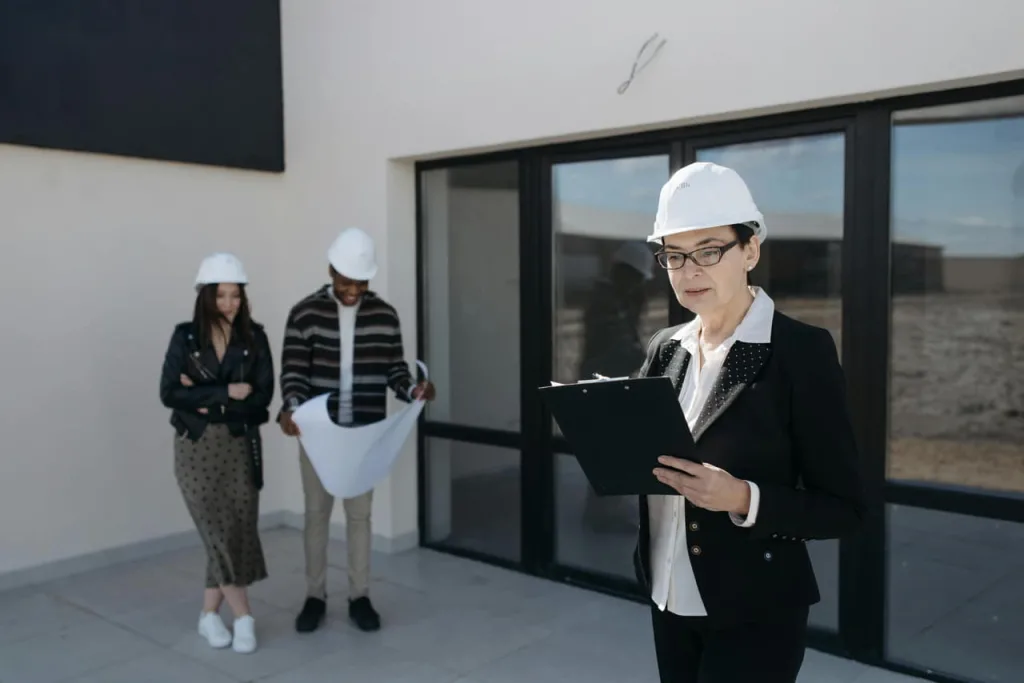
Managing a property—whether it’s your primary home, a rental, or an investment—doesn’t have to mean constant stress or expensive overhauls. In fact, some of the most effective maintenance strategies are surprisingly simple and budget-friendly. With the right approach, you can protect your property’s value, improve day-to-day comfort, and avoid costly repairs down the line. These eight practical tips will help you stay ahead of upkeep while keeping both effort and expenses manageable.
1. Stay Consistent With Routine Inspections
One of the easiest ways to prevent major issues is to catch small ones early. Setting aside time once a month or once a quarter to walk through your property can make a huge difference. Look for signs of wear and tear—leaky faucets, cracks in walls, loose railings, or unusual noises from appliances. These quick check-ins don’t require professional expertise. Instead, they give you a chance to notice changes before they escalate. A minor plumbing drip, for example, can be fixed cheaply today but could turn into water damage tomorrow if ignored. Consistency is what keeps small fixes from becoming big financial headaches.
2. Prioritize Preventative Maintenance
Preventative care is almost always more affordable than reactive repairs. This means taking steps to maintain systems even when they appear to be working fine. Replace HVAC filters regularly, flush your water heater annually, and clean gutters before debris buildup causes drainage issues. It’s easy to put off these tasks because they don’t feel urgent—but their impact adds up over time. Maintaining your property’s essential systems increases efficiency, extends lifespan, and minimizes the likelihood of unexpected breakdowns. Think of it as giving your home a tune-up instead of waiting for a breakdown.
3. Simplify Landscaping for Long-Term Savings
Outdoor spaces can enhance property appeal, but they can also become high-maintenance and expensive if not planned thoughtfully. Choosing low-maintenance landscaping is one of the smartest ways to reduce ongoing upkeep costs. Opt for native plants that thrive in your local climate, use mulch to retain moisture and reduce weeds, and consider drought-resistant options to cut down on water usage. Some homeowners are even exploring alternatives like artificial turf, which provides a clean, green look year-round with minimal maintenance—in communities or developments where something like Celebrity Greens installations are used, the long-term savings in water and lawn care can be significant. A well-designed yard shouldn’t feel like a burden. With a few strategic choices, it can become a low-effort, high-impact feature of your property.
4. Keep Interiors Clean and Clutter-Free
While it might not seem like “property management” in the traditional sense, regular cleaning plays a big role in maintaining your space. Dust buildup, moisture in bathrooms, and hidden clutter can all contribute to long-term damage if left unchecked. For example, ignoring humidity can lead to mold growth, while cluttered storage areas can make it harder to spot pests or structural issues. Keeping your space tidy also makes inspections easier—you can quickly identify anything out of place because nothing is hidden. A clean property isn’t just about aesthetics; it’s about preserving the condition of everything inside it.
5. Address Repairs Immediately (Even the Small Ones)
It’s tempting to delay minor repairs, especially when they seem insignificant. But small issues rarely stay small. A loose tile, a squeaky door hinge, or a tiny crack in a window seal can quickly evolve into something more serious if left unattended. By addressing problems as soon as they arise, you’re not just fixing them—you’re preventing a chain reaction of damage. This approach also spreads out expenses over time, making them easier to manage instead of facing a large, unexpected bill all at once. A good rule of thumb: if you notice it, fix it. Quick action is one of the most cost-effective habits you can develop.
6. Create a Simple Maintenance Schedule
Keeping track of everything your property needs can feel overwhelming, which is why a basic maintenance schedule can be incredibly helpful. You don’t need anything complicated—just a checklist of recurring tasks organized by season or month. For example, spring might include checking the roof and cleaning gutters, while fall could focus on sealing windows and preparing heating systems. Having a clear schedule ensures nothing important slips through the cracks. Even better, it takes the guesswork out of property management. Instead of wondering what needs attention, you’ll already have a plan in place, making upkeep feel much more manageable.
7. Build a Reliable Network of Professionals
While many maintenance tasks can be handled independently, there will always be situations that require professional expertise. Having a trusted list of contractors—plumbers, electricians, general handymen—can save both time and stress when issues arise. The key is to build this network before you urgently need it. Take the time to research local professionals, read reviews, and get recommendations. Once you find reliable service providers, keep their contact information handy. This preparation ensures that when something does go wrong, you’re not scrambling to find help at the last minute. Instead, you can respond quickly and confidently, often minimizing both damage and cost.
8. Think Long-Term With Small Upgrades
Not all improvements need to be large-scale renovations. In fact, some of the most effective upgrades are small, affordable changes that improve efficiency and durability over time. Installing energy-efficient lighting, upgrading weather stripping, or adding programmable thermostats can all reduce utility costs while enhancing comfort. Similarly, investing in durable materials—like moisture-resistant flooring in high-traffic areas—can prevent future repairs. These incremental upgrades add up, gradually strengthening your property without requiring a major financial commitment all at once. The goal isn’t perfection; it’s progress. Each small improvement contributes to a more resilient, valuable property.
Conclusion
Property management and upkeep don’t have to be complicated or expensive to be effective. By focusing on consistency, prevention, and thoughtful decision-making, you can maintain your property in a way that feels both manageable and sustainable. From routine inspections and quick repairs to smart landscaping and long-term upgrades, these simple strategies help you stay in control without stretching your budget. Over time, they create a ripple effect—protecting your investment, reducing stress, and making your space more enjoyable to live in or manage. When you approach property upkeep with intention and consistency, it stops feeling like a chore and starts becoming a smart, empowering part of everyday life.