
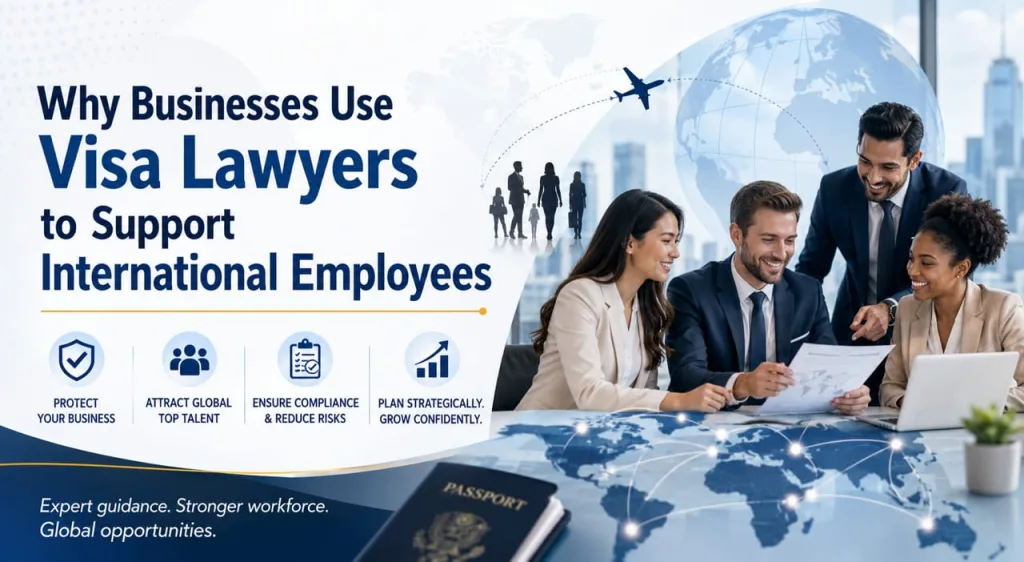
In today’s interconnected economy, businesses regularly tap into global talent pools to stay competitive and innovative. Yet bringing skilled professionals from other countries into your workforce isn’t as simple as extending a job offer. The immigration process involves layers of regulations, strict documentation requirements, and constantly shifting policies that can make even experienced HR teams feel overwhelmed. When your company decides to sponsor international employees, you’re taking on responsibilities that extend far beyond standard hiring procedures. That’s why so many organizations, from tech startups to established corporations, choose to work with specialized immigration attorneys who can guide them through this challenging terrain while keeping everything compliant and on track.
The Complexity of Immigration Regulations
Immigration law ranks among the most challenging legal specialties, filled with nuances that can trip up even the most diligent professionals. Your company faces dozens of visa categories, each with its own set of rules, timelines, and paperwork demands that require careful attention. Applications move through multiple federal agencies, United States Citizenship and Immigration Services, the Department of Labor, and the Department of State, and each one operates under different procedures and schedules. Without specialized expertise, how can your HR department confidently determine whether an employee needs an H, 1B, L-1, or O-1 visa? Immigration attorneys stay current on regulatory updates, policy shifts, and administrative changes that happen with surprising frequency.
Risk Mitigation and Compliance Protection
Sponsoring international workers without proper legal guidance opens your business to serious risks that go well beyond inconvenience. Financial penalties for compliance violations can reach into the thousands of dollars per incident, and willful violations can even trigger criminal liability in extreme cases. The compliance obligations don’t end once an employee receives their visa, either. Your organization needs to monitor work authorization expiration dates, file timely extension requests, and make sure employees only work in the specific roles and locations listed in their approved petitions.
Strategic Planning for Workforce Development
Smart immigration support isn’t just about filling out forms when you need to hire someone right now. Visa attorneys help your business develop forward, thinking immigration strategies that sync with your growth plans, hiring timelines, and long-term talent goals. They’ll help you understand processing timelines for different visa types, work around annual caps on certain categories, and identify potential green card pathways for employees you want to retain permanently. With their guidance, you can time applications to minimize business disruptions, batch multiple petitions for efficiency, and explore backup options when your first-choice visa category hits obstacles.
Expertise in Specialized Visa Categories
Different roles and industries rely on different visa types, and each one comes with its own rulebook of qualification standards and evidentiary demands. Your software company might need to prove that programmers possess specialized knowledge and advanced degrees, while your multinational corporation could rely on executive transfer provisions for senior managers. Professional visa categories often require extensive supporting materials, detailed letters explaining complex job duties, credentials evaluations, expert opinion letters, and documentation of extraordinary achievements or specialized expertise. When navigating temporary work authorization processes, businesses often consult with a Miami non-immigrant visa lawyer to ensure proper category selection and documentation. Experienced visa lawyers understand how to frame job descriptions in ways that satisfy technical requirements while accurately reflecting the actual position. They know which evidence carries the most weight with adjudicators and how to address potential concerns before they turn into formal requests for evidence or denials. Their familiarity with agency trends, regional processing variations, and industry-specific issues means they can craft applications that stand the strongest chance of approval, even in challenging cases.
Navigating Changes in Immigration Policy
Immigration policy doesn’t stand still, it shifts through executive orders, regulatory updates, new agency guidance, and court decisions that can reshape the landscape practically overnight. Your business needs current, accurate information about these changes, especially when they might affect pending applications or current employees. What happens when processing times suddenly double, or when a visa category faces heightened scrutiny? Visa lawyers monitor developments constantly, interpreting how new policies apply to your specific circumstances and advising on the best path forward. They help your organization adapt when policies change unexpectedly, whether that means adjusting documentation strategies, exploring alternative visa options, or timing applications to avoid unfavorable conditions.
Cost-Effectiveness and Efficiency
Sure, hiring an immigration lawyer represents an upfront investment, but that cost typically pales in comparison to what you’d spend dealing with denied applications, extended delays, and compliance violations. Think about the hidden expenses when your internal team spends weeks researching requirements and preparing applications without specialized training or efficient systems. Immigration lawyers complete applications faster and more accurately because they handle these cases every day, not just occasionally when a new hire comes along. They’ve developed relationships with government agencies, understand the quirks of different service centers, and know how to navigate bureaucratic challenges that would stall less experienced practitioners.
Conclusion
Supporting international employees involves far more than paperwork, it requires deep regulatory knowledge, strategic foresight, and ongoing attention to compliance matters that most businesses can’t effectively manage in-house. Immigration lawyers bring expertise that protects your organization from legal exposure while dramatically improving your chances of success with visa applications. Their guidance helps you build a diverse, highly skilled workforce that draws on global talent rather than limiting yourself to domestic candidates. When you partner with experienced immigration counsel, you’re showing international employees that you’re committed to supporting them through every stage of their journey, from initial work authorization through potential permanent residence.