
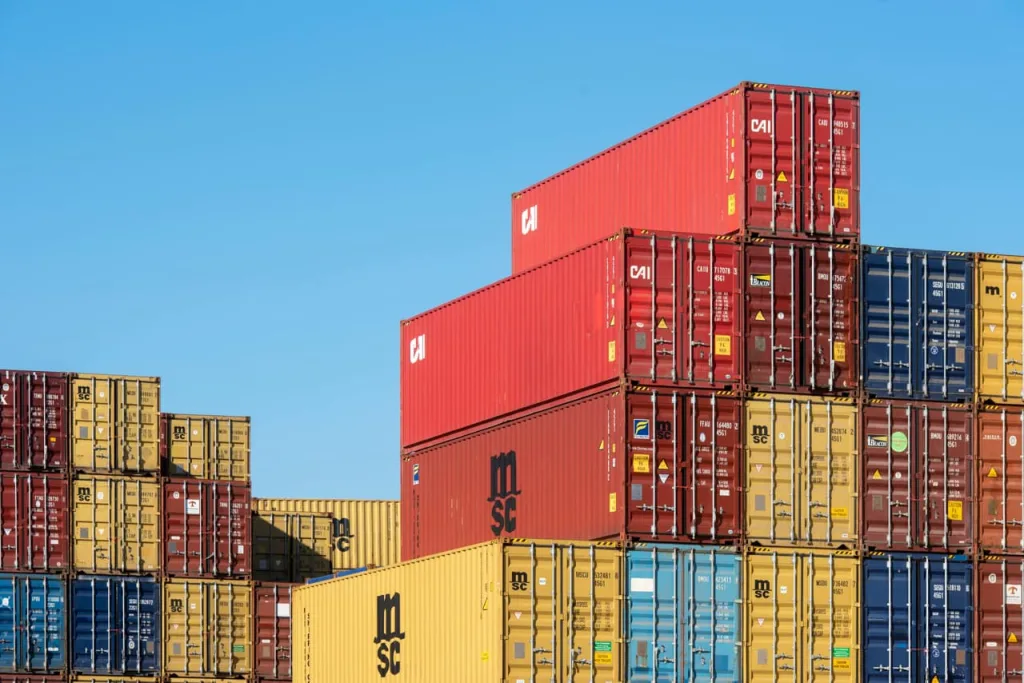
Global supply chains have become the backbone of modern economies, connecting raw materials, manufacturers, distributors, and consumers across continents. This interconnected system has enabled efficiency and growth at an unprecedented scale, but it has also introduced complexities and vulnerabilities that are increasingly difficult to manage. While globalization has expanded access and lowered costs, it has also exposed industries to disruption from events that can cascade rapidly across the network. From geopolitical tensions to environmental challenges, the fragility of the global grid has become a defining concern for businesses and governments alike.
Interconnected Systems and Hidden Vulnerabilities
Modern supply chains operate as highly synchronized systems where even minor disruptions can ripple across multiple industries. A delay in one component can halt production in another region entirely, creating a domino effect that is difficult to predict or control. The reliance on just-in-time manufacturing has amplified these risks, as companies maintain minimal inventory to reduce costs.
While this model improves efficiency, it leaves little room for error. A single factory shutdown or transportation delay can lead to widespread shortages. The complexity of these networks often obscures critical dependencies, making it challenging for organizations to anticipate where weaknesses lie. As a result, what appears to be a localized issue can quickly escalate into a global disruption.
The Impact of Geopolitical and Environmental Factors
Global supply chains are deeply influenced by political decisions and environmental conditions. Trade policies, tariffs, and diplomatic tensions can alter the flow of goods overnight, forcing companies to scramble for alternatives. These factors are not always predictable, which adds another layer of uncertainty.
Environmental challenges also play a significant role. Extreme weather events, rising sea levels, and natural disasters can disrupt transportation routes and production facilities. Ports, which serve as critical nodes in the global grid, are particularly vulnerable to these pressures. When key logistics hubs experience delays or closures, the effects are felt across industries that rely on timely deliveries.
The increasing frequency of these disruptions underscores the need for more resilient systems. Companies must now consider not only efficiency but also adaptability in their strategic planning.
Technology as Both a Solution and a Risk
Advancements in technology have transformed supply chain management, providing tools that enhance visibility and coordination. Real-time tracking, predictive analytics, and automation allow companies to respond more quickly to changes and optimize operations. These innovations can help identify potential disruptions before they escalate, giving decision makers an opportunity to act proactively.
However, the reliance on digital systems introduces its own risks. Cybersecurity threats have become a significant concern, as attacks on logistics platforms or infrastructure can disrupt entire supply networks. A breach in one part of the system can compromise data integrity and operational continuity, leading to financial and reputational damage.
Balancing the benefits of technology with the need for security is essential. Organizations must invest in robust systems that not only improve efficiency but also safeguard against evolving threats.
Industry Specific Sensitivities Within the Supply Chain
Different sectors experience supply chain fragility in unique ways. Aviation, for example, operates under strict regulatory and safety requirements that make disruptions particularly challenging. The availability of specialized components and materials is critical to maintaining operations and ensuring compliance with industry standards.
In this context, even niche products can become essential links in a larger chain. Maintenance routines, such as ensuring fuel quality and preventing contamination, rely on various inputs that must be consistently available. Products like Biobor aviation fuel cleaning additive illustrate how specialized materials fit into broader supply networks, supporting operational integrity while also depending on reliable distribution channels.
When such components face delays or shortages, the impact can extend beyond individual operators to affect entire fleets and travel schedules. This highlights the importance of understanding not just large scale logistics but also the smaller, specialized elements that contribute to system stability.
Building Resilient and Adaptive Supply Networks
To address the fragility of global supply chains, organizations are shifting their focus toward resilience and adaptability. This involves diversifying suppliers, increasing inventory buffers for critical components, and investing in regional production capabilities. While these measures may increase costs in the short term, they provide a safeguard against long term disruptions.
Collaboration also plays a key role in strengthening supply networks. Companies are forming strategic partnerships to share information and resources, improving their collective ability to respond to challenges. Transparency within the supply chain allows for better risk assessment and more effective decision making.
Additionally, scenario planning has become an essential tool. By modeling potential disruptions and their impact, organizations can develop contingency plans that enable faster recovery. This proactive approach helps mitigate the effects of unforeseen events and ensures continuity in an increasingly uncertain environment.
Conclusion
The global grid that supports modern supply chains is both a remarkable achievement and a source of significant risk. Its complexity and interconnectedness have created opportunities for growth, but they have also introduced vulnerabilities that cannot be ignored. As disruptions become more frequent and varied, the need for resilient strategies is more pressing than ever.
Organizations that recognize these challenges and adapt accordingly will be better positioned to navigate the uncertainties of the global marketplace. By balancing efficiency with flexibility, investing in secure technologies, and understanding the intricate dynamics of their supply networks, they can transform fragility into strength.