
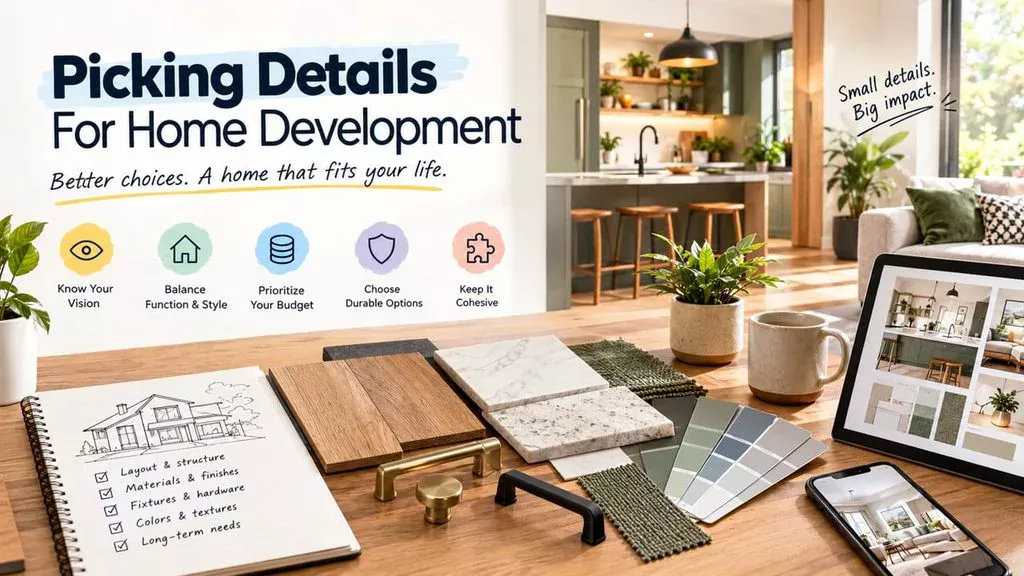
Building or renovating a home involves thousands of decisions, and the details you select can transform a basic structure into a space that truly reflects your vision and meets your lifestyle needs. Many homeowners focus primarily on major elements like layout and materials but overlook how smaller choices create the foundation for comfort, functionality, and aesthetic appeal. Understanding how to evaluate and choose these details systematically can prevent costly mistakes and ensure your home development project aligns with both your budget and long-term satisfaction. This guide walks you through the key considerations for selecting details that matter most.
Understanding Your Project Scope and Vision
Before you begin selecting specific details, clarify the overall scope of your home development project and establish a clear vision for the final result. Ask yourself whether you are building from the ground up, completing a major renovation, or making targeted improvements to specific areas. Your answer shapes which details deserve priority and how much flexibility you have in your choices. A new construction project offers more freedom to integrate details seamlessly, while renovation work often requires balancing existing structures with your design preferences.
Documenting your vision through images, sketches, and written descriptions helps you stay focused and communicate your preferences to contractors and designers. Collect inspiration from home design magazines, websites, and properties similar to what you envision for yourself. Pay attention to both the big picture, such as architectural style, and smaller elements, such as trim styles or hardware finishes. This visual reference library becomes invaluable when making trade-offs between options or explaining your preferences to team members who are helping with your project.
Evaluating Functionality Against Aesthetics
Selecting details requires balancing how things look with how well they actually work for your household. A stunning kitchen backsplash might seem perfect visually, but if it is difficult to clean or does not coordinate well with your cooking workflow, it can become frustrating over time. Similarly, beautiful flooring that does not hold up under high foot traffic or is slippery when wet creates both safety concerns and maintenance headaches. Take time to consider how each detail will perform in real daily use, not just how it appears in a photograph.
Test details whenever possible before making final decisions. If you are selecting cabinet hardware, hold different styles in your hand to see how they feel. Walk on samples of flooring material in various lighting conditions to assess both appearance and safety. For paint colors, apply samples to walls and observe them throughout the day as natural and artificial light changes. This hands-on approach prevents the disappointment of discovering after installation that a detail does not meet your actual needs or preferences in your specific home environment.
Prioritizing Details by Impact and Budget
Not all details have equal importance to your home’s overall success or your satisfaction with the project. Create a tiered list of details based on their visual impact, how frequently you interact with them, and their durability requirements. Details that are visible daily and used constantly, such as kitchen countertops or bedroom lighting fixtures, deserve more careful consideration and higher budget allocation than elements you rarely interact with directly. This prioritization approach helps you invest your resources where they make the most meaningful difference.
Establish a realistic budget for details and identify which items allow flexibility and which represent non-negotiable investments for your household. Developers and property managers sourcing surfaces for multiple units rely on quality multifamily countertops to meet both durability standards and budget requirements across their properties. For example, if you spend significant time in your home office, selecting high-quality task lighting and ergonomic desk components justifies a larger expense than decorative elements in a guest room. Conversely, details that are easy and inexpensive to change later, such as cabinet hardware or light fixture styles, can represent lower-priority decisions where you might choose more affordable options initially. This strategic approach prevents overspending on low-impact details while ensuring you allocate sufficient resources to elements that genuinely matter to your daily experience.
Considering Long-Term Durability and Maintenance
Details that require extensive maintenance or deteriorate quickly can become burdensome despite their initial appeal or apparent cost savings. Natural materials such as certain wood finishes or stone require regular upkeep to preserve their appearance, while engineered alternatives may offer greater durability with lower maintenance demands. Understanding the maintenance requirements of each detail you select helps you make informed choices that align with your willingness and ability to care for your home over time. Some homeowners enthusiastically embrace regular maintenance routines, while others prefer low-maintenance solutions that free up time for other priorities.
Research durability ratings, manufacturer recommendations, and real-world performance data for details you are seriously considering. Ask contractors and designers about their experience with specific products or materials in your climate and geographic region. Local conditions such as humidity, temperature fluctuations, and seasonal weather patterns affect how different materials and finishes hold up over years of use. By learning from others’ experiences and understanding maintenance requirements upfront, you can select details that will maintain their appeal and function reliably throughout the years you own your home.
Coordinating Details With Overall Design Intent
Individual details should work together as a cohesive whole rather than as isolated choices that conflict with one another. Consider how finishes, colors, textures, and styles create relationships across your home’s different spaces. A modern kitchen design calls for different hardware, flooring, and lighting details than a farmhouse or traditional aesthetic, and mixing styles without intentional coordination often results in a disjointed appearance. Successful homes show thoughtful consideration for how each detail supports and reinforces the overall design direction.
Create a design board or digital mood board that shows how your selected details work together in context. This visual representation helps you spot potential conflicts before you purchase materials or commit to installations. For example, you might discover that a paint color you loved in isolation clashes with your flooring choice or cabinet style when you see them together. A cohesive approach does not mean everything must match perfectly, but rather that your selections show intentional relationships that create visual harmony throughout your home. This coordination transforms your home development project from a collection of individual choices into a unified, thoughtfully designed living space.
Conclusion
Picking details for home development requires balancing vision with practical considerations, aesthetics with functionality, and immediate preferences with long-term satisfaction. By clarifying your project scope, evaluating how details perform in real life, prioritizing your budget strategically, understanding maintenance demands, and ensuring your selections work together harmoniously, you create a framework for making choices that you will appreciate for years to come. Taking time to thoughtfully select details rather than rushing through decisions with a limited perspective pays dividends in both the quality of your finished home and your satisfaction as you live in the spaces you have created. The details you choose today shape how your home functions and feels every single day, making these decisions worthy of the careful attention you invest in them.



When documenting a home development project, I reuse site photos through Img2Img AI instead of scheduling another shoot for every lighting or material option. Upload the base frame, describe the change, and keep composition while exploring finishes for clients. A practical image to image ai step in the browser: https://imgtoimg-ai.com/