
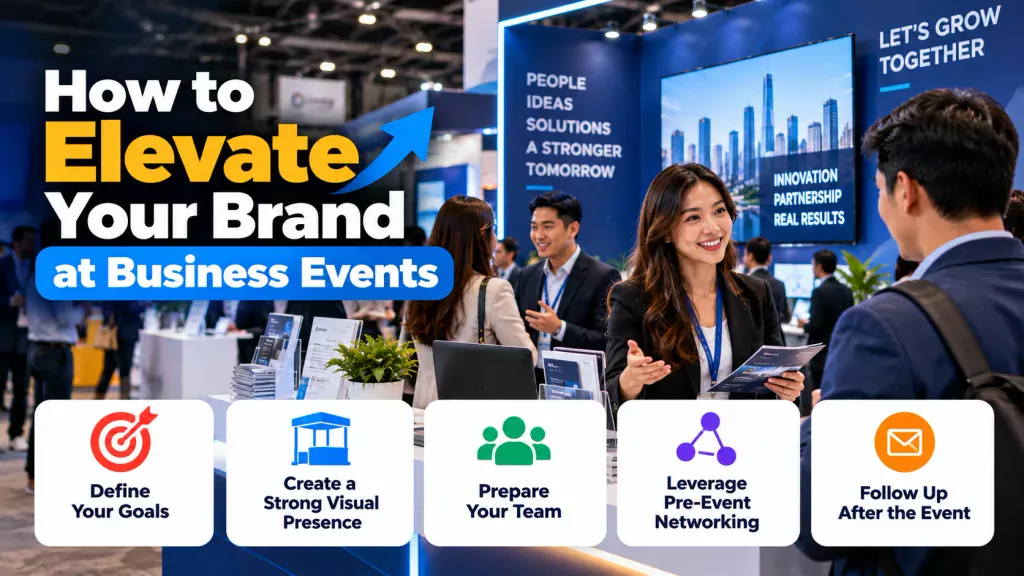
What makes one company’s presence at an industry conference memorable while another disappears into the crowd? The difference often comes down to intentional strategy and preparation. Business events offer rare opportunities to connect with potential clients, partners, and industry leaders in a setting designed for meaningful conversation. Yet many organizations approach these occasions without a clear plan for standing out or reinforcing their brand identity. The way you present yourself at these gatherings can significantly influence how your company is perceived long after the event concludes.
1. Define Your Event Goals Before You Attend
Before registering for any business event, take time to identify what success looks like for your organization. Are you seeking new client leads, exploring partnership opportunities, or establishing thought leadership in your industry? Clear objectives shape every decision you make at the event, from which sessions to attend to how you engage with other attendees. Without defined goals, your team may scatter their efforts or miss valuable networking moments due to lack of focus.
Consider breaking your goals into specific, measurable outcomes. Rather than “generate leads,” aim for “connect with fifteen qualified prospects in the software development sector” or “schedule five follow-up meetings with potential collaborators.” This specificity keeps your team aligned and gives you concrete metrics to evaluate event performance afterward. Your goals should tie directly to your company’s broader marketing and sales priorities so that everyone can make decisions that support the same mission throughout the event.
2. Craft a Compelling Visual Brand Presence
Your booth, signage, and promotional materials communicate your brand message before you speak a single word. Invest in high-quality design that reflects your company’s values and stands out visually from competitors, using consistent colors, clear typography, and imagery that instantly conveys what your company does. A cluttered or poorly designed booth signals inattention to detail, while a polished visual presence projects professionalism and credibility. For exhibitors focused on sourcing professional-grade trade show displays and booth materials, MODdisplays offers a wide range of modular solutions that help brands create a cohesive, high-impact presence on the event floor.
Display materials should emphasize benefits rather than simply listing features or services. If you offer project management software, for example, your signage might highlight “Save your team eight hours per week” rather than naming product capabilities alone. Use minimal text with large, readable fonts so attendees grasp your message quickly as they walk past. Interactive elements such as a working demo, a tablet where visitors can explore your offerings, or a simple activity that draws people in create memorable experiences that extend beyond static displays.
3. Prepare Your Team with Clear Messaging and Training
Your team members serve as brand ambassadors at every business event, and their knowledge and demeanor directly influence how prospects perceive your company. Before the event, conduct training sessions where team members practice elevator pitches, learn key talking points, and understand how to qualify leads effectively. Everyone should be able to explain what your company does, who you serve, and what problems you solve in language that resonates with your audience. Consistency matters because attendees who speak with multiple representatives should hear aligned messaging throughout.
Beyond messaging, prepare your team for the interpersonal dynamics of events. Discuss strategies for initiating conversations, recognizing when someone may not be a good fit for your services, and moving conversations forward when appropriate. Role-playing exercises help team members feel more confident and reduce anxiety about networking. Assign specific roles or zones at your booth, and establish a system for capturing lead information and following up afterward.
4. Leverage Pre-Event Networking to Maximize Impact
The work you do before an event often determines the quality of connections you make during it. Reach out to existing contacts who will be attending and schedule time to reconnect face to face. Review the attendee list if available, identify key individuals you want to meet, and send them a brief, personalized message expressing your interest in connecting. This approach transforms the event from a broad networking experience into a series of focused conversations with people who already have context for why you wanted to meet.
Social media provides another effective pre-event tool. Follow event hashtags, engage with posts from other attendees, and comment thoughtfully on content shared by speakers or exhibitors. Post your own content confirming your attendance and sharing what you are anticipating at the event. These actions create familiarity before the event begins, making in-person introductions feel more natural and increasing the likelihood of substantive conversations.
5. Create a Post-Event Strategy That Strengthens Relationships
How you follow up after an event often matters more than what happens during it. Within forty-eight hours of meeting someone, send a personalized message referencing something specific from your conversation, such as a challenge they mentioned or an idea you discussed together. Generic follow-up messages are frequently overlooked, but personalized outreach demonstrates genuine interest and helps a relationship progress beyond a transactional introduction. Include a clear next step, whether that is a phone call, a product demo, or a relevant resource.
Organize your follow-up efforts with a system that tracks which leads have been contacted, what stage they are in, and what action comes next. Some prospects need information, others need a demonstration, and others may benefit from an introduction to a different department in your organization. Staying organized ensures no promising connections are lost due to poor internal communication. Share insights from the event with your broader team so that opportunities and knowledge benefit the entire organization.
Conclusion
Elevating your brand at business events requires intention, preparation, and follow-through. By clearly defining your goals, creating a strong visual presence, equipping your team with effective messaging, building relationships before the event, and implementing a systematic follow-up process, you transform these occasions into meaningful growth opportunities. Every interaction contributes to how your brand is perceived and remembered within your industry. When you approach business events as strategic initiatives rather than routine attendance obligations, your brand benefits in the form of new relationships, expanded opportunities, and strengthened market positioning.