
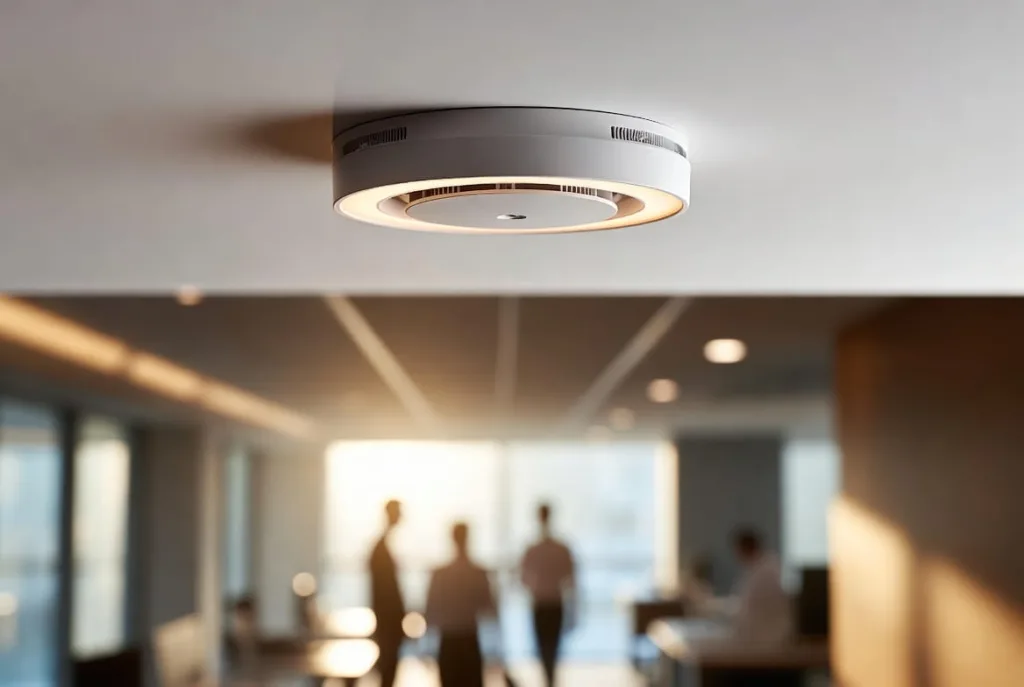
What actually stands between a building full of people and a catastrophic fire? Detection. Full stop. Fire detection systems catch threats before a small ignition spirals into an uncontrollable blaze — shielding lives, property, and everything inside. Speed is brutal here. Two minutes versus ten. Those eight minutes are the difference between an orderly evacuation and a body count. Early warning hands occupants time to reach exits while routes are still passable, and gives responders a genuine foothold before flames tear through walls. Sensors have advanced dramatically too — identifying combustion signatures well before visible fire or heavy smoke materialize. Understanding how these systems work lets owners, managers, and residents make sharper, better-informed safety decisions.
How Early Detection Saves Lives
The window between ignition and dangerous spread is brutally short. Many residential fires hit 1,000 degrees Fahrenheit within five to ten minutes. That’s almost no runway. Immediate detection gives occupants maximum time — routes still clear, air still breathable. Early alerts also cut through the disorientation dense smoke causes. Panic and confusion kill people who might otherwise walk out alive. In commercial buildings, detection can trigger suppression automatically, stopping fire before it jumps to adjacent rooms or climbs to upper floors. There’s a psychological dimension too — confirmed early detection keeps evacuations calmer. Uncertainty is its own hazard. People freeze when they don’t know what’s happening.
Detection Technology and System Options
Different fires behave differently. Detection systems have evolved to match. Ionization detectors are tuned for fast-flaming fires — the kind that race through dry material — sensing ions produced by active combustion. Photoelectric detectors take the opposite strength: they catch slow smoldering fires, like those starting inside upholstered furniture or electrical components, where heavy smoke builds long before any flame appears. Heat detectors round out the picture, responding to temperature spikes rather than smoke — useful where combustion-based sensing might lag. Most modern networks layer all three types together. No fire characteristic slips through unnoticed.
For residential and commercial properties where monitoring both combustion and toxic gas threats simultaneously matters, a smart smoke and carbon monoxide detector provides integrated sensing that triggers alerts at the earliest signs of danger. These systems now plug directly into building management platforms — pushing real-time alerts to emergency contacts, activating suppression, tripping ventilation controls. Automatically. No waiting for someone to notice. Networked detection also delivers centralized diagnostic data, which simplifies maintenance and keeps every component accountable over time.
Property Protection and Insurance Considerations
Life safety is the headline. But the financial case is equally hard to ignore. Fast detection means damage — one room, one zone, not an entire floor reduced to ash. The building’s structural integrity survives. Insurance companies understand this math well. Certified detection systems routinely earn premium discounts, especially in commercial and multi-unit residential properties. Installation costs? Typically a fraction of what a single major fire incident costs in losses and reconstruction. Properties without adequate detection pay higher premiums — and sometimes can’t get coverage at all for certain occupancy types. Early detection also shrinks secondary water damage; firefighters can target the origin point precisely rather than drenching whole sections of the building.
Maintenance and Reliability of Detection Systems
Installation is step one. Not the finish line. Dust blocks sensors. Batteries deplete. Wiring comes loose. Any of these can silence a detector at exactly the wrong moment. Regular inspections catch failures before they become fatal gaps. Building codes require periodic testing by trained technicians who verify alarm volumes and confirm every connected device responds correctly. Many newer systems run continuous self-diagnostics, flagging issues to managers before reliability erodes. At home, occupants should swap batteries at least twice a year and vacuum detector surfaces — dust buildup smothers sensor function quietly and completely. Commercial properties get the strongest protection from professional monitoring services. Round-the-clock. Automatic dispatch. Even when nobody inside can make the call.
Regulatory Requirements and Compliance
Detection requirements aren’t one-size-fits-all. They shift based on building type, occupancy classification, and local fire codes. Residential buildings generally need detectors in bedrooms, hallways, and shared areas — enough coverage to catch a fire wherever it starts and alert everyone inside. Commercial facilities, industrial sites, and institutional properties face more extensive requirements, with detection networks that must satisfy standards set by fire safety authorities. Life safety codes typically demand full interconnection. One triggered detector sets off alarms across the entire building. Every floor. Every zone. Properties undergoing renovation or changing occupancy use often must upgrade systems to current standards — older installations may lack the coverage or alert capabilities modern codes require. Understanding applicable regulations helps owners build genuinely protective systems, not just minimally compliant ones.
Conclusion
Early fire detection isn’t an optional add-on. It’s fundamental. Decades of fire behavior research and emergency response data point to the same conclusion: faster detection produces better outcomes. Full stop. Understanding available technologies, maintaining systems diligently, and staying current with regulatory requirements — these aren’t bureaucratic exercises. They’re how property owners ensure their spaces carry real protective advantages. Quality detection systems, properly supported, signal a genuine commitment to keeping people safe and buildings intact. Residential, commercial, industrial — doesn’t matter. The speed at which a fire gets detected shapes everything that follows.