
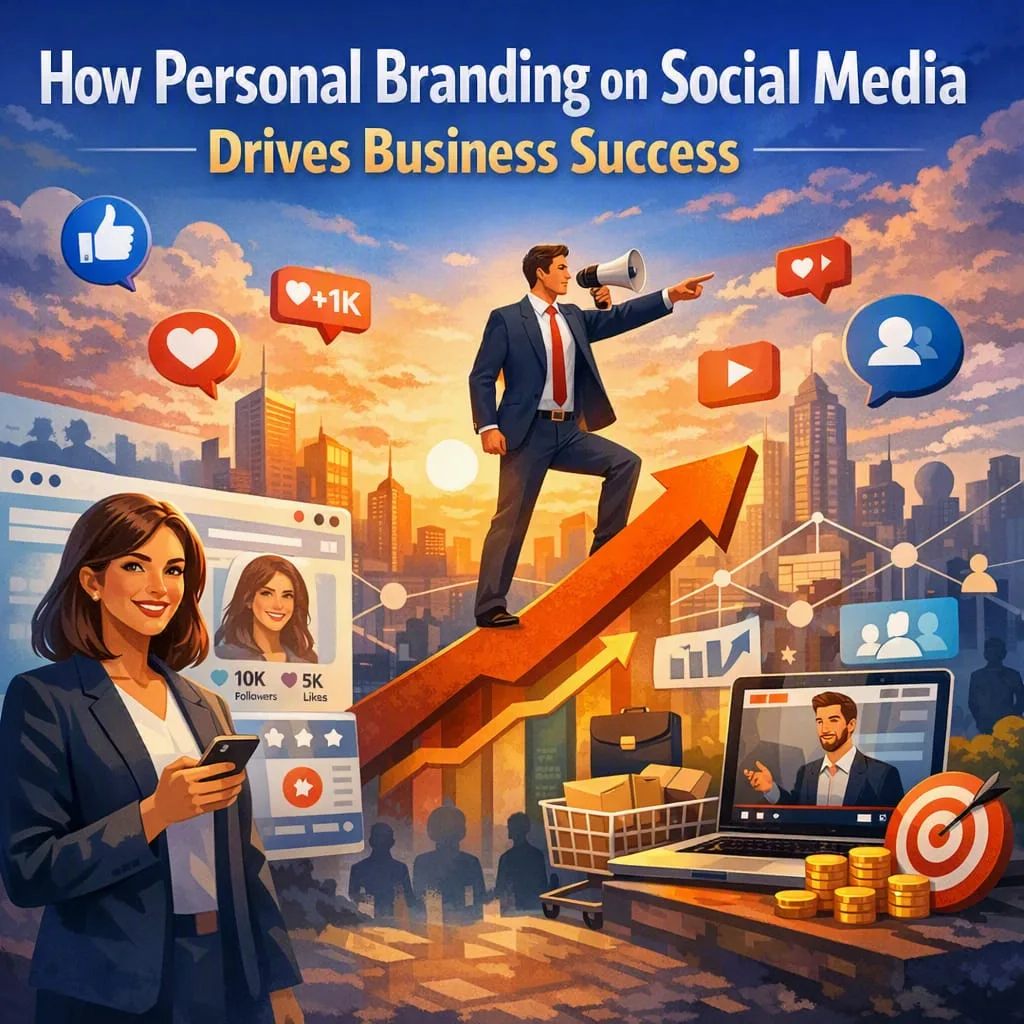
With consumers spending hundreds of minutes each day consuming content, and businesses and entrepreneurs becoming more and more varied in their funding, the one thing that is common amongst them is they all have a unique, recognisable, consistent personal brand. Now that getting a name recognized on social media has become a major component of a business strategy, it helps customers determine trustworthiness, expertise and commonality before any sale occurs.
Viola’s address was an example of the change from corporate voice to personal connection.
Traditional marketing involved straightforward, firm, and corporate language, which talked TO people, not to them. Today’s consumers – particularly their younger counterparts – are much more emotionally engaged by a person rather than a brand than anything else. Viewing their experiences, histories and triumphs in real time makes a follower feel like they are experiencing this as they are captured, instead of being a sales funnel. This relationship-based investment directly equates to loyalty, referrals and business.
Social media, from platforms such as Instagram, LinkedIn, to TikTok has successfully supplanted the physical storefront as a new space of ways to create reputation piece-by-piece. When you create a personal brand, you are effectively demonstrating your competency, and consistency – two values that customers visually associate with reliability.
When your visibility grows, your trustability grows and so do your revenues.
There’s one thing about personal branding that few people talk about and that’s visibility. When somebody posts personal, pertinent, rewarding posts regularly, his visitors start connecting him with the authority in his niche. The visibility builds up over time. Most people begin to mention them in their discussions, share their posts and recommend them to others that might require their service or products.
That’s where the audience research and social listening comes in. Savvy creators and marketers are studying what has become popular and what is resonating with their niche, as well as any hit made by peers and other creators. For example, if your brand is centered around videos, you could watch the trend on a tiktok story, find what kinds of videos are gaining traction at that time and then make videos that speak in your brand’s personality rather than copying them for the sake of it. When a brand builder creates content that feels ‘here and now’ and ‘must see now’ it taps into that platform.When a brand builder designs content that feels ‘here and now’ and ‘must see now’ it taps into that platform.
Be consistent across formats and tools.
Effective personal brands don’t depend on any one type of format. They combine long posts with short video snippets behind-the scenes looks and interactive elements such as polls, question and answer. While maintaining the same message and values in each interaction, this type will keep the audience on the hook.
What is fascinating about this, though, is that some creators invest in specific platforms that act almost like a story viewer hub and provide them with data related to audience engagement, re-engaging their members, and learning their behavior at various accounts or niches all within a single location. Focusing on a “snap story viewer” philosophy – one where all analytics and feedback is gathered together – helps brand builders make decisions based on data rather than what they think is working. Such coordinated oversight makes social media more than a collection of 2-D posts and makes it a real business intelligence tool.
How to transform Followers into Customers
The true worth of a personal brand is in action. This is not done without planning! It needs calls to action, a regular posting time schedule, and content which seamlessly prompts the user to engage in a further action like using your website, subscribing to a newsletter or buying your product.
The companies that are successful here know that personal branding has nothing to do with the number of followers counted. It’s about creating a community where the person behind the brand has their consumer’s confidence, and they are purchasing their product based on that. But when there’s a strong personal brand, the sales cycle is shortened because trust has already been built prior to the pitch.
Effective management of authenticity as a competitive advantage.
One of the most crucial factors of personal branding success is authenticity. Consumers are very perceptive when a topic doesn’t seem like it’s your initiative or is simply being peddled. The creators and entrepreneurs that keep rising up to the top are the ones who’re ready to reveal girliness, talk about tales of failure with the viewers, and even truly reply to feedback and messages, instead of merely counting how many followers they have.
This authenticity forms a moat which is hard to emulate. Content strategies and posting plans are things that can be copied by everyone, but only one person can copy another person’s authentic voice, past, and local connection.
Long-Term Brand Equity
Personal Branding takes time. As time passes, after months and years of valuable content, you’ll begin to build brand equity by building a loyal following and keeping them engaged, which will help improve the health of your business in tough times, whether you’re fighting algorithm adjustments, market changes or anything else. Situations put consumers in the driver’s seat can undermine a business that is depending on paid advertising or a recent fad – but not when they believe the business in question is being led by someone they trust.
Conclusion
The interaction between businesses and their customers is transformed forever to the extent of personalised branding done through social networking.To an extent, personal branding on social networks has irrevocably changed the way relationship between business and their customers interact. When entrepreneurs and businesses truly leverage social presence, they can move from a one-time presence on social networks to a strong, long-term business approach by placing a focus on authenticity, emerging trends on platforms, curating insights the way a story-viewer hub might, and always bringing value to the conversation. Our best marketing asset in an attention and trust based culture is the human being behind the company and their product—don’t forget that.