
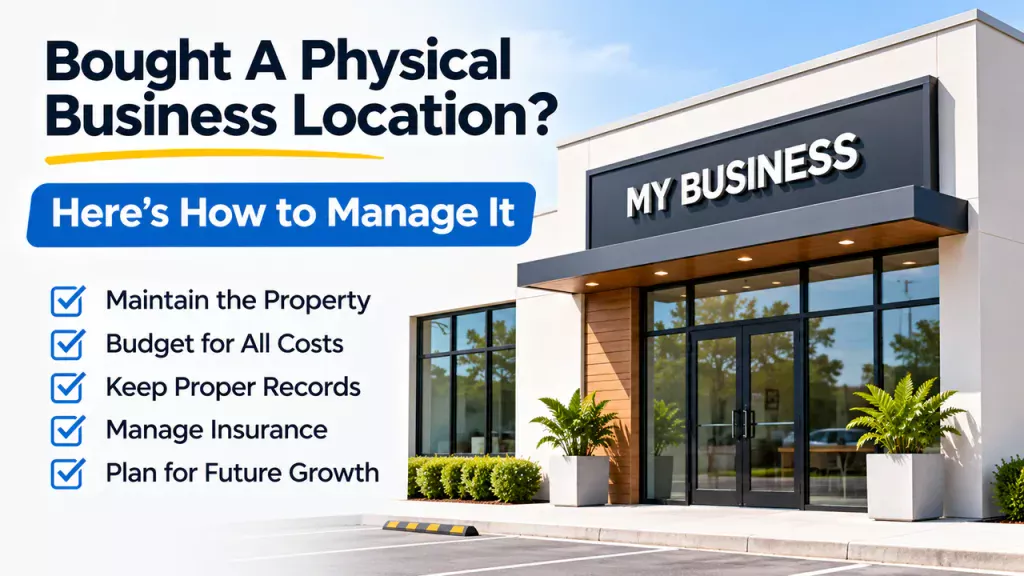
Owning a physical business location represents a significant milestone and financial commitment for any entrepreneur or established company. Unlike renting, purchasing property means you now have direct responsibility for maintaining, improving, and optimizing the space to support your operations and growth. The shift from tenant to owner requires a fundamentally different approach to property management, financial planning, and long-term strategy. Understanding how to effectively manage your new asset will determine whether it becomes a valuable investment or a source of ongoing stress and unnecessary expense.
Establish a Comprehensive Maintenance Schedule
Regular maintenance is the foundation of protecting your investment and ensuring your business operates smoothly. Creating a detailed maintenance schedule helps you stay on top of repairs before small issues become expensive problems. You should document all equipment, HVAC systems, plumbing, electrical components, and structural elements that require periodic attention. For example, your HVAC system typically needs filter changes every few months and professional servicing at least twice annually to maintain efficiency and air quality. Roof inspections should happen annually, particularly after severe weather, to catch leaks or damage early. By staying proactive with maintenance, you reduce emergency repair costs and extend the lifespan of major building systems.
Budget for Both Expected and Unexpected Costs
Owning property means accounting for expenses beyond your standard business operational costs. Property taxes, insurance, utilities, and routine maintenance should all be incorporated into your annual budget. However, you must also reserve funds for unexpected repairs and emergencies that inevitably arise. Many property owners recommend setting aside five to ten percent of your property’s value annually for maintenance and repairs. This reserve fund protects your business from cash flow disruptions when major systems fail or weather-related damage occurs. Understanding these financial obligations upfront helps you make informed decisions about your property investment and avoid budget shortfalls.
Track and Manage Property Insurance Carefully
Comprehensive property insurance is essential protection for your physical location and the assets inside it. Your insurance policy should cover not only the building structure but also liability, equipment, inventory, and potential business interruption. Review your coverage annually with your insurance agent to ensure protection keeps pace with any improvements you have made or changes in your business operations. If you have upgraded equipment, expanded your inventory, or made significant renovations to the space, your insurance coverage may need adjustment. Different industries face different risks, so your policy should reflect the specific hazards associated with your business type. Proper insurance protects both your investment and your financial stability.
Implement Systems for Property Documentation
Maintaining detailed records of your property is crucial for tax purposes, insurance claims, and future resale value. Document all improvements, repairs, and maintenance work with dates, costs, and descriptions of what was completed. Keep receipts, invoices, and warranties in an organized system, whether digital or physical, that you can easily access. This documentation becomes especially important when filing taxes, as many property-related expenses and improvements offer tax deductions or depreciation benefits. During the closing process and beyond, real estate professionals rely on title and escrow software integrations to keep transaction records accurate, accessible, and properly connected across systems, which can be a meaningful advantage when you need to reference ownership history or closing details for tax and compliance purposes. If you ever need to file an insurance claim or sell the property, comprehensive records demonstrate the care you have invested in the building.
Plan for Growth and Future Modifications
As your business evolves, your physical space may need to adapt alongside it. Think about how your business might expand or change over the next five to ten years and whether your current location can accommodate that growth. Planning ahead helps you avoid expensive relocations or the need to purchase additional properties. Some modifications, such as reconfiguring office layouts or upgrading technology infrastructure, can be accomplished relatively inexpensively if planned in advance. Other changes, like expanding square footage or adding specialized facilities, require more significant investment and planning. By considering your long-term vision now, you make smarter decisions about upgrades and modifications that protect your property investment.
Build Relationships with Reliable Service Providers
Establishing connections with trustworthy contractors, inspectors, and maintenance professionals makes managing your property significantly easier. These relationships help you respond quickly to emergencies and receive fair pricing on repairs and services. Ask other property owners for recommendations and check references carefully before hiring anyone for major work. A dependable electrician, plumber, HVAC technician, and general contractor can be invaluable when issues arise. Regular service providers also become familiar with your building’s specific characteristics and systems, allowing them to provide more efficient and targeted service. Investing time in finding and maintaining these professional relationships pays dividends throughout your ownership.
Conclusion
Managing a purchased business location requires a multifaceted approach that combines proactive maintenance, careful financial planning, proper documentation, and strategic thinking about the future. Success depends on understanding that property ownership is not simply a real estate transaction but an ongoing commitment to preserving and optimizing your asset. By establishing maintenance schedules, budgeting appropriately, securing adequate insurance, keeping detailed records, planning for growth, and building reliable service relationships, you position yourself to successfully manage your property for years to come. Your physical location can become a valuable asset that supports your business’s stability and growth when managed with intentionality and care.