
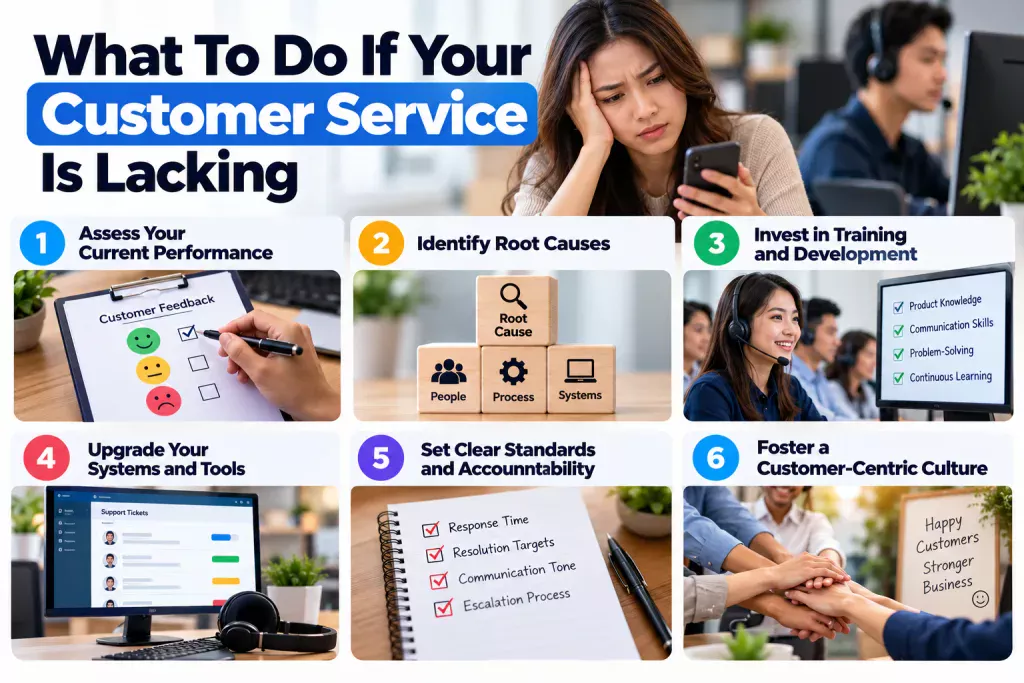
Poor customer service can damage your business reputation and drive customers toward your competitors. If you’ve noticed that your support team is struggling to meet customer expectations, taking action now is critical. The good news is that identifying the problem and implementing solutions is entirely within your control. This article will guide you through practical steps to diagnose and improve customer service gaps before they become bigger issues.
Assess Your Current Performance Honestly
Understanding exactly where your customer service falls short is the essential first step toward improvement. Start by gathering honest feedback from your customers through surveys, reviews, and direct conversations. Do not just look at positive comments; pay close attention to complaints and recurring themes in negative feedback. Your team members are also valuable sources of insight, as they often know firsthand what obstacles prevent them from delivering excellent service. Consider tracking metrics like average response time, resolution rate, and customer satisfaction scores to get a clear picture of performance gaps. This data will help you prioritize which problems to tackle first and measure your progress as you implement changes.
Identify Root Causes Behind the Problems
Once you’ve acknowledged there’s a problem, dig deeper to understand why it exists. Many customer service issues stem from understaffing, inadequate training, or outdated systems rather than individual employee failure. For example, if your team consistently misses response deadlines, the bottleneck might be that your current ticketing system requires manual data entry for every interaction. If customers report the same question repeatedly, it could mean your team lacks clear protocols or knowledge resources. Sometimes the issue is that your business has grown faster than your support infrastructure can handle, creating a mismatch between demand and capacity. Spend time observing your actual service processes to see where friction points occur and where efficiency breaks down.
Invest in Training and Development
Your team cannot deliver excellent customer service without the right skills, knowledge, and confidence to handle diverse situations. Develop a comprehensive training program that covers your products or services in depth, as well as soft skills like active listening and problem-solving. New employees should receive thorough onboarding that goes beyond company basics; they need to understand your customer expectations and your service standards. Ongoing training is equally important, as products evolve and best practices change over time. Creating a culture where team members can ask questions and learn from mistakes encourages continuous improvement. When employees feel confident and supported, their interactions with customers naturally become more positive and productive.
Upgrade Your Systems and Tools
The right technology can dramatically improve how efficiently and effectively your team responds to customers. Evaluate whether your current communication tools, ticketing systems, and knowledge bases actually support your team or create bottlenecks. For instance, hold experiences that play generic messages or silence while customers wait can frustrate callers before they even speak with anyone. Easy on Hold helps businesses select the right audio experience for their callers, and teams evaluating their hold experience often browse music on hold samples to find a tone that reflects their brand and keeps callers comfortable during wait times. Beyond on-hold audio, look at whether your overall infrastructure allows team members to access customer history quickly, collaborate on complex issues, and track their progress without excessive manual work. Investing in reliable, intuitive systems pays dividends by freeing your team to focus on what they do best: helping customers.
Set Clear Standards and Accountability
Customer service excellence requires everyone to understand what “good” looks like and know they are accountable for delivering it. Create detailed service standards that address response times, resolution targets, communication tone, and escalation procedures. Make these standards visible to your team and tie them to performance reviews and recognition programs so employees know they matter. Regular team meetings should include discussions about customer feedback, recent successes, and areas needing improvement. When standards are clear and consistently enforced, team members have the guidance they need to make good decisions under pressure. Accountability does not mean punishment; it means creating a framework where good performance is recognized and poor performance triggers coaching rather than blame.
Foster a Customer-Centric Culture
Sustainable customer service improvement comes from building a culture where every team member genuinely cares about customer outcomes. This starts at the leadership level, with managers and executives modeling excellent service behavior and making customer satisfaction a priority in business decisions. Celebrate stories of team members going above and beyond to help customers, and encourage others to do the same. Help your team see the connection between their work and real customer lives, whether that means reading customer testimonials or understanding how your product affects people’s daily routines. When employees feel valued and connected to a purpose larger than processing tickets, they naturally become more engaged and motivated to provide better service.
Conclusion
Addressing customer service shortcomings requires honest assessment, targeted investment, and sustained commitment from leadership. By identifying root causes, strengthening your team through training, upgrading your systems, and establishing clear standards, you create the conditions for meaningful improvement. Customer service is not a cost center to be minimized; it is a competitive advantage that directly impacts retention and growth. Taking these steps may require time and resources upfront, but the payoff in customer loyalty and business success makes it a worthwhile investment. Your customers will notice the difference, and your team will feel more confident and satisfied in their work.