
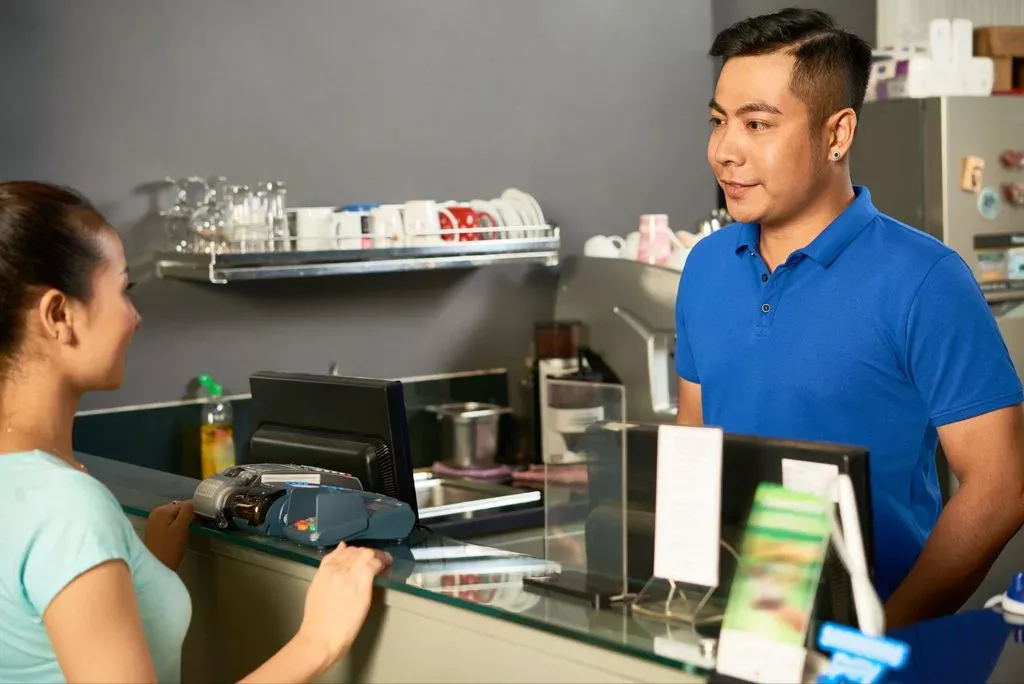
Local business owners take on different roles to keep their daily operations running smoothly. This adaptability is especially important as growing enterprises navigate a rapidly evolving online marketplace. In fact, the Philippine Statistics Authority (PSA) reported that this sector accounts for 9.8% of the country’s GDP.
As transactions become streamlined, having an organized system for recording sales can make a difference. This is where a BIR-accredited POS system can do more than process customer payments. For local SMEs, it supports proper transaction recording and helps businesses meet applicable Bureau of Internal Revenue requirements.
That said, choosing the right POS provider helps you avoid unnecessary workflow changes in the future. This article will tell you why the right point-of-sale system matters for your business.
What BIR Accreditation Means for Your POS System
A BIR-accredited POS generally refers to a point-of-sale solution that meets the BIR’s accreditation requirements for sales machines and software. Acquiring a POS system does not automatically complete every requirement for your business. In fact, a business owner needs to secure the Permit to Use, or PTU, to use a POS. This is pursuant to the National Internal Revenue Code of 1997.
Therefore, it is important to work with a knowledgeable POS provider and verify your current obligations directly with the BIR. While rules and procedures may change, compliance requirements could differ based on the business and system involved.
Why Compliance Is Considered in Choosing a POS
The best POS system for your small business helps maintain structured transaction records of daily sales. This advantage matters because compliance relies on accurate records when reviewing performance, sales, and documentation. Using disconnected systems for transaction types can make sales monitoring difficult.
The growing use of digital payments makes compliance even more apparent. In fact, the Bangko Sentral ng Pilipinas reported that digital payments reached 64.7% of total retail payments in 2025 (Inquirer). A compliant and well-organized POS setup reduces the likelihood of your business changing the transaction process as it grows.
How the Right POS System Supports Efficient Daily Operations
Apart from compliance, here’s how a BIR-accredited POS system can improve the daily management of your local business:
Better Access to Sales and Business Information
A POS system with inventory management helps you monitor sales activity, identify busy periods, and improve business decisions over time. When a product sells, the business can gain better visibility into what inventory may need replenishment. It also lets you identify products that sell frequently during specific days and distinguish seasonal changes in customer demand.
More Organized Transaction Recording
Manual sales logs may work for a small number of transactions. However, it could become difficult to manage when customer volume increases. A POS could centralize the transaction data, allowing you to review sales without relying on fragmented records.
Reduced Manual Errors Through Automation
Manual encoding creates opportunities for an employee to enter the wrong amount, forget to record a transaction, or make an error while transferring sales. Having an Android POS app can lessen these repetitive processes by automating transactions as they occur. While it does not completely eliminate mistakes, it can reduce the number of steps where human error may occur. This gives you greater flexibility in managing transactions during operations.
Seamless Support to Business Growth
As a business grows, manual processes become quite difficult to maintain. This is where POS systems offer practical features that support growth while enhancing employee productivity. Here are the following functions to consider during evaluation:
- BIR accreditation: Verify the accreditation status of the POS solution and understand what support the provider offers.
- Registration guidance: Look for clear information about the applicable BIR processes for POS systems.
- Transaction management: Choose a system that records and organises daily sales effectively.
- Ease of use: Employees should be able to learn the system without an unnecessarily complicated workflow.
- Inventory features: A POS built with inventory management features help you monitor products alongside sales activity.
- Business scalability: The system should remain useful as transaction volume and operational needs increase.
- Reliable support: Accessible customer support can help businesses address technical and implementation concerns.
Ultimately, the ideal POS system for your small business aligns with your day-to-day processes, instead of simply boasting an extensive list of features.
Support Your Business Growth and Compliance Today!
Investing in the right BIR-accredited POS system gives you better visibility over your daily operations while supporting your business as it grows. It helps you keep transactions organized, reduce errors, manage inventory, and support compliance. With this system, you can spend less time managing fragmented records and focus more on serving customers.
If you are ready to simplify sales management and build a more efficient workflow, KaHero Mobile POS can help. Our app gives you the tools to manage your transactions and daily operations with greater ease. To see how our software can help support your business growth and keep your sales operations organized, book your FREE demo today!
Frequently Asked Questions (FAQs)
Here are answers to commonly asked questions about BIR-accredited POS systems:
How do I register a POS machine to BIR?
You should register your POS system with the BIR to comply with invoicing and reporting standards. Coordinate with your POS provider or the BIR for the registration process.
Does a BIR-accredited POS system automatically ensure tax compliance?
No. A BIR-accredited POS system can support compliance, but you should still follow proper tax, registration, and reporting requirements.
How long does it take to train employees to use a POS system?
Basic POS training can take a few hours to a few days, depending on the system’s complexity. User-friendly systems can help employees learn daily tasks more quickly.