
Developer posts increase in first-half reservations, expands presence in emerging growth areas
Housing demand in Cebu remains resilient as homebuyers increasingly look beyond established urban centers for communities that offer a practical balance of affordability, accessibility, and long-term value.
Pueblo de Oro Development Corporation (PDO) is seeing this shift reflected in its strong first-half performance in Cebu, where reservation sales rose by over 300% year on year. The performance comes as buyers become more deliberate about their purchases amid higher property and construction costs and broader economic uncertainties.
“The challenge is how do you maintain affordability, enticing the market to buy despite what is happening in our economy,” said John Paul Escario, vice president for operations for Visayas at Pueblo de Oro. “But the demand is still there.”
Escario said the company remains cautiously optimistic about the second half of the year, citing population growth, infrastructure development, employment opportunities and resilient remittance inflows from overseas Filipino workers as continuing supports for residential demand.
At the same time, buyers are paying closer attention to price, location, financing terms, amenities and the long-term value of their purchases. This is encouraging developers to look beyond Cebu’s established urban areas, where rising property values have made emerging growth corridors increasingly attractive to homebuyers.
A key contributor to PDO’s first-half performance was Pueblo de Oro Townhomes Carcar, a 10-hectare, 900-unit residential development launched in January. The P1.2-billion project generated more than P200 million in reservation sales during the first half, making it one of the strongest contributors to the company’s Cebu portfolio.
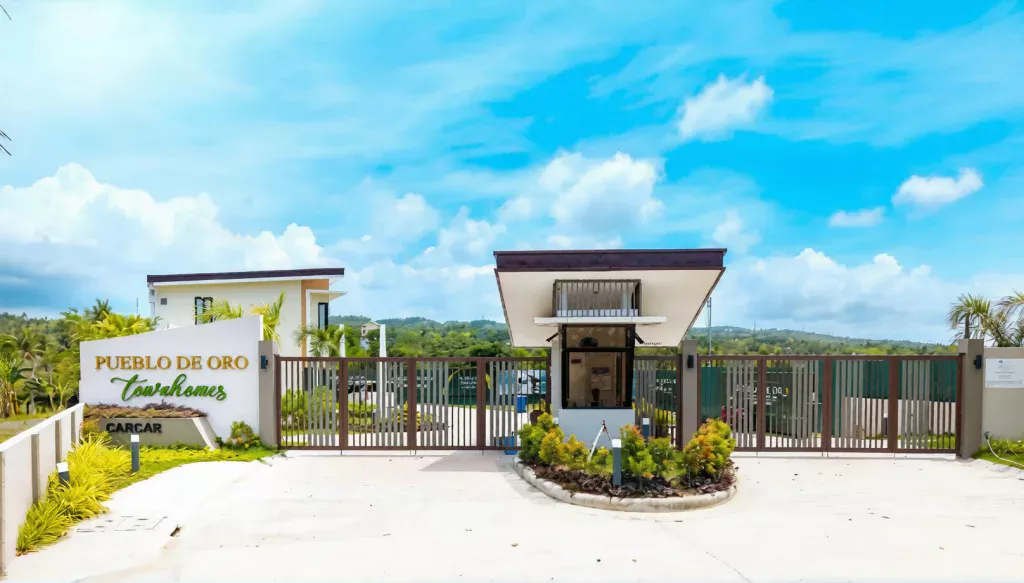
The early take-up supports PDO’s strategy of expanding into growth areas south of Metro Cebu, where buyers can find more accessible housing while remaining within reach of employment centers and other urban conveniences.
PDO is also exploring opportunities within more established urban markets. The company is looking at a mid-rise residential development in Lapu-Lapu City, which would complement its existing horizontal projects and allow it to offer more space-efficient housing in an established location.
Escario said the company is seeking to preserve affordability through efficient layouts, practical unit designs, construction efficiency, strategic locations and financing options rather than simply reducing unit sizes or specifications.
“We want to preserve the features that matter most to homeowners — structural quality, functionality, community amenities and overall livability — while being disciplined about costs,” he said.
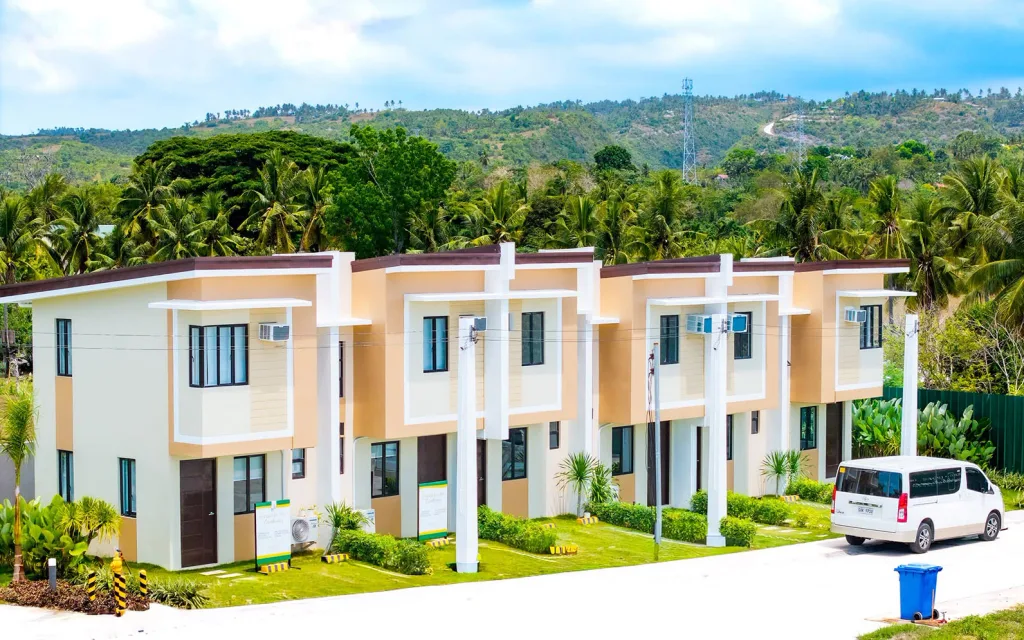
The affordable to mid-income segment remains an important area of opportunity for PDO, particularly among first-time homeowners and working families who are increasingly considering locations outside the traditional urban core.
Cebu’s housing market also continues to benefit from its role as a major economic and tourism center in the Visayas, supported by infrastructure investments, employment growth and sustained demand from local and overseas Filipino buyers.
Against this backdrop, PDO is maintaining a long-term expansion program in Cebu. The company has earmarked about P2 billion in capital expenditure through 2029, with roughly P1 billion intended for its existing project pipeline and another P1 billion for expansion initiatives, including potential land acquisitions and new residential developments.
The investment will support the company’s efforts to expand its presence in Cebu while responding to evolving housing preferences and opportunities in emerging growth areas.
For Pueblo de Oro, the strong first-half performance, particularly the early response to Townhomes Carcar, reinforces the potential of Cebu’s residential market beyond its traditional urban centers.