
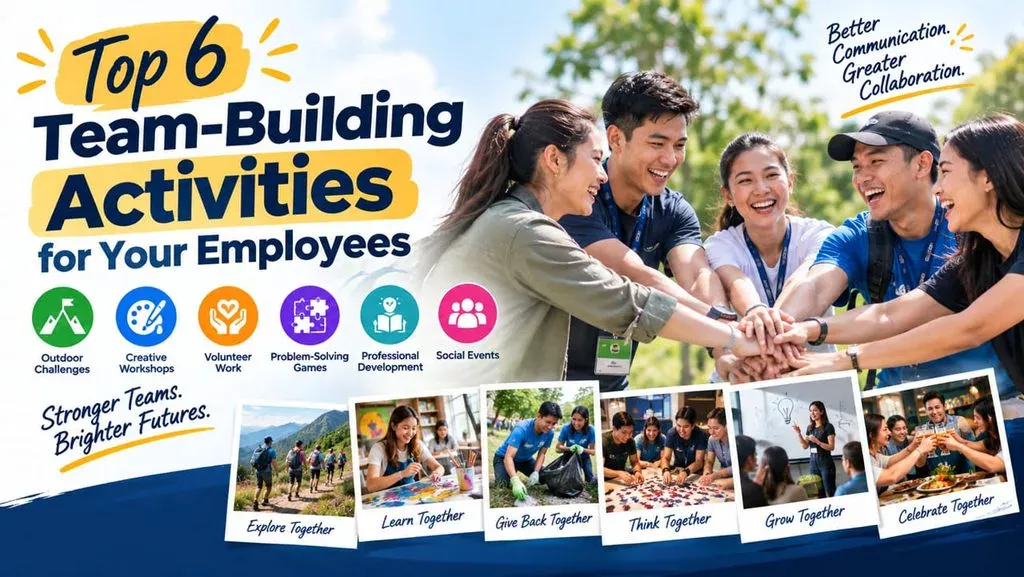
Honestly — when did your team last feel truly connected? Not just polite. Not just professional. Actually connected. Most organizations wrestle with engagement and strained workplace relationships, yet the fix is often simpler than leadership expects. Purposeful team-building. Real collaboration. Trust forged outside the usual grind. Pull colleagues out of their daily silos — give them room to laugh, to communicate, to lean on each other — and something shifts. Mutual respect follows. So does forward momentum. Less complicated than most executives assume.
Outdoor Challenges and Adventure
Ropes courses wreck comfortable routines. Fast. That discomfort — the productive kind — is the whole point. Hiking expeditions, group orienteering, high ropes elements: none of these are mere fun. They demand real communication and genuine reliance on whoever’s standing next to you. Conference room exercises don’t stick the way these do. Colleagues walk away with inside references, shared war stories, a sense of accomplishment they actually earned. Nature resets depleted minds too; people return sharper, less ground down. Competitive cultures especially find outdoor formats click almost immediately. The benefits outlast the event by months — and those memories burrow deep, quietly reshaping how a team sees itself.
Creative Workshops and Skill Exchanges
Cooking classes. Painting sessions. Digital skills labs. Writing workshops. Frivolous? Not even close. These formats strip away job titles and show people as they actually are — messy, curious, sometimes surprisingly talented. Low stakes. Real discovery. Quieter team members often shine here; people who barely speak in meetings suddenly lead the group through sourdough or pottery. That builds confidence. But it builds something harder to manufacture too — genuine respect between colleagues who’d previously only seen each other’s professional surfaces. Conversation starters emerge naturally, carrying right into the workday. Structured well, these sessions surface hidden organizational talent and reinforce a learning culture. No one feels lectured at. That’s the whole trick.
Volunteer Work and Community Projects
Bonding around a shared cause? That’s a different animal entirely. Building homes with a nonprofit, cleaning up a neglected park, serving meals at a food bank — these activities unite a team around something larger than quarterly targets. Employees who serve together consistently report stronger cohesion. Why? Because they’re not just colleagues anymore; they’re people who share values. Community service does something for a company’s reputation that no marketing campaign fully replicates — it earns genuine employee pride. Nobody’s calculating whether they’ve fulfilled an obligation when they’re hauling lumber or ladling soup beside someone they’d otherwise only email. Shoulder-to-shoulder work forges connections that most office activities can’t touch.
Problem-Solving Competitions and Games
Escape rooms. Mystery games. Engineering challenges built from duct tape and limited materials. These work because they’re engaging — genuinely, not artificially. Structured competitions force teams to draw on every member’s strengths and thinking styles, which quickly surfaces how differently people approach a problem. That diversity becomes visible. Suddenly it’s valuable rather than frustrating. The time pressure creates real energy — memorable energy. Managers often learn more about team dynamics from a single escape room session than from months of observation: who gravitates toward leadership, who solves quietly in the corner, who bridges communication gaps. And crucially, nobody feels like they’re fulfilling an obligation. It just feels like fun.
Professional Development Retreats
Why choose between investing in skills and investing in relationships? Retreats that blend both are efficient and effective. When teams tackle industry trends, leadership frameworks, or strategic planning challenges together, they build camaraderie through shared intellectual effort — which is different from, and complementary to, the bonds formed through play. Facing new challenges as a unit builds genuine respect for how each person contributes. The organizational signal matters too; employees notice when their growth is prioritized. It boosts loyalty. For teams seeking a genuinely immersive retreat setting, fishing cabins in Tennessee offer the kind of peaceful, distraction-free backdrop where case studies and group projects get real attention — with nature’s restorative calm built right in. Learning and bonding at once. Hard to beat that return on investment.
Social Events and Celebration Gatherings
Sometimes the most effective team-building isn’t structured at all. Team lunches. Holiday parties. A quick Friday afternoon gathering to mark someone’s work anniversary. These informal touchpoints let employees interact without an agenda — and organic relationship-building emerges from that. The kind no facilitated exercise can manufacture. Celebrating wins publicly, individual or collective, reinforces what the organization actually values. Social events work as connective tissue between larger initiatives, keeping relationship momentum alive throughout the year. Even brief, casual interactions build familiarity that carries into daily collaboration. But here’s the key: consistency. Hosting gatherings only around major holidays signals that connection is seasonal. Regular, low-key events signal something different — that people here matter year-round.
Conclusion
Strong workplace relationships don’t happen by accident. Neither does good communication, or real engagement. Team-building activities lay the groundwork for all three. The smartest approach mixes different activity types across the year, giving varied personalities multiple entry points — not everyone bonds over ropes courses, and that’s fine. Outdoor adventures, creative sessions, volunteer work, competitions, development retreats, social gatherings — each serves a purpose. Each reaches someone differently. Organizations that invest deliberately in these experiences signal something real to their people: that wellbeing and growth are genuine priorities, not talking points. Select activities that match your team’s actual culture and needs. Then watch what happens when employees feel valued, connected, and genuinely motivated to show up.