
Digital wallets have gone from being a convenient extra to something many people use every single day. Whether it’s paying for coffee, splitting dinner bills with friends, buying concert tickets, or shopping online, digital payments are now woven into modern life. The shift has happened quickly, but it also makes perfect sense. People want faster, easier, and more secure ways to manage money, and digital wallets deliver exactly that.
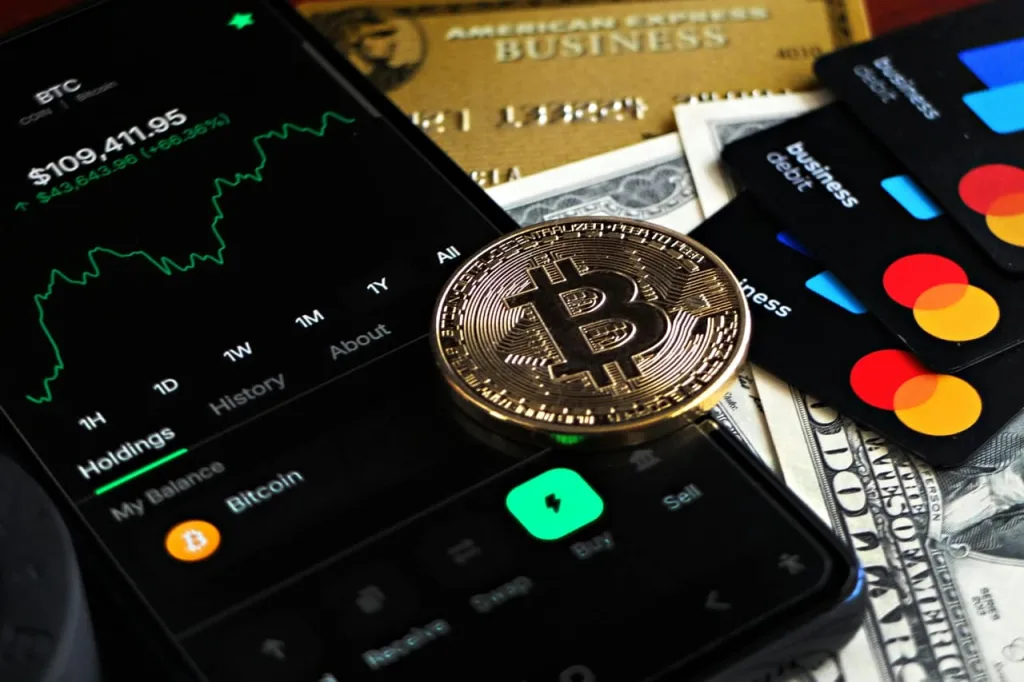
The rise of smartphones has played a huge role in this transformation. Almost everyone carries a device powerful enough to handle banking, shopping, and money transfers in seconds. Instead of reaching for cash or cards, people now simply tap their phones or smartwatches and move on with their day. This convenience has changed expectations around how payments should work.
The Need for Speed and Simplicity
One of the biggest reasons digital wallets have become so popular is speed. Nobody likes waiting in long checkout lines or entering card details repeatedly when shopping online. Digital wallets remove unnecessary steps and make transactions feel almost instant.
Consumers are drawn to experiences that save time and reduce friction. A quick tap at a store or a few clicks online creates a smoother customer experience. This is especially important in a fast-moving world where people expect technology to simplify daily tasks.
Businesses benefit too. Faster checkouts can improve customer satisfaction and encourage repeat purchases. Restaurants, retail stores, ride-sharing companies, and online marketplaces all benefit from offering seamless payment options.
The simplicity of digital wallets also makes them appealing to younger generations who grew up with smartphones and digital services. Many younger consumers rarely carry cash at all, preferring digital-first solutions for everything from shopping to entertainment.
Security Is Better Than Many People Think
At first, some people worried about storing financial information on their phones. But digital wallet technology has become highly advanced when it comes to security.
Most digital wallets use encryption and tokenization, which means actual card numbers are not directly shared during transactions. Features like fingerprint scanning, facial recognition, and multi-factor authentication add another layer of protection.
In many cases, digital wallets can be safer than carrying physical cards. If someone loses a wallet full of cash or cards, recovery can be difficult. But if a phone is lost, users can often lock or erase it remotely.
Consumers are becoming more aware of these protections, and growing trust is helping digital wallets become mainstream. Security updates also continue to improve as technology evolves.
Online Shopping Has Changed Consumer Habits
E-commerce growth has had a major impact on how people pay for products and services. Online shopping is now a regular part of life, and digital wallets make the process significantly easier.
Nobody enjoys typing in long card numbers, billing addresses, and verification codes every time they make a purchase. Digital wallets streamline this process by securely storing payment information and allowing fast checkout experiences.
This convenience matters because shoppers often abandon carts when checkout feels complicated or time-consuming. Businesses understand this and increasingly offer wallet-based payment solutions to improve conversion rates.
The rise of mobile shopping has accelerated this trend even further. More people shop directly from their phones, and digital wallets naturally fit into that experience. A modern payment app can turn a lengthy checkout process into a quick and smooth transaction, which is exactly what today’s consumers expect.
Contactless Payments Became the New Normal
The global shift toward contactless technology helped digital wallets grow even faster. People became more comfortable using touch-free payment methods in stores, restaurants, public transportation systems, and entertainment venues.
Tapping a phone or smartwatch is now seen as normal behavior rather than futuristic technology. Many consumers appreciate the convenience and hygiene benefits of contactless payments.
Retailers also adapted quickly by upgrading payment terminals to support digital transactions. As businesses embraced contactless systems, consumers became more likely to use digital wallets regularly.
Today, contactless experiences are expected in many places. Customers often assume businesses will accept mobile payments, and companies that fail to offer them may appear outdated.
Digital Wallets Fit Into Everyday Routines
One reason digital wallets continue growing is that they integrate naturally into daily routines. They are not limited to shopping alone. People use them for transportation, food delivery, subscriptions, event tickets, peer-to-peer transfers, and even loyalty programs.
Many digital wallets combine multiple functions in one place. Users can track spending, store boarding passes, collect rewards points, and manage subscriptions without juggling several apps or physical cards.
This all-in-one convenience creates strong habits. Once people experience how easy digital wallets make everyday tasks, they rarely want to return to older payment methods.
The technology also supports modern lifestyles where flexibility matters. Whether someone is traveling internationally, working remotely, or ordering groceries from home, digital wallets help simplify the process.
Younger Generations Are Driving Adoption
Millennials and Gen Z consumers are heavily influencing the future of payments. These generations are highly comfortable with digital experiences and expect technology to be integrated into every aspect of life.
Traditional banking habits are changing as younger users prioritize convenience, speed, and mobile accessibility. They are more willing to experiment with new financial tools and services compared to older generations.
Social media, influencer culture, and digital-first brands also contribute to wallet adoption. People are constantly exposed to frictionless online experiences and fast purchasing options.
As younger consumers gain purchasing power, businesses are adapting to their preferences. Digital wallets are becoming less of an optional feature and more of a standard expectation.
Businesses Are Embracing the Shift
Companies across industries recognize that digital payments are here to stay. From small local cafes to major global retailers, businesses are investing in technology that supports wallet-based transactions.
Offering multiple payment options helps businesses remain competitive and accessible. Customers appreciate flexibility, and companies that provide smooth payment experiences often build stronger loyalty.
Digital wallets also provide valuable insights into customer behavior. Businesses can better understand spending habits, personalize promotions, and improve overall customer experiences.
For small businesses, digital wallet adoption can simplify operations and reduce dependence on cash handling. This can improve efficiency and make transactions easier to track.
The Future Looks Even More Digital
Digital wallets are likely to continue evolving as technology advances. Artificial intelligence, biometric authentication, blockchain technology, and wearable devices may all shape the next generation of digital payments.
Financial services are becoming increasingly connected to digital ecosystems. Consumers now expect instant access, personalized experiences, and seamless interactions across devices.
As internet access expands globally, digital wallets may also help increase financial inclusion in underserved regions. Mobile-based financial tools can give more people access to secure payment systems and digital commerce opportunities.
The future of payments is not just about replacing cash. It is about creating smarter, faster, and more connected experiences that fit naturally into everyday life.
Final Thoughts
Digital wallets are no longer just a trend or a tech novelty. They have become a practical solution for modern consumers who value convenience, speed, flexibility, and security.
As technology continues to evolve, digital wallets will likely become even more integrated into daily routines. From online shopping to transportation and entertainment, they are reshaping how people interact with money.
The growing popularity of digital wallets reflects a larger shift toward digital lifestyles. People want tools that simplify everyday tasks, and digital wallets are proving to be one of the most effective solutions in today’s connected world.