
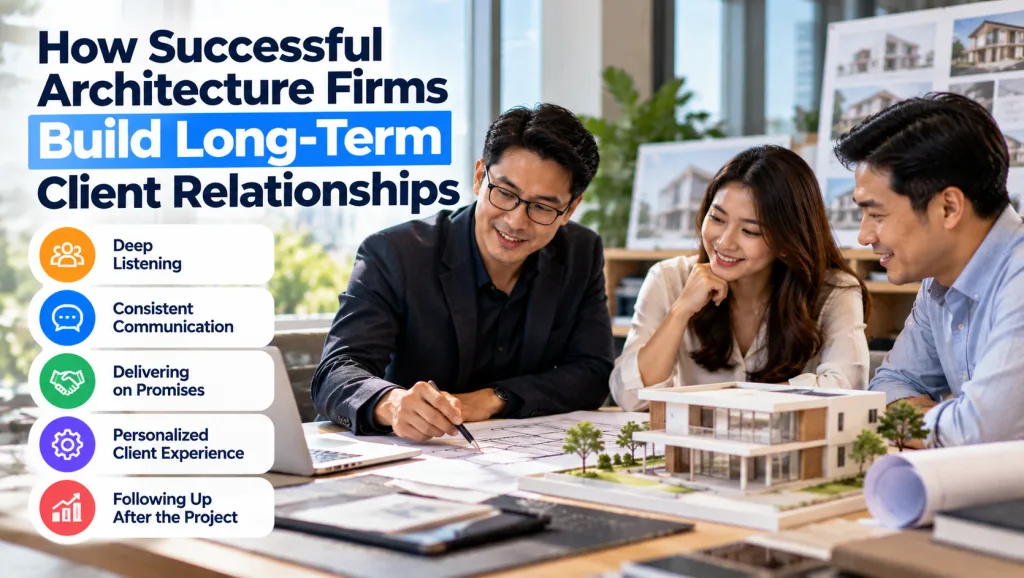
Architecture is a deeply personal profession. Whether designing a family home, a commercial space, or a mixed-use development, architects are entrusted with bringing someone’s vision to life in a very tangible, lasting way. The best firms understand that technical work is only part of the equation. Just as important is the ability to build genuine, lasting relationships with clients that reach well beyond the final blueprint.
Starting with Deep Listening
The foundation of any strong client relationship is the ability to truly listen. Successful architecture firms invest significant time in the early stages of a project to understand not just the functional requirements, but the values, lifestyle, and long-term goals of the people they’re working with. This discovery process often involves multiple conversations, site visits, and even informal meetings over coffee. Clients who feel heard from the start are far more likely to trust a firm’s creative direction and carry that trust through the entire project. Listening also helps firms anticipate problems before they surface, making the whole process smoother for everyone involved.
Consistent and Transparent Communication
One of the most common frustrations clients have with architecture firms is a lack of communication, especially during the design and construction phases. Firms that build lasting loyalty make it a priority to keep clients informed at every stage, sharing updates, explaining decisions, and flagging potential issues well in advance. This kind of transparency builds real confidence and eases the anxiety that often comes with a major building project. Regular check-ins, clear documentation, and honest conversations about timelines and budgets go a long way toward establishing trust. When clients feel like partners rather than bystanders, they’re far more likely to return for future projects and enthusiastically refer others.
Delivering on Promises, Every Time
Reliability is one of the most powerful tools an architecture firm can have. Clients remember whether deadlines were met, budgets were respected, and expectations were managed with honesty. Denver residential architects who consistently deliver on their commitments build a reputation that sustains their business for decades. This means being upfront during the proposal phase about what’s actually achievable, rather than overpromising just to win a contract. A firm that sets realistic expectations and then meets or exceeds them will always outperform one that dazzles during the pitch but disappoints during execution.
Personalizing the Client Experience
No two clients are exactly alike, and the firms that recognize this tend to stand apart from the competition. Personalizing the experience might mean adjusting communication style to match a client’s preferences, accommodating their decision-making pace, or simply remembering the small details that matter most to them. Some clients want to be involved in every choice, while others prefer to hand things off and trust the process. Understanding this distinction early and adapting accordingly reflects a level of professionalism and care that clients genuinely appreciate. These thoughtful touches are often exactly what clients mention when they recommend a firm to a friend or colleague.
Following Up After the Project Ends
The relationship between an architect and a client shouldn’t end at the ribbon cutting. Following up weeks or months after project completion shows that a firm genuinely cares about long-term satisfaction, not just closing the deal. A simple call to check how the space is functioning, or a note acknowledging the anniversary of a project’s completion, keeps the relationship warm and top of mind. Many firms find that their best new clients come from referrals made by existing ones, which means staying connected is actually a smart business strategy as much as it is a human one. Post-project follow-up also opens the door to future work as clients’ needs continue to evolve over time.
Conclusion
Long-term client relationships aren’t built by accident. They’re the result of intentional habits, genuine care, and a consistent commitment to excellence across every phase of a project. Architecture firms that prioritize communication, reliability, and personalized service are the ones that earn repeat business and enthusiastic referrals year after year. In a competitive industry, the technical quality of the work gets a firm in the door, but the quality of its relationships is what keeps clients coming back. Investing in those connections is one of the most valuable things any firm can do for its long-term success.