
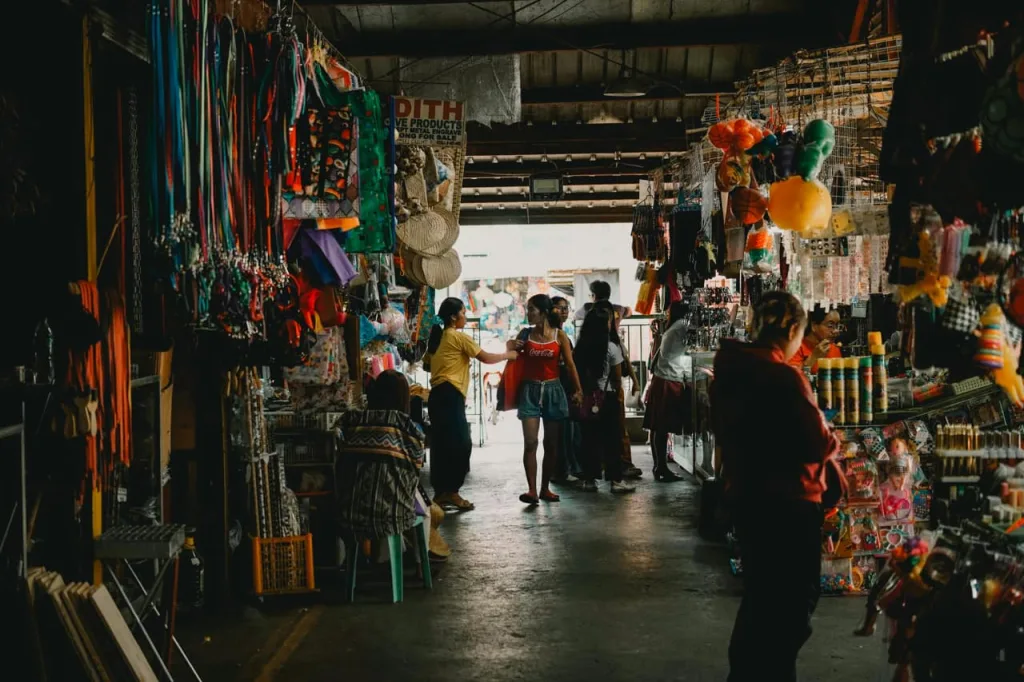
Open-air markets offer a unique opportunity for small businesses and entrepreneurs to connect directly with customers. These environments are lively, competitive, and often crowded, which means vendors only have a short window to capture attention. While product quality matters, presentation and strategy often determine which booths draw foot traffic and which get passed by. Understanding how to stand out in an open-air market setting can turn casual browsers into loyal customers and significantly boost sales.
First Impressions Drive Foot Traffic
At an open-air market, first impressions happen fast. Shoppers are constantly scanning booths as they walk, often making split-second decisions about where to stop. A booth that looks organized, inviting, and professional naturally attracts more attention than one that appears cluttered or unfinished.
Color coordination, signage, and layout all contribute to visual appeal. Clear branding helps customers immediately understand what you offer. Large, readable signs and consistent color themes create recognition and trust. When a booth looks intentional and well-prepared, shoppers are more likely to assume the products are high quality as well.
Layout That Encourages Browsing
Once customers approach your booth, layout becomes critical. An effective layout guides visitors naturally through your products without overwhelming them. Tables should be positioned to allow easy access from multiple angles, and items should be displayed at varying heights to add visual interest.
Spacing matters more than many vendors realize. Overcrowding products can make browsing feel stressful, while thoughtful spacing encourages customers to linger. Having a clear focal point, such as a featured product or best-seller, helps anchor the booth and gives shoppers a starting point. A suave trade show booth style layout adapts especially well to open-air markets by combining structure with flexibility, making it easier to adjust throughout the day.
Engaging the Senses Beyond Visuals
Standing out is not just about what people see. Engaging multiple senses can significantly increase memorability. Depending on your product, this might include touch, sound, or even scent. Allowing customers to handle items helps build connection and confidence, especially for handmade or specialty goods.
Sound can also play a role, though it should be used carefully in open-air settings. Soft background music or subtle product demonstrations can attract interest without overpowering nearby vendors. The goal is to create a comfortable and welcoming atmosphere that draws people in rather than distracting them.
Clear Messaging Builds Trust Quickly
Open-air market shoppers often ask the same questions repeatedly. Clear messaging helps answer those questions before they are even asked. Price tags should be easy to read, and product descriptions should be concise but informative. This transparency reduces hesitation and speeds up decision-making.
Storytelling also adds value. Brief signage that explains how a product is made, where it comes from, or what problem it solves can create an emotional connection. When customers understand the story behind a product, they are more likely to see it as meaningful rather than just another item for sale.
Vendor Presence and Interaction Matter
Even the best-designed booth benefits from an engaged vendor. How you interact with customers can significantly influence sales outcomes. A friendly greeting, open body language, and genuine enthusiasm make people feel welcome without pressure.
Timing is key. Some shoppers want to browse quietly, while others appreciate a quick explanation. Reading body language helps you adjust your approach. Being knowledgeable and approachable builds credibility and encourages questions, which often lead to purchases. Your presence should complement the booth design, reinforcing professionalism and approachability.
Adapting to Market Flow and Environment
Open-air markets are dynamic environments influenced by weather, crowd flow, and time of day. Successful vendors adapt their booth setup as conditions change. For example, rearranging products during peak hours can help manage traffic, while adjusting signage for lighting conditions ensures visibility throughout the day.
Flexibility also applies to inventory presentation. Highlighting different products as the day progresses keeps the booth feeling fresh and responsive. Vendors who adapt quickly tend to maintain stronger engagement even as crowds shift or slow down.
Consistency Across Events Builds Recognition
Standing out at one market is valuable, but long-term success comes from consistency. Using the same layout principles, color schemes, and messaging across events builds brand recognition. Returning customers should be able to spot your booth easily, even in a different location.
Consistency also improves efficiency. Familiar setups reduce setup time and allow you to focus more on customer interaction. Over time, this repeatability strengthens your brand presence and makes your booth feel established and trustworthy.
Conclusion
Standing out at an open-air market requires more than great products alone. Thoughtful booth design, clear messaging, engaging interaction, and adaptability all work together to create a compelling customer experience. By focusing on presentation and strategy, vendors can transform their space into an inviting destination rather than just another stop along the way. With the right approach, open-air markets become powerful platforms for building visibility, trust, and lasting customer relationships.