
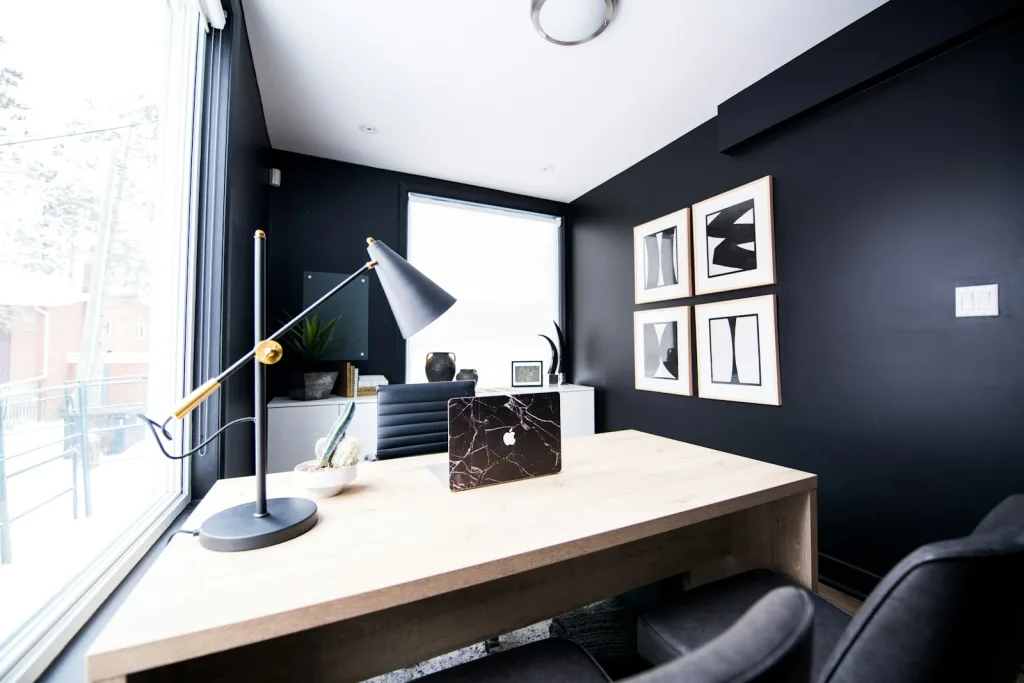
Freelancing offers freedom and flexibility, but it also comes with challenges, especially when it comes to building a professional image and managing business operations from home. Many freelancers struggle with using a personal address, handling client communication, and separating work from personal life. This is where a virtual office becomes a practical solution. It provides a professional business address and access to essential services without the cost of renting physical office space. For freelancers looking to appear more established and organized, a virtual office can bridge the gap between working solo and running a fully structured business. Understanding how it works helps you decide if it fits your workflow and long-term goals.
What Is a Virtual Office for Freelancers?
A virtual office allows freelancers to operate their business using a real commercial address while continuing to work remotely. It is designed to support professionals who do not need a full-time office but still want access to business services.
Instead of listing a home address, freelancers can use the virtual office address for client communication, invoices, and business registration. Many providers also include services like mail handling and call answering, which improve efficiency.
For example, a freelance graphic designer working from home can present a business address in a prime location, making their brand appear more established to potential clients.
Core Features Freelancers Can Use
Virtual offices offer practical tools that fit freelance work:
- Professional business address
- Mail handling and forwarding
- Optional receptionist or call answering services
- Access to meeting rooms when needed
- Flexible plans without long-term commitments
These features help freelancers operate more like a structured business without increasing overhead.
Enhancing Professional Image
First impressions matter, especially when competing for clients. A virtual office helps freelancers present a more credible and professional image.
Using a business address instead of a home address can make a significant difference in how clients perceive your services. It signals stability and seriousness, even if you are working solo.
For instance, a freelance consultant pitching to a corporate client may appear more trustworthy when their business is linked to a recognized commercial address.
Why It Matters
A stronger professional image can lead to:
- Increased client trust
- Higher chances of winning contracts
- Better positioning in competitive markets
This small upgrade can have a direct impact on how your services are valued.
Protecting Personal Privacy
Freelancers often use their home address for business purposes, which can lead to privacy concerns. A virtual office helps separate personal and professional information.
By using a business address, you avoid sharing your residential details on websites, invoices, or public records. This reduces unwanted exposure and maintains personal security.
For example, a freelance writer running an online business can keep their home address private while still maintaining a visible and professional presence.
Improving Mail and Communication Management
Managing business mail can be inconvenient when working from home. Virtual offices simplify this process through organized mail handling services.
Providers can receive, store, forward, or even scan your mail so you can access it digitally. This ensures you never miss important documents, even if you travel or work remotely.
Practical Benefits
- Receive notifications when mail arrives
- Access scanned documents online
- Forward important items to your preferred location
This system is especially useful for freelancers who work with clients across different locations.
Access to Meeting Spaces When Needed
Freelancers do not always need an office, but there are times when meeting clients in a professional setting is important. Virtual offices often provide access to meeting rooms or coworking spaces.
This allows you to host client meetings, presentations, or consultations without renting a permanent office.
For example, a freelance web developer can book a meeting room to discuss a project with a client, creating a more professional and focused environment.
Cost-Effective Business Solution
One of the biggest advantages of freelancing is keeping costs low. A virtual office supports this by offering essential services at a fraction of the cost of a traditional office.
Instead of paying for rent, utilities, and maintenance, freelancers can access only the services they need.
Cost Comparison
| Expense Type | Traditional Office | Virtual Office |
|---|---|---|
| Monthly rent | High | Low |
| Utilities | Required | Included |
| Maintenance | Ongoing | Not required |
| Flexibility | Limited | High |
This makes virtual offices a practical option for freelancers who want to scale without financial strain.
When a Virtual Office Makes the Most Sense
Not every freelancer needs a virtual office, but it can be valuable in specific situations.
You may benefit from one if you:
- Work with corporate or international clients
- Need a business address for registration
- Want to improve your professional image
- Handle frequent business mail
- Occasionally meet clients in person
For example, a freelance marketing consultant working with multiple clients may find it easier to manage communication and maintain credibility with a virtual office setup.
Conclusion
Freelancers can benefit significantly from using a virtual office, especially when it comes to professionalism, privacy, and operational efficiency. It allows you to maintain a credible business presence without the cost and commitment of a physical office. From managing mail to hosting client meetings, the added services support both daily tasks and long-term growth. While it may not be necessary for every freelancer, those looking to build a stronger brand and streamline their workflow will find it a valuable investment. Choosing the right provider ensures you get the flexibility and support needed to run your freelance business with confidence.