
Enterprise asset management plays a vital role in helping organizations maximize the value of their equipment, technology, facilities, and operational resources. Whether managing manufacturing machinery, vehicle fleets, technology assets, or infrastructure systems, businesses depend on effective asset management processes to maintain productivity, control costs, and support long-term growth. As organizations become increasingly data-driven, asset management has evolved from a simple tracking function into a strategic business discipline.
Strong enterprise asset management operations help improve asset reliability, reduce downtime, enhance compliance, and support better decision-making. Achieving these benefits requires a structured approach that addresses the full lifecycle of organizational assets. By focusing on several key operational priorities, businesses can build a more efficient and resilient asset management framework.
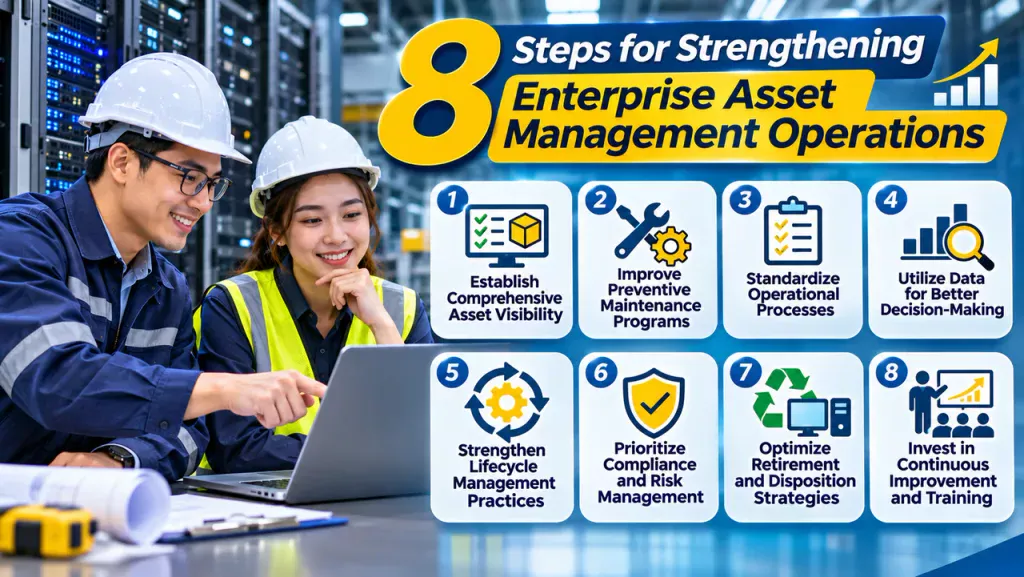
Establish Comprehensive Asset Visibility
The foundation of effective asset management is a complete understanding of what assets exist within the organization. Many companies struggle with incomplete inventories, inconsistent records, or limited visibility into asset locations and conditions.
Creating a centralized asset management system helps address these challenges. Accurate records should include asset specifications, purchase dates, maintenance histories, locations, ownership details, and expected service lives. Modern asset tracking technologies such as RFID tags, barcode systems, and cloud-based management platforms can improve accuracy and streamline asset oversight.
When leaders have access to reliable asset information, they can make better decisions regarding maintenance schedules, capital expenditures, resource allocation, and long-term planning.
Improve Preventive Maintenance Programs
Reactive maintenance often leads to higher costs, operational disruptions, and reduced asset lifespan. Strengthening preventive maintenance programs helps organizations identify and address potential issues before equipment failures occur.
Preventive maintenance schedules should be tailored to the specific requirements of each asset category. Routine inspections, performance testing, calibration activities, and component replacement schedules help maintain optimal operating conditions.
Predictive maintenance technologies can further enhance efficiency by using sensors and performance data to identify early warning signs of equipment deterioration. This proactive approach reduces downtime while helping organizations extend asset life and improve reliability.
Standardize Operational Processes
Consistency is critical for successful asset management. Organizations that rely on informal procedures or varying practices across departments often encounter inefficiencies and reporting challenges.
Standardized processes help ensure that assets are managed consistently from acquisition through retirement. These procedures may include asset registration, maintenance documentation, inspection protocols, inventory updates, and disposal workflows.
Clear standards also improve communication across departments and create accountability throughout the organization. Employees understand expectations more clearly, and management gains greater visibility into operational performance.
As organizations grow, standardized asset management procedures become increasingly important for maintaining efficiency and supporting scalable operations.
Utilize Data for Better Decision-Making
Modern enterprise asset management systems generate valuable data that can support strategic planning and operational improvement. Organizations that leverage this information effectively are often better positioned to optimize performance and control costs.
Key performance indicators such as asset utilization rates, maintenance costs, downtime frequency, repair trends, and lifecycle expenses provide meaningful insights into operational effectiveness. Analyzing this information helps management teams identify inefficiencies and prioritize improvement initiatives.
Data-driven decision-making allows organizations to move beyond assumptions and rely on measurable information when evaluating investments, maintenance strategies, and replacement planning. This analytical approach often leads to more effective resource allocation and stronger financial performance.
Strengthen Lifecycle Management Practices
Asset management should encompass every stage of an asset’s lifecycle, from procurement and deployment to retirement and replacement. A lifecycle perspective helps organizations extract maximum value from investments while minimizing operational risks.
Effective lifecycle planning includes evaluating asset performance, forecasting replacement needs, budgeting for future acquisitions, and assessing ongoing maintenance requirements. By monitoring assets throughout their useful lives, businesses can better anticipate future expenses and avoid unexpected disruptions.
Lifecycle management also supports more accurate capital planning. Rather than responding to sudden failures, organizations can schedule replacements based on performance data and long-term business objectives.
This strategic approach contributes to greater operational stability and improved financial predictability.
Prioritize Compliance and Risk Management
Many industries operate under regulations that require documentation, maintenance records, safety inspections, and asset accountability. Failure to meet these requirements can result in financial penalties, operational restrictions, or reputational harm.
Strong asset management programs support compliance by maintaining accurate records and ensuring that required inspections and maintenance activities are completed on schedule. Auditable documentation provides evidence that organizational standards and regulatory obligations are being met.
Risk management should also be integrated into asset management operations. Identifying critical assets, assessing potential failure risks, and developing contingency plans helps organizations prepare for unexpected events and maintain business continuity.
A proactive approach to compliance and risk mitigation protects both operational performance and organizational reputation.
Optimize Retirement and Disposition Strategies
Retiring assets responsibly is an important component of enterprise asset management. As equipment, technology, and infrastructure reach the end of their useful lives, organizations must ensure that disposition activities are handled securely and efficiently.
Many businesses work with reputable asset disposition companies to manage equipment retirement, recycling, resale opportunities, and secure data destruction processes. These partnerships can help organizations recover residual value while maintaining compliance with environmental and security requirements.
A well-structured disposition strategy prevents unnecessary storage costs, reduces liabilities, and supports sustainability initiatives. It also helps organizations maintain better control over asset records and retirement documentation.
Managing asset disposition effectively ensures that the final stage of the asset lifecycle aligns with broader operational and financial objectives.
Invest in Continuous Improvement and Training
Enterprise asset management is not a one-time initiative. Technologies, regulations, and operational requirements continue to evolve, making continuous improvement an important priority.
Organizations should regularly evaluate asset management performance and identify opportunities for enhancement. Employee training programs help ensure that staff members understand procedures, utilize management systems effectively, and remain informed about best practices.
Continuous improvement initiatives may include implementing new technologies, refining maintenance strategies, improving reporting capabilities, or updating operational workflows. Small improvements accumulated over time can produce substantial gains in efficiency and asset performance.
A culture of ongoing improvement helps organizations remain adaptable and responsive in a changing business environment.
Conclusion
Strengthening enterprise asset management operations requires a comprehensive approach that addresses visibility, maintenance, standardization, analytics, lifecycle planning, compliance, asset retirement, and continuous improvement. Each of these areas contributes to better operational performance, greater asset reliability, and more informed decision-making. By investing in structured asset management practices and maintaining a long-term perspective, organizations can maximize the value of their resources while supporting sustainable growth and operational excellence.