
Limited access to formal financing continues to hinder the growth of the micro, small, and medium enterprises (MSMEs). Although they make up 99.6% of businesses and employ over 65% of the workforce, many still struggle to access credit due to limited collateral, insufficient financial records, and a lack of credit history, preventing them from expanding and contributing more fully to inclusive economic growth.
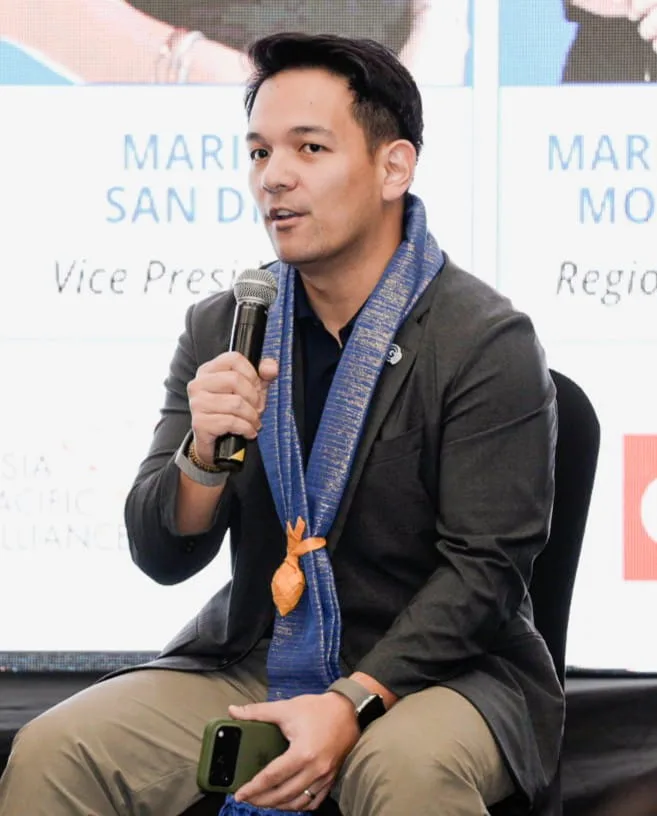
Kevin Yu, head of B2B at GCash lending arm Fuse Financing Inc., shared these insights in a series of events for MSMEs, including the DTI National Forum on Strengthening MSME Disaster Resilience 2026, the Office of the Presidential Adviser for Poverty Alleviation Convergence Summit on Economic Resilience, GoNegosyo MSME Summit 2026, and Inquirer ESG Connect.
During these engagements, Yu underscored the need to close this persistent financing gap through inclusive and data-driven financing solutions for MSMEs.
The core of this effort lies in the integration of financial services within the GCash ecosystem. Through GCash for Business, entrepreneurs can accept digital payments and manage transactions, allowing them to build a digital financial footprint. This generates alternative data that helps financing providers better understand business performance and extend credit more responsibly.
Yu explained that this model enables access for underserved entrepreneurs, including first-time formal borrowers. Eligible businesses can access financing through GLoan Negosyo, available through the GCash app with loans of up to ₱350,000, or through the GCash for Business Portal, where qualified merchants can access loans of up to ₱2 million. These financing options support inventory purchases, working capital, and expansion plans.
“Financial resilience is more than access to loans. Business owners need solutions that help them earn, manage, protect, and grow their income,” Yu said.
He added that fintech plays a complementary role alongside traditional financial institutions. Digital platforms improve access, speed, and convenience, while banks continue to support businesses that require larger financing as they scale.
To strengthen long-term outcomes, GCash also emphasizes financial education. Programs such as the Wais Tindera Caravan bring practical knowledge directly to communities, helping entrepreneurs make informed decisions, manage cash flow, and build confidence in using digital financial tools.
Moreover, Fuse Financing underscores responsible lending as a core principle. Its fully digital collections process follows a zero-tolerance policy against harassment, ensuring that borrowers are treated fairly throughout their financial journey.
“No single organization can close the financing gap alone. By combining accessible financing, practical knowledge, and strong partnerships, we can help MSMEs build resilient businesses that create jobs, strengthen communities, and contribute to a more inclusive Philippine economy,” Yu added.
That commitment to responsible growth is reflected in how Fuse Financing supports its borrowers. As of the second quarter of 2026, the company has disbursed ₱451 billion in loans to 11.5 million borrowers nationwide. One in three borrowers is an NMSME.
For GCash and Fuse Financing, these numbers point to more than growth. They reflect a widening circle of Filipino entrepreneurs who now have the financial tools to build stronger, more resilient businesses.
For more information, please visit www.gcash.com.