
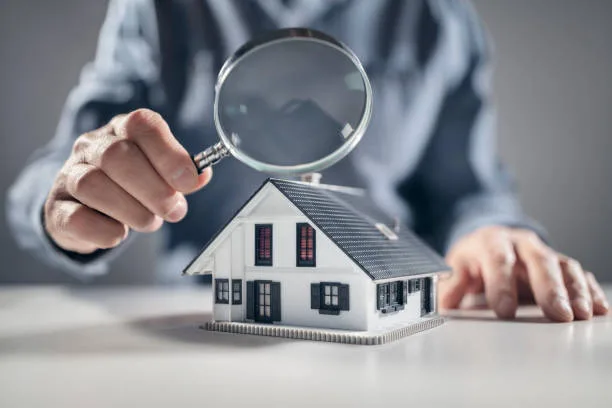
A home isn’t just built; it endures. Beneath quiet walls and steady floors, systems work through years of weather, wear, and time. In a city like Chicago, where freezing winters and humid summers push homes to their limits, something as precise as a home inspection in Chicago becomes a window into how well a home holds up when conditions aren’t forgiving.
7 Ways to Keep Your Home’s Core Systems Running Longer
Longevity isn’t accidental; it’s built through attention to what most people overlook.
1. Schedule Your Maintenance
Rather than solving an issue when the issue has been translated into a major problem, it is better to conduct scheduled maintenance. Waiting for something to break is the fastest way to shorten its lifespan, hence it is important to invest in a constant upkeeping of the system as it allows for smooth functioning. Schedule your maintenance in such a way that your HVAC servicing, plumbing checks as well as electrical inspection are made timely. This is a proactive approach that will aid you in the long run, as it will prevent any sudden breakdowns.
2. Make Small Changes that Leave Big Impact
When you invest in simplest action, it means you’re protecting your home. This is because when you replace your air filters or reduce strain on HVAC units, you are saving yourself from a huge cost. Moreover, by sealing minor leaks it could prevent water damage and eventually protect your walls or foundations. By tightening the loose connections within your home, you can reduce the chances of electrical inefficiencies. These make small changes far better than heavy costing damages at a later stage. With more consistent efforts you can keep systems stable and prevent any kind of stress that could lead to early wear.
3. Understanding Your Home Systems
Your home is functional on multiple systems. Each system has its own lifecycle, including furnaces and water heaters. Thus, it is important to know their age as it helps you anticipate their performance and see if the decline is near or not. Systems that are older could result in failures, which could lead to hefty costs. It becomes essential for you to plan upgrades accordingly so that you stay in control rather than dealing with unexpected disruptions.
4. Checking Water Systems
Water might actually be quietly destructing your interior. Water damage rarely starts as a visible problem; it is only visible once the damage goes out of control. It becomes visible through slow leaks or poor drainage, that is when action must be taken. Water damage could significantly cost the property as it weakens the wooden structure and interferes with electrical systems causing fires or short circuits. Thus, to reduce this silent damage, there is a need to constantly conduct inspections. By regularly checking for damp spots and making sure proper ventilation is being conducted, you can prevent further deterioration.
5. Fixing Hidden Damages
Most damages that cost long-term losses are not visible. These are under surface problems that take a lot of time to fix. Termites, wood rot as well as other wood-destroying organisms could greatly compromise your home’s structural integrity. It is highly important to conduct a timely WDO inspection that aids in identifying these threats early on. Moreover by addressing these at the right time you can protect your home from structural damage and maintain a healthy system within your homes.
6. Build Efficient Systems
When the systems are forced to work harder, they will most likely collapse as a result of this. Thus, it is very important to create faster but vital systems. This means fixing dirty filters, getting rid of outdated components and making sure you do not have poor installation at your place. If these are not timely fixed, they will add workload onto the HVAC, plumbing, as well as electrical systems. The overload would then cause the eventual collapse, that could become extremely costly for the homeowners. If you wish to make these systems more efficient, then you must upgrade and clean on time so that any unnecessary strain is reduced.
7. Having a Healthy Airflow
Airflows are essential as they play an important role in maintaining the infrastructure. Any blocked vent, poor insulation or even trapped heat could result in an overall imbalance within the systems. Moreover, excess heat can strain these electrical systems, while poor ventilation could increase the moisture levels. To avoid these, focus on building a healthy airflow system that ensures your home function in a balanced environment. By taking simple steps such as keeping vents unobstructed and ensuring you have a proper attic, you can create a major difference in how your home retains a healthy environment.
Conclusion
Homes don’t fail overnight; they wear down in silence. The more you notice, the longer they last. Care isn’t complicated, it’s consistent, and it always pays off in time, protecting both comfort and long-term value.