
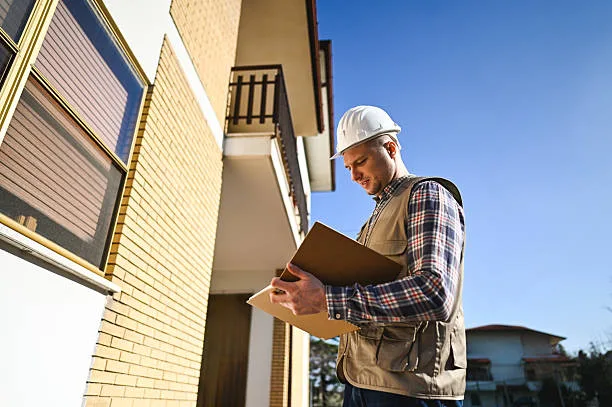
Modern technology is transforming industries everywhere, and property valuations are no exception. Tools like AI-powered analytics, drones, and smartphones are transforming domestic surveillance as a limited technique with precision instead of guesswork
Ways Technology Elevates Home Inspection Accuracy
Ready to see how innovation is rewriting the rules of property evaluation? Let’s dive in.
1. Using Drone Imaging for Roofs
Drones have been a breakthrough in terms of tech involvement in home inspections. These provide high-resolution aerial views of rooftops and give you an image of the exterior. These images could then predict faults that might exist within an infrastructure. Inspectors can spot these damages without having to climb roofs. This eventually reduces the risks and increases accuracy.
2. Thermal Imaging Cameras to Locate Issues
Often times hidden issues can become a key reason as to why a property risk could rise. Thermal cameras are great at detecting these hidden problems which could typically include insulation gaps or water leaks. This could also be in the shape of electrical hotspots, that increases the risks of damage in the future. The technology eventually uncovers problems that are usually invisible to the naked eye, making sure a more thorough inspection is conducted.
3. AI and Data Analytics
Artificial intelligence has been groundbreaking when it comes to technological advancements. The AI powers and processes inspection data that is attained through imaging. The data via AI can then identify the various patterns while predicting any potential risks that could emerge from the data presented. It helps the inspectors move beyond the surface level checks to a deeper understanding of the property.
4. Moisture Sensors
Moisture sensors that are embedded in walls or on floors can detect dampness. These are smart moisture sensors which report leakages in the walls at an early stage. As you know, excessive moisture could greatly impact homes through mold growth and structural damage, hence it is important to detect it early on. Leading to a more comfortable buying and selling of the property.
5. Mobile Inspection Applications
Nowadays, all online activities are taking place through the usage of applications. Digital applications are streamlining reports, especially in context of home inspection. This allows inspectors to record findings instantly and be able to share them with their clients. Looking at the properties in Los Angeles, the competition is high. This competition is present as homes receive multiple offers within days. To tackle the competition, it is important to technologically equip the company and streamline work on applications so that buyers and sellers have the clarity.
6. Virtual Reality and Buyer Experience
Virtual reality could become the perfect way through which home inspection can be conducted. This is not only essential for buyers but also for the sellers to experience the property remotely. Inspectors can end up highlighting the issues in real-time. This way the process will become more transparent and give first-hand experience to the buyers.
7. Using Cloud Computation
Inspection reports should be stored in the cloud. This makes information accessible to clients. It will be able to provide you with real-time data without you having to connect with inspectors every time. It also ensures records are secured from any data breach. Not only this, but it also significantly organizes the documents for the buyers and sellers.
8. Smart Homes
The term “smart homes” is on the rise wherein households with connected devices are being readily sold. This is because factors such as smart thermostats and energy monitors manage the homes. It not only aids the buyers but also the inspectors as they are able to attain data on performance immediately. In areas such as Los Angeles County where smart homes are common, this integration becomes highly essential.
9. Tech-based Maintenance Tools
HVAC and plumbing are two areas that often require repairs. By introducing a tech-based maintenance tool that can predict these failures, home inspection becomes efficient. This is valuable in the context of older housing stock as this is where maintenance is more proactively required. As these failures can eventually cost significantly, timely repairs can always aid the buyers and sellers.
10. Reducing Costs
What technology eventually does is reduce home inspection cost. Modern tools can improve accuracy and help manage expenses. An example of this is the usage of drones to check for issues so that labor time and errors are reduced. In high-demand areas such as Los Angeles, this aids in achieving efficiency.
Conclusion
As real estate becomes more competitive, the home inspection industry is experiencing rapid growth. Advanced tools are increasingly being adopted in California, where home inspections in Los Angeles County are utilizing smart homes to aid productivity and efficiency.