
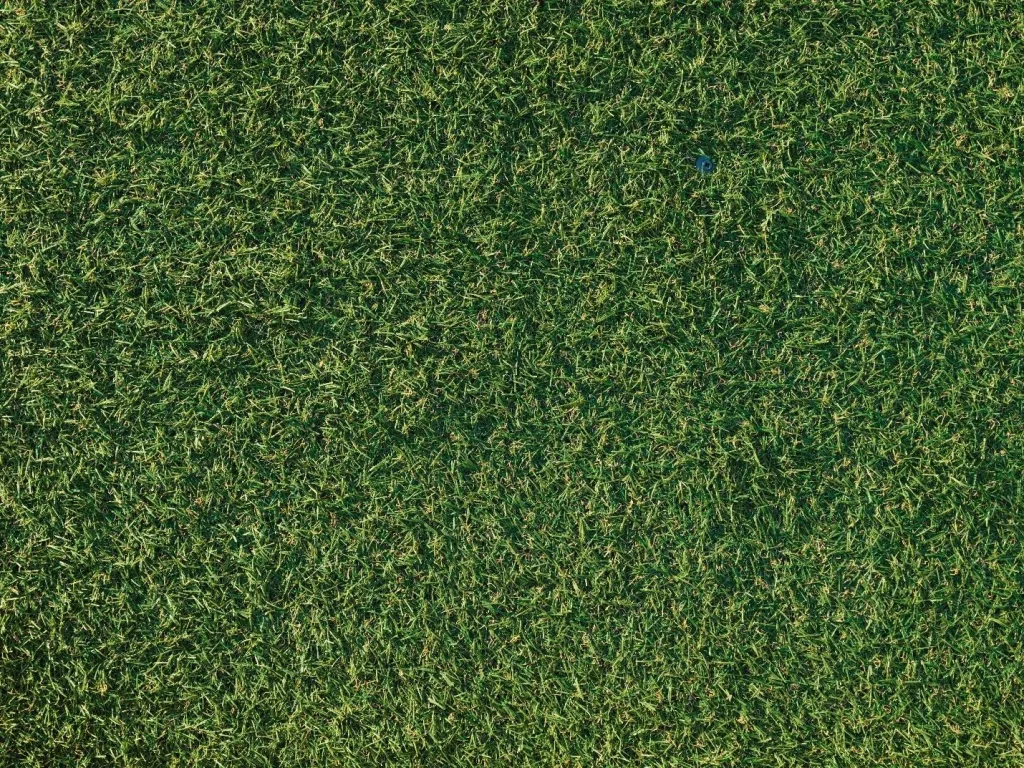
Modern office design plays a critical role in employee satisfaction, productivity, and brand perception. As workplaces continue to evolve beyond traditional cubicles and fluorescent lighting, businesses are increasingly prioritizing environments that feel inviting, contemporary, and functional. One design solution gaining attention is artificial grass. When used thoughtfully, artificial grass can instantly refresh office spaces, introduce visual interest, and contribute to a modern aesthetic without extensive renovations. Its versatility makes it an appealing option for organizations seeking to enhance both form and function within their workplaces.
Creating a Visually Appealing and Contemporary Atmosphere
First impressions matter, especially in professional environments where clients, partners, and potential employees frequently visit. Artificial grass introduces a natural, vibrant element that contrasts with neutral walls, metal finishes, and standard commercial flooring. This contrast creates visual balance and can soften otherwise sterile interiors.
In reception areas, lounges, or collaborative zones, artificial grass serves as a statement design feature that signals creativity and forward thinking. It allows offices to incorporate biophilic design principles without the unpredictability of live plants. By adding texture and color, artificial grass helps modernize spaces while maintaining a polished and intentional appearance aligned with contemporary design trends.
Enhancing Employee Well-Being and Workplace Comfort
Employee well-being is closely linked to workplace design. Studies consistently show that environments inspired by nature can reduce stress, improve focus, and support overall job satisfaction. Artificial grass visually evokes outdoor settings, providing psychological benefits even when natural light or greenery is limited.
Break rooms, wellness areas, and indoor relaxation zones benefit particularly from artificial grass installations. These spaces encourage employees to recharge and step away from formal workstations without leaving the building. Unlike traditional flooring, artificial grass offers a softer underfoot feel, enhancing physical comfort in areas designed for movement or informal seating. This thoughtful design element contributes to a workplace that values both productivity and employee care.
Supporting Flexible, Multi-Use Office Layouts
As hybrid work models and collaborative environments become more common, office layouts are increasingly fluid. Artificial grass supports this flexibility by functioning well in multi-use spaces. It can define zones without the need for permanent walls or extensive construction, allowing offices to adapt layouts as needs change.
For example, artificial grass can visually separate collaboration areas from desk spaces or create designated zones for workshops and team meetings. Its durability allows it to withstand high foot traffic and furniture use, making it suitable for dynamic work environments. This adaptability aligns with modern office design strategies focused on maximizing space utilization and future-proofing workplace investments.
Reducing Maintenance and Long-Term Costs
One of the most practical advantages of artificial grass in office spaces is its low maintenance profile. Unlike natural grass or plant installations, artificial grass does not require watering, trimming, fertilizing, or pest control. This simplicity reduces ongoing maintenance expenses and eliminates disruptions during work hours.
Additionally, artificial grass is designed for durability and longevity. High-quality options maintain their appearance over time, resisting wear from foot traffic and furniture placement. Offices that choose artificial grass from NexGen Lawns benefit from a solution that balances aesthetic appeal with operational efficiency. Over the long term, these savings can make artificial grass a cost-effective design investment compared to traditional flooring or live greenery.
Supporting Sustainability and Cleanliness Goals
Sustainability is a growing priority for modern businesses, and office design choices play an important role in meeting environmental goals. Artificial grass eliminates the need for water consumption associated with natural grass installations, making it a resource-efficient option. Many products are also designed with recyclable materials, supporting broader sustainability initiatives.
From a cleanliness perspective, artificial grass is well-suited for indoor office use when properly installed. It does not shed soil, attract insects, or produce allergens commonly associated with live plants. Routine cleaning keeps it hygienic and visually appealing, supporting workplace health standards without added complexity.
Customization and Branding Opportunities
Artificial grass offers significant customization potential, allowing offices to integrate branding and design identity seamlessly. It can be used to frame company logos, accent meeting spaces, or highlight collaborative zones with custom layouts or integrated design elements. This flexibility enables businesses to create distinctive environments that reinforce brand values and culture.
By incorporating artificial grass into modern office design, companies signal innovation and creativity while remaining professional. This balance is particularly appealing to organizations in industries that value originality, employee engagement, and memorable client experiences.
Conclusion
Artificial grass offers a versatile, modern solution for refreshing office spaces without major renovations. By enhancing visual appeal, supporting employee well-being, enabling flexible layouts, and reducing maintenance demands, it aligns with the evolving needs of today’s workplaces. Its ability to blend aesthetic impact with practical benefits makes artificial grass an effective design element for organizations seeking to modernize their offices. When incorporated thoughtfully, artificial grass transforms work environments into welcoming, forward-looking spaces that support both performance and culture.