
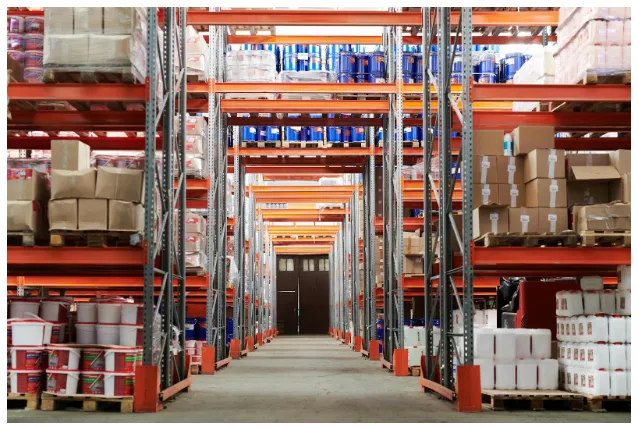
Shipping efficiency plays a significant role in business performance. Companies that move products quickly and accurately maintain better customer relationships, reduce operating costs, and stay competitive in fast changing markets. Improving shipping efficiency requires thoughtful planning, reliable systems, and tools that help streamline the movement of goods. Understanding how businesses can optimize shipping provides a foundation for stronger operations across the entire supply chain.
Accurate Planning Improves Timing and Reduces Delays
Many shipping delays occur due to poor planning. Inaccurate forecasts, incomplete scheduling, and mismanaged workflows can all cause disruptions. Businesses that take time to analyze seasonal trends, customer patterns, and historical data gain more accurate insight into their shipping needs. This understanding makes it easier to plan ahead and reduce the likelihood of unexpected issues. Modern digital tools, including systems that incorporate a freight matching platform, support better planning by predicting transportation needs and identifying the most efficient carrier arrangements.
Better Communication Strengthens the Shipping Process
Communication failures often lead to confusion, missed deadlines, and frustrated customers. Clear communication throughout the shipping process helps prevent misunderstandings and keeps all parties informed. Customers appreciate updates that confirm order processing, shipping timelines, and delivery details. Internally, consistent communication helps teams stay aligned on inventory levels, packing schedules, and transportation availability. When everyone involved in the shipping process shares the same information, operations run more smoothly and with fewer errors.
Route Optimization Improves Speed and Reduces Costs
Shipping efficiency depends heavily on how goods move from one place to another. Route optimization software identifies the most direct and efficient paths for carriers while considering factors such as traffic, weather, and delivery windows. This technology helps reduce fuel costs, minimize delays, and support consistent delivery times. Businesses that use optimized routes often experience improved reliability and lower transportation expenses. Route planning continues to grow in importance as companies search for ways to maintain fast delivery speeds without increasing operational spending.
Technology Supports Faster and More Accurate Processing
Technology is one of the most powerful tools available for improving shipping efficiency. Automation assists with tasks such as labeling, sorting, scanning, and packing. These systems help reduce manual errors and speed up the handling of high volume shipments. Digital tracking tools allow businesses to monitor packages throughout their journey, giving them the ability to respond quickly when unexpected delays occur. Platforms that include a freight matching platform also help match shipments with available carriers in real time, reducing empty miles and improving transportation efficiency.
Inventory Accuracy Supports Timely Shipping
Shipping efficiency is closely tied to inventory management. When businesses maintain accurate and up to date inventory levels, they can fulfill orders more quickly. Poor inventory management leads to overselling, delayed restocking, and unnecessary waiting periods for customers. By improving inventory accuracy, companies reduce the risk of stockouts and ensure that products are ready for immediate shipment. Real time inventory systems help businesses maintain accurate counts and avoid sending incorrect or incomplete orders.
Packaging Plays a Role in Shipping Efficiency
Packaging might seem unrelated to efficiency, but it plays a significant role in how quickly products can be prepared and shipped. Well designed packaging makes it easier to pick, pack, and label orders. It also reduces the risk of damage during transportation, which prevents costly returns and reshipments. Businesses benefit from reviewing their packaging processes regularly to ensure they support fast and accurate fulfillment.
Training Employees to Work Efficiently
Employees play an essential role in shipping performance. When team members understand proper packing techniques, labeling systems, and shipping protocols, they work more efficiently and make fewer errors. Training also increases confidence and reduces the amount of time needed to correct mistakes. Businesses that invest in education and hands on guidance develop teams that support fast, accurate, and reliable shipping processes.
Continuous Improvement Keeps Shipping Systems Strong
Shipping efficiency is not a one time goal. It requires continual evaluation and adjustments based on changing conditions. Regular performance reviews, feedback from customers, and data analysis help businesses identify weak points and implement improvements. This ongoing process supports long term reliability and strengthens customer satisfaction.
Conclusion
Shipping efficiency supports customer satisfaction, lowers operational costs, and strengthens supply chain performance. By investing in accurate planning, strong communication, modern technology, inventory accuracy, employee training, and continuous improvement, businesses can create a more efficient and dependable shipping process that supports long term growth.