
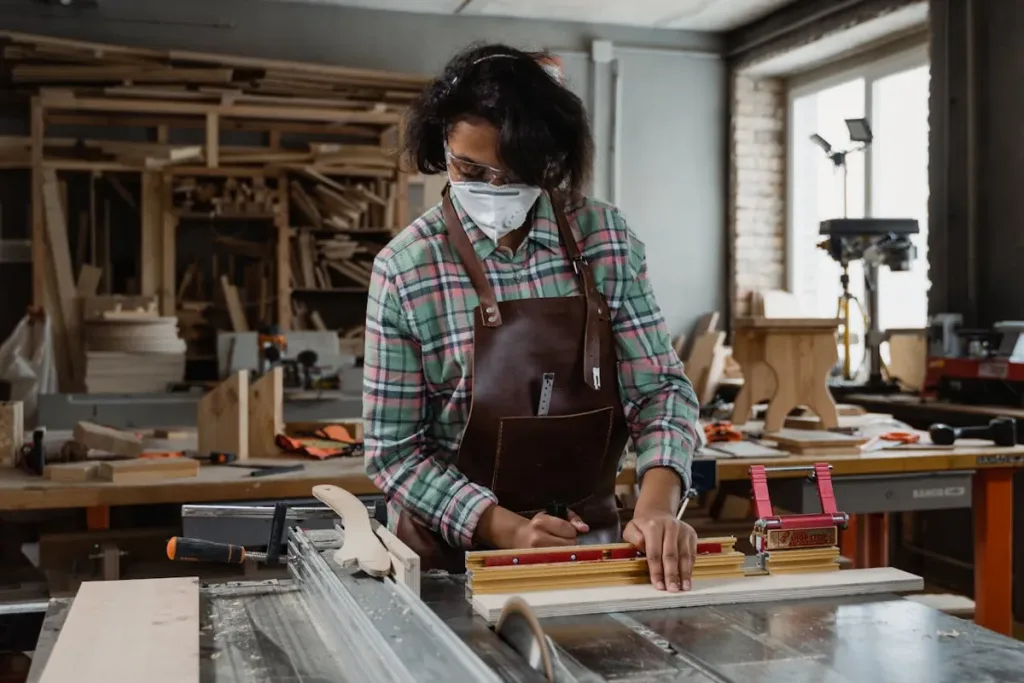
Carpentry and furniture-making businesses remain one of the most in-demand small enterprises in the Philippines and beyond. From customized home furniture to office fixtures, there’s a steady market for handcrafted and bespoke woodwork.
If you have the skill or passion for working with wood, this business can be both profitable and creatively fulfilling — even with low startup capital.
Step-by-Step Guide to Starting a Carpentry or Furniture-Making Business
Step 1: Learn or Refine Your Carpentry Skills
Before you start, make sure you or your workers have the technical knowledge for:
- Measuring and cutting wood accurately
- Assembling and finishing furniture
- Reading blueprints or design sketches
Tip: Enroll in TESDA’s Furniture Making NC II or Carpentry NC II courses. These certifications boost credibility and help you land clients faster.
Step 2: Decide Your Niche or Product Line
Don’t try to make everything at once. Choose your niche based on market demand:
Niche examples:
- Custom wood furniture (tables, cabinets, chairs)
- Home décor (shelves, picture frames, lamps)
- Office and restaurant furniture
- Wood crafts for online selling
Step 3: Create a Business Plan for Your Furniture-Making Business
Include these key points in your business plan:
- Target market: homeowners, offices, contractors, or furniture resellers
- Startup capital and tools list
- Pricing strategy: cost + labor + profit margin
- Marketing plan: online + word-of-mouth
Step 4: Secure a Workshop Space
You’ll need at least 20–30 square meters of workspace with ventilation and electricity.
If you’re starting small:
- Use your garage or backyard as your workshop
- Make sure it’s safe and has space for raw materials and finished furniture
Step 5: Gather Tools and Materials
Basic Carpentry Tools and Equipment for Your Furniture-Making Business:
| Tool | Estimated Cost (PHP) |
|---|---|
| Circular saw | ₱5,000 – ₱10,000 |
| Power drill | ₱2,000 – ₱5,000 |
| Planer | ₱3,000 – ₱6,000 |
| Hammer, chisels, screwdrivers | ₱2,000 – ₱3,000 |
| Measuring tools | ₱1,000 – ₱2,000 |
| Sandpaper and paintbrushes | ₱500 – ₱1,000 |
Initial Materials:
- Plywood, hardwood, or MDF
- Nails, screws, varnish, paint, and glue
Estimated Startup Capital:
₱30,000 – ₱80,000 (home-based setup)
₱100,000 – ₱300,000 (small commercial workshop)
Step 6: Register Your Business
To operate legally, complete your business registration:
- Barangay clearance and Mayor’s permit
- DTI business name registration (if sole proprietorship)
- BIR registration for official receipts
Tip: If you plan to supply furniture to offices or LGUs, BIR and DTI registration are must-haves.
Step 7: Build Your Brand and Market Online
Use social media to showcase your projects:
- Create a Facebook Page or Instagram account with before-and-after photos
- Post videos of your furniture-making process
- Join Facebook Marketplace or Carousell for free listings
Consider offering custom orders — people love personalized furniture.
Step 8: Manage Costs and Pricing
Compute your costs properly:
Sample Costing Example (for a wooden table):
| Item | Cost (PHP) |
|---|---|
| Materials | 1,500 |
| Labor | 800 |
| Overhead (electricity, transport) | 200 |
| Total Cost | 2,500 |
| Selling Price | ₱4,000 – ₱5,000 |
Profit Margin: 40–60% per item
Step 9: Scale and Diversify
Once your shop is stable:
- Offer custom-built cabinetry or interior woodworks
- Collaborate with architects or interior designers
- Open a small showroom or online store
Profit and ROI Estimate
| Business Size | Startup Cost | Monthly Income | ROI Timeframe |
|---|---|---|---|
| Home-based | ₱30,000 – ₱80,000 | ₱15,000 – ₱40,000 | 4–6 months |
| Small Workshop | ₱100,000 – ₱300,000 | ₱50,000 – ₱120,000 | 6–10 months |
Profit Tip: Focus on custom or luxury wood furniture — higher margins than mass-produced items.
Pro Tips for Success
- Use sustainable and local wood for better pricing.
- Offer delivery and installation services.
- Build long-term clients with contractors and interior designers.
- Post detailed before-and-after shots — visual trust sells.
Frequently Asked Questions (FAQ)
Q1: How much does it cost to start a furniture-making business?
A small home-based setup can start with ₱30,000–₱80,000, including tools and materials.
Q2: Is carpentry a profitable business?
Yes. With good craftsmanship and consistent orders, expect 40–60% profit margins.
Q3: Do I need a business permit for small furniture shops?
Yes, especially if you plan to sell online or to companies. Get your DTI, Barangay, and BIR permits.
Q4: Can I run a carpentry business from home?
Absolutely. A garage or backyard is enough to start. Just ensure safety and ventilation.