
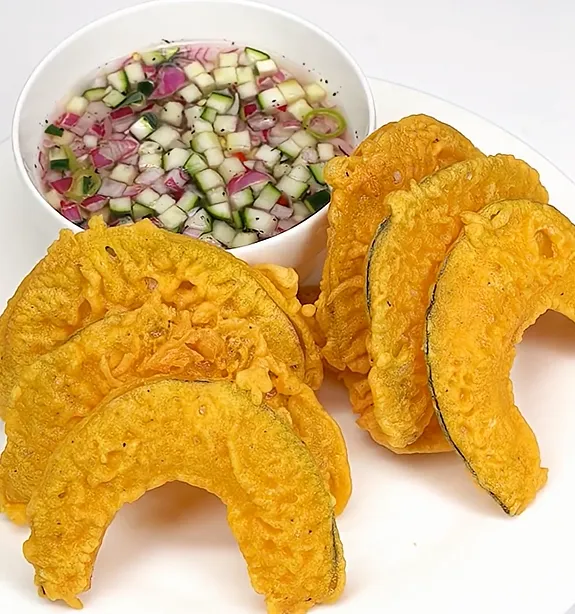
Kalabasa (squash) has long been a staple in Filipino kitchens — often used in ginataang gulay, soups, and fritters. Recently, however, food innovators and home entrepreneurs have discovered a creative new way to turn this humble vegetable into a crunchy, irresistible treat — much like kangkong chips and sitao fries — introducing the Kalabasa Chips.
These thin, golden slices deliver a satisfying crunch and a slightly sweet, earthy flavor that makes them a healthier alternative to traditional potato chips. With the right breading and dipping sauce, they become an exciting snack for kids, adults, and even health-conscious consumers.
And here’s the best part — kalabasa chips are profitable to make. With affordable ingredients and simple preparation, anyone can start producing them at home and selling in local markets, school canteens, or online food shops. Whether you’re a first-time entrepreneur or a home cook looking for a new side hustle, this guide will walk you through every step of making crispy, golden kalabasa chips — from slicing and battering to frying, saucing, packaging, and marketing.
What Makes Kalabasa Chips Special
Kalabasa is packed with nutrients — high in Vitamin A, beta-carotene, and fiber. When turned into chips, it becomes a snack that’s both crunchy and guilt-free. Compared to deep-fried potato snacks, kalabasa chips contain fewer calories and more antioxidants.
Moreover, they’re locally sourced and easy to grow, making them sustainable and cost-effective for small businesses. Their bright orange color and natural sweetness also appeal to children and adults alike, giving them strong market potential in today’s health-focused snack scene.
Ingredients for Crispy Kalabasa Chips
Here’s a simple, beginner-friendly list of ingredients for making one small batch (around 4 servings):
- 2 cups thinly sliced kalabasa (squash)
- ½ cup all-purpose flour
- ¾ cup cornstarch
- ¼ teaspoon salt
- ¼ teaspoon black pepper
- ½ cup cold water
- 1 egg (beaten)
- A few drops of yellow food coloring (optional, for color enhancement)
- Cooking oil, for deep frying
Vinegar Dipping Sauce:
- 1 cup vinegar
- 1 cup water
- 5 tablespoons sugar
- 4 cloves garlic, minced
- ½ teaspoon black pepper
- 1 piece cucumber, diced
- 3 pieces onion, sliced
- 3 pieces green chili
- 3 pieces red chili
This simple sauce provides a perfect balance of tangy, sweet, and spicy flavors, making it the ideal dip for crispy vegetable chips.
How to Make Kalabasa Chips
Step 1: Prepare the Kalabasa
- Wash the kalabasa thoroughly and peel off the skin.
- Slice thinly (as thin as potato chips) using a sharp knife or mandoline slicer. The thinner the slices, the crispier the chips.
- Pat dry using a clean towel to remove excess moisture.
Step 2: Make the Batter
- In a bowl, mix flour, cornstarch, salt, and pepper.
- Add the beaten egg and cold water gradually, stirring until you achieve a smooth, light batter.
- Add a few drops of yellow food color to enhance the golden look.
The batter should be thin enough to coat each kalabasa slice evenly but not too watery.
Step 3: Coat the Slices
- Toss the kalabasa slices in the batter until each piece is well coated.
- Let the excess batter drip off before frying.
Step 4: Fry Until Golden and Crisp
- Heat cooking oil in a deep pan over medium heat.
- Fry the coated kalabasa slices in small batches to avoid overcrowding.
- Cook until light golden brown and crisp.
- Remove and drain excess oil on paper towels or a wire rack.
Step 5: Make the Vinegar Sauce
In a mixing bowl, combine vinegar, water, sugar, minced garlic, diced cucumber, chopped onions, green and red chilies, and ground pepper.
Stir well until the sugar is fully dissolved.
Let it rest for about 10–15 minutes to allow the flavors to blend before serving as a dipping sauce.
The combination of crispy kalabasa chips and this tangy vinegar sauce delivers a balance of sweetness, spice, and crunch that keeps customers coming back for more.
Estimated Cost and Profitability
| Ingredient | Estimated Cost (₱) |
|---|---|
| Kalabasa (½ kilo) | 25 |
| Flour, cornstarch, egg | 15 |
| Oil and condiments | 10 |
| Vinegar sauce ingredients | 15 |
| Total Cost per batch | ₱65 |
From one batch, you can make around 6–8 servings, each sold for ₱25–₱35. That means a total potential income of ₱200–₱280, yielding around ₱120–₱150 profit per batch.
Scaling production can significantly increase profitability, especially if you start packaging and branding your chips for retail or delivery.
Packaging and Shelf Life
To make your product appealing and shelf-stable:
- Use resealable pouches or transparent food-grade plastic to display the chips’ bright color.
- Label with your brand name, ingredients, and nutritional info.
- Store in a cool, dry place to maintain crispiness for up to 5 days.
- For commercial distribution, use a food dehydrator or oven to reduce oil content and extend shelf life.
Marketing Tips for Small Entrepreneurs
- Highlight Health Benefits:
Emphasize that your kalabasa chips are made from a natural, vitamin-rich vegetable — perfect for health-conscious eaters. - Leverage Social Media:
Post behind-the-scenes videos on TikTok or Facebook showing how your chips are made. Use captions like “Healthy never tasted this good!” - Sell in Local Cafés and Schools:
Partner with small stores, school canteens, and weekend markets. Offer free samples to attract buyers. - Bundle with Other Veggie Chips:
Pair your kalabasa chips with ampalaya or sitaw chips for a colorful, healthy snack set. This cross-promotion increases sales and product value. - Add a Homemade Touch:
Promote your chips as “home-crafted” and “made with local ingredients.” Filipino consumers love authentic, local flavors.
Scaling Up Your Kalabasa Chips Business
As demand grows, consider:
- Buying in bulk to reduce ingredient costs.
- Using a deep fryer or air fryer for consistent results.
- Hiring local helpers for slicing, frying, and packing.
- Exploring online delivery platforms like Foodpanda, GrabFood, or Shopee Food.
You can also register your business under DTI and secure FDA product approval once you scale beyond small-scale production.
Serving Ideas
Kalabasa chips go perfectly with:
- Grilled dishes or burgers
- Barbecue nights and picnics
- Healthy snack trays for kids
- Pulutan platters with vinegar dip
Their combination of crunch, color, and mild sweetness makes them versatile and appealing to a wide audience.
Conclusion: A Golden Opportunity for Small Entrepreneurs
In a world where people crave both flavor and wellness, Kalabasa Chips stand out as a perfect fusion of health and indulgence. They’re easy to make, affordable to produce, and flexible to market — everything a small food business needs to start strong.
So whether you’re a home cook experimenting with snacks or a budding entrepreneur looking for your next best-seller, this golden treat could be your gateway to success. Start small, test your recipe, and watch how a simple vegetable can turn into a profitable business idea.
Call to Action
Ready to start your own healthy snack venture?
Gather your kalabasa, fire up the fryer, and launch your very own Crispy Kalabasa Chips business today. It’s time to turn everyday vegetables into golden opportunities!
References
- https://www.youtube.com/@LokongKusinero/shorts https://youtube.com/shorts/HP0892MrVgg?si=Hev2XinsjQR1TsE0
- Department of Agriculture. (2023). Memorandum Order No. 13, s. 2023: On Vegetable Processing Center and related processing facilities [PDF]. Republic of the Philippines — Office of the Secretary. Retrieved from https://www.da.gov.ph/wp-content/uploads/2023/02/mo13_s2023.pdf
- Department of Agriculture. (2023). Memorandum Order No. 57, s. 2023: Guidelines on the Establishment of Fruits and Vegetable Processing Facilities in Camarines Sur [PDF]. Republic of the Philippines — Office of the Secretary. Retrieved from https://www.da.gov.ph/wp-content/uploads/2023/08/mo57_s2023.pdf
- Philippine Council for Agriculture, Aquatic, and Natural Resources Research and Development (PCAARRD). (2022). DOST-PCAARRD list of Grants-In-Aid (GIA) projects — production and processing technologies (selected) [PDF]. Retrieved from https://www.pcaarrd.dost.gov.ph/index.php/ts-documents/major-projects-programs-and-activities-beneficiaries-and-status-of-implementation/major-programs-and-projects/4057-2022-dost-pcaarrd-list-of-grants-in-aid-gia-projects/file
- Food and Nutrition Research Institute (FNRI-DOST). (2012). Menu Guide Calendar (MGC-2012) [PDF] — includes nutrient data for squash (kalabasa) and other vegetables. Retrieved from https://fnri.dost.gov.ph/images/images/standardtools/MenuGuideCalendar/MGC-2012.pdf
- DOST-FNRI. (2021). DOST-FNRI developed Food Technologies for Transfer and Commercialization [PDF]. (Compilation of small food technologies and processing notes.) Retrieved from https://dtinegosyocenter.online/sites/default/files/2021-09/DOST-FNRI-developed-Food-Technologies-for-Transfer-and-Commercialization_FINAL.pdf