
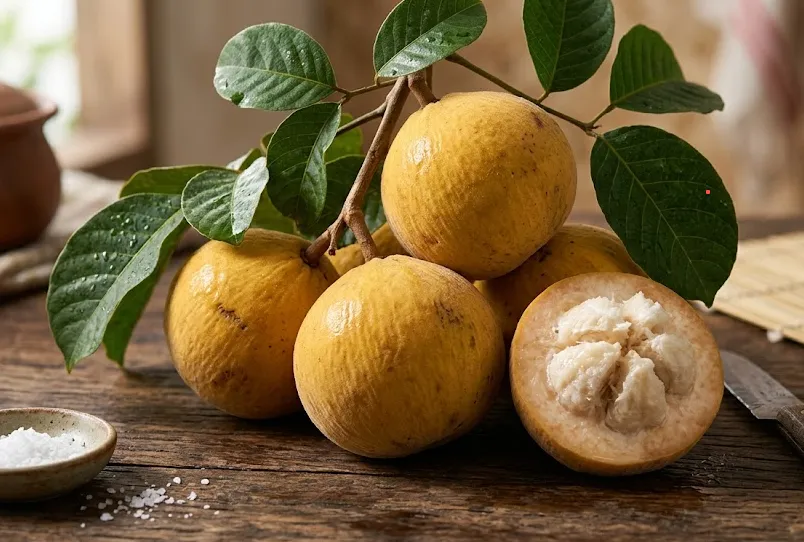
Filipinos are lifelong lovers of mouth-watering, sweet-sour fruits. While the banana and mango often take the spotlight, the Santol (Sandoricum koetjape) is quietly reclaiming its place as a nutritional powerhouse and a high-yield crop for Filipino farmers.
Whether you call it “wild mangosteen” or the “lolly fruit,” this tropical gem offers far more than just a nostalgic snack. Here is everything you need to know about the health benefits, medicinal uses, and business potential of Santol in 2026.
Nutritional Profile: What’s Inside a Santol?
Santol is a nutrient-dense fruit that supports overall wellness. Unlike many seasonal fruits, it provides a balanced mix of essential vitamins and minerals.
| Nutrient | Benefit to Body |
| Vitamin C | Boosts immunity and protects against cardiovascular issues. |
| Vitamin B (B1 & B3) | Promotes healthy cell metabolism and energy levels. |
| Fiber | Aids digestion and helps maintain healthy cholesterol levels. |
| Iron & Phosphorus | Supports blood health and bone strength. |
| Bryonolic Acid | Known for anti-allergy and anti-inflammatory properties. |
5 Surprising Health Benefits of Santol
1. Natural Immune System Booster
Rich in Vitamin C, Santol acts as a natural shield against common infections. In an era where immunity is a top priority, adding Santol to your diet provides the antioxidants needed to fight free radicals.
2. Promotes Dental Health
Did you know chewing Santol can help prevent cavities? The act of eating the fruit stimulates saliva production, which lowers bacterial levels in the mouth and naturally cleanses teeth.
3. Anti-Allergy & Anti-Inflammatory Properties
Scientific studies have shown that Santol pulp contains bryonolic and sandorinic acids. These compounds are being studied for their ability to reduce allergic reactions, making Santol a potential natural remedy for those with sensitive systems.
4. Skin Health & Ringworm Treatment
In traditional Filipino medicine, the bark of the Santol tree is used to treat fungal infections like ringworm. The bark contains steroidal sapogenins, which can be chemically synthesized into cortisones for skin disease treatments.
5. Post-Pregnancy Recovery
The aromatic, astringent roots of the Santol tree have long served as a traditional tonic for women after childbirth, helping the body recover more quickly.
Culinary Versatility: Beyond the Raw Fruit
Santol is no longer just a backyard snack; it is a staple in the Philippine “Farm-to-Table” movement.
- The Ultimate Souring Agent: Santol-based Sinigang offers a complex, fruity tartness that many chefs now prefer over commercial tamarind mixes.
- Jams and Preserves: The rind, when boiled with sugar, creates high-quality marmalades that are growing in popularity in export markets like the US and Europe.
- Santol Wine: Overripe fruits aren’t wasted; they are fermented with rice to create a healthy, localized alcoholic beverage.
Farming Santol: A High-Yield Business Opportunity
For the Filipino entrepreneur, Santol is a “low-maintenance, high-return” crop.
- Massive Productivity: A full-grown, healthy tree can produce between 18,000 to 24,000 fruits per year.
- Hardy Nature: It flourishes in various soil types and can survive prolonged dry seasons in Philippine lowlands.
- Low Maintenance: For commercial grades, the tree only requires fertilization twice a year. It is easily reproduced through seeds, air-layering, or budding.
- Commercial Growth: While native varieties are beloved, “Bangkok Santol” varieties are currently in high demand for their larger size and sweeter pulp.
The Future of Santol in the Philippines
The Department of Agriculture (DA) continues to promote indigenous crops to ensure food security. By improving harvesting and post-harvesting techniques, Santol can transition from an “ignored resource” to a major contributor to the Filipino farmer’s income.
As we look toward sustainable food sources in 2026, the Santol stands out as a fruit that is easy to grow, healthy to eat, and profitable to sell.
———
Sources:
1. Santol. Sandoricum koetjape Merr. Retrieved from: https://www.stuartxchange.org/Santol.html
2. Fruits of Warm Climates. Julia F. Morton, Miami, FL. 1987. Santol, p. 199-201. Retrieved from: https://www.hort.purdue.edu/newcrop/morton/santol.html