
In today’s crowded marketplace, standing out requires more than a quality product or competitive pricing. Businesses are judged on how clearly they communicate who they are, what they stand for, and why customers should care. Without a clear direction, even strong companies can struggle to connect with their audiences or differentiate themselves. This is where a thoughtful, well-defined brand strategy becomes essential for long-term success.
The Role of Brand Strategy in Business Growth
Brand strategy acts as the foundation for every marketing and communication decision a business makes. It defines purpose, values, positioning, and personality, ensuring all efforts move in the same direction. When these elements are clearly articulated, businesses can build recognition, trust, and credibility more effectively.
Without a strategic framework, branding efforts often become fragmented. Messaging changes from one campaign to the next, visuals lack cohesion, and customers receive mixed signals. A strategic approach helps eliminate confusion and ensures the brand delivers a consistent experience at every touchpoint.
Moving Beyond Visual Design
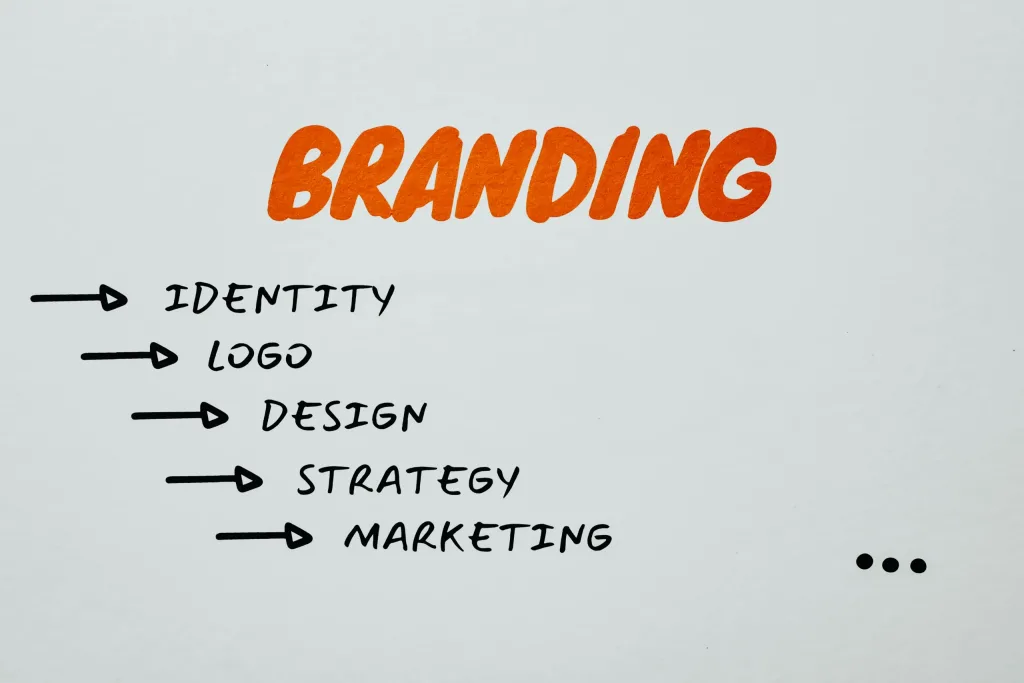
Many companies assume branding begins and ends with logos, colors, and typography. While visual identity matters, it is only one part of a much larger system. True brand strategy focuses on how a business communicates, behaves, and connects emotionally with its audience.
Professional guidance helps businesses uncover the deeper story behind their brand. This includes understanding customer motivations, defining a clear value proposition, and aligning internal culture with external messaging. When these elements are in sync, branding becomes meaningful rather than cosmetic.
Gaining Clarity Through Research and Insights
One of the most valuable aspects of professional brand development is the research phase. This process examines the competitive landscape, audience expectations, market gaps, and internal strengths. These insights reveal opportunities that might otherwise be overlooked.
Through structured discovery and analysis, businesses gain clarity about where they fit in the market and how they can position themselves for maximum impact. This clarity informs everything from marketing campaigns and website content to sales conversations and customer experience strategies. Investing in brand strategy services ensures decisions are driven by insight rather than assumptions.
Creating Consistency Across All Channels
Consistency is one of the strongest drivers of brand trust. Customers expect the same tone, message, and experience whether they interact with a business online, in person, or through advertising. Without clear guidelines, consistency becomes difficult to maintain as teams grow and channels expand.
A professional brand strategy provides documented frameworks that align teams internally. These guidelines help marketing, sales, and leadership communicate with a unified voice. Over time, consistent delivery strengthens recognition and reinforces credibility, making the brand easier to remember and trust.
Supporting Long-Term Adaptability
Markets evolve, customer expectations change, and businesses grow into new spaces. A strong brand strategy is designed to support this evolution rather than restrict it. Instead of reacting to trends or rebranding impulsively, businesses can adapt thoughtfully while protecting their core identity.
Professionally developed strategy clarifies what should remain constant and what can evolve. This balance allows brands to modernize, expand, or reposition without losing the trust they have built. It also reduces risk by ensuring changes align with long-term goals rather than short-term pressures.
Aligning Internal Teams and External Perception
Brand strategy plays an important internal role as well. When teams understand the brand’s purpose and direction, they can make better decisions and work with greater confidence. Employees become advocates who contribute to a consistent brand experience through their interactions and work.
Externally, a unified brand builds stronger emotional connections with customers. People are more likely to engage with businesses that feel authentic and purposeful. Over time, this alignment improves loyalty, referrals, and overall brand reputation.
Final Thoughts
Professional brand strategy is not a luxury reserved for large corporations. It is a practical investment for any business looking to grow with clarity and intention. By defining direction, improving consistency, and supporting adaptability, strategic branding strengthens how a business is perceived both internally and externally. When guided by expertise, brand development becomes a powerful driver of trust, recognition, and sustainable success.