
Manila, 29 October 2026 – In the Philippines, the “ber months” mark the run-up to the festive season, when family gatherings, shared meals and celebrations take centre stage. Behind the products available in shops, restaurants and catering businesses is an extensive supply network in which imports also play an important role. According to the Philippine Statistics Authority (PSA), the Philippines imported 173,200 tonnes of chicken meat in the final quarter of 2025, the highest quarterly volume recorded that year.
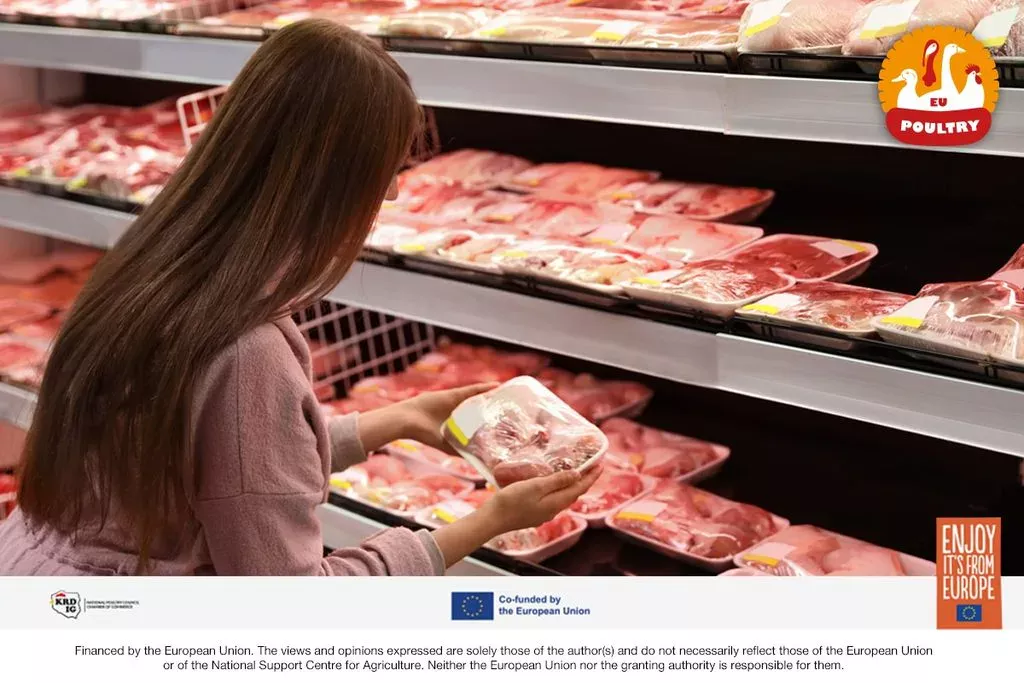
Year-end: A key period for poultry supplies
The Philippines imported a total of 545,700 tonnes of chicken meat in 2025. PSA figures show that almost a third of this volume arrived during the final three months of the year. Imports in the fourth quarter were also 39.1% higher than in the same period in 2024.
The European Union remained one of the sources of poultry meat supplied to the Philippine market. According to European Commission data, the EU exported approximately 67,300 tonnes of poultry meat to the Philippines in 2025, an increase of more than 63% compared with the previous year.
When products are sourced from different markets, availability is not the only consideration. The standards under which they are produced also matter. For importers and distributors, information on product origin, documentation and veterinary requirements is an essential part of international food trade. For consumers, knowing where a product comes from can be a starting point for understanding the standards behind its production.
Transparency throughout the supply chain
Poultry meat production in the European Union is governed by common regulations covering successive stages of the production chain, from poultry rearing conditions to slaughter, processing and distribution. These regulations cover areas such as food safety and hygiene, animal health and welfare, and the use of veterinary medicines. Compliance with these requirements is verified through official controls.
Traceability is a key part of this system. Food business operators in the EU must maintain information that allows them to identify who supplied their products and to whom they subsequently supplied them.
The use of antimicrobials, including antibiotics, is another regulated aspect of livestock production in Europe. Under EU rules, antimicrobials cannot be used to promote growth or increase productivity, while their preventive use is restricted to exceptional circumstances.
The responsible use of antimicrobials is also an important issue in the Philippines. The Philippine National Action Plan on Antimicrobial Resistance 2024–2028 adopts a One Health approach, recognising the links between human, animal and environmental health.
Does origin matter when choosing food?
The EU co-funded campaign “European Poultry – From Our Farms to Your Tables”, implemented in the Philippines, highlights the importance of product origin and the standards applied at different stages of production. The campaign aims to raise awareness of the European poultry sector and the standards covering poultry production, food safety, animal welfare and traceability.
During the “ber months”, these issues take on added significance as families prepare for festive gatherings and meals together. Knowing where food comes from may also play a part in choosing what to serve at the festive table.