
Companies that specialize in custom pieces offer a level of personalization that mass production cannot match. These businesses work closely with clients to transform ideas into tangible products that reflect specific needs, branding, or creative vision. From one of a kind décor to branded components and artistic elements, the process relies on a balance of communication, technical skill, and precision.
Understanding how custom pieces are created helps clients set realistic expectations and appreciate the craftsmanship involved. While every company has its own workflow, most follow a structured process that ensures accuracy, consistency, and quality. Each step plays a role in turning a concept into a finished piece that meets both functional and aesthetic standards.
Understanding the Client’s Vision
The process begins with a detailed conversation between the company and the client. During this stage, goals, preferences, and practical requirements are discussed in depth to ensure clarity on both sides. Clients may bring sketches, reference images, or simply an idea that needs refinement through professional guidance.
This phase is essential because it sets the foundation for every decision that follows. Measurements, materials, finishes, and intended use are all defined early to avoid changes later in production. Clear communication at this step allows companies to translate creative ideas into achievable designs without compromising quality or intent.
Design and Digital Planning
Once the concept is established, designers begin creating digital renderings or technical drawings. These files allow the company to visualize proportions, details, and structural integrity before any materials are used. Digital planning also enables precise adjustments that would be difficult or costly at later stages.
Advanced software plays a significant role in this process, especially for companies producing intricate or highly detailed work. Digital files can be reviewed with clients, revised if necessary, and approved before production begins. This step ensures alignment between expectations and the final outcome.
Material Selection and Preparation
Choosing the right materials is a critical part of creating custom pieces. Companies consider durability, appearance, weight, and compatibility with production methods when making material recommendations. Clients are often guided through options to ensure the final piece performs well in its intended environment.
Material preparation follows selection and may include cutting, sanding, sealing, or treating surfaces before fabrication. Preparing materials properly helps ensure consistency and reduces the risk of defects during production. This attention to detail contributes significantly to the longevity and finish of the final product.
Precision Fabrication and Production
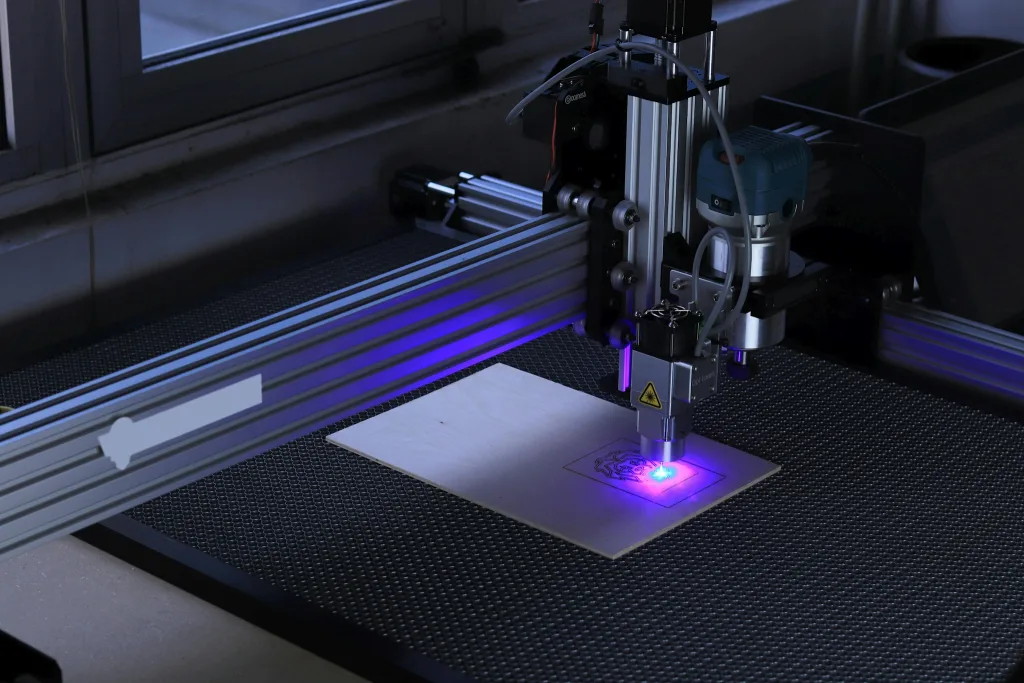
Fabrication is where designs come to life through carefully controlled processes. Depending on the project, this may involve cutting, engraving, machining, or assembling components with specialized equipment. Precision is critical, especially when working with detailed designs or tight tolerances.
Maintaining a clean and controlled production environment is essential during this stage. For example, facilities that rely on laser technology often prioritize air quality and particle control, making equipment like an air purifier for laser engraving an important part of daily operations. Clean air supports consistent results while also protecting both workers and sensitive equipment during fabrication.
Quality Control and Finishing Touches
Once the main fabrication work is complete, each piece undergoes thorough inspection. Quality control ensures measurements are accurate, finishes are even, and assembly meets the agreed specifications. Any imperfections identified during this stage are corrected before the piece is finalized.
Finishing touches may include polishing, painting, sealing, or additional detailing to enhance appearance and durability. This step elevates the piece from functional to refined. Taking the time to complete finishes carefully reinforces the craftsmanship behind custom work.
Client Review and Final Delivery
Before delivery, many companies invite clients to review their custom piece. This review offers reassurance that the project aligns with the original vision and provides an opportunity for final approval. Any small adjustments can be addressed efficiently at this stage.
Once approved, the piece is prepared for delivery or installation. Proper packaging and handling protect the item during transit, especially for delicate or complex projects. The end result is a finished custom piece that reflects collaboration, expertise, and attention to detail.
Conclusion
Creating custom pieces is a thoughtful process that combines creativity, technical planning, and skilled execution. Each stage, from the initial client discussion to final delivery, plays a vital role in producing a high quality result. By following a structured approach and prioritizing precision at every step, companies can consistently deliver custom work that meets both functional needs and creative expectations.