
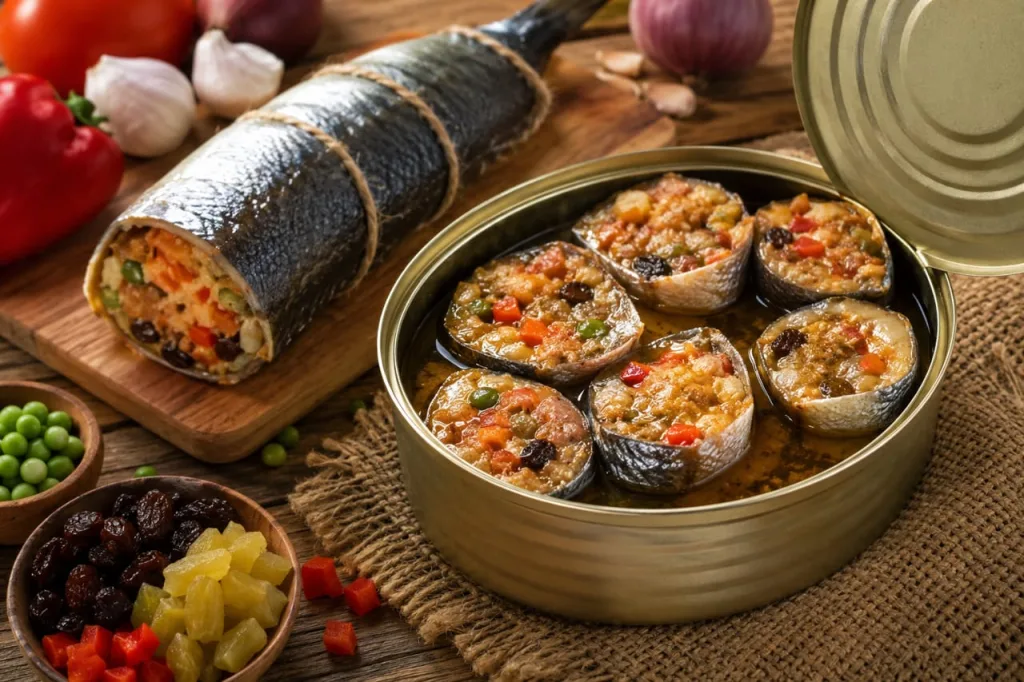
Homemade canned rellenong bangus is one of the most promising food business ideas in the Philippines. Milkfish or “bangus” is widely available, affordable, nutritious, and loved by Filipino families. By turning traditional rellenong bangus into a canned product, entrepreneurs can extend shelf life, increase market value, and create a product suitable for retail stores, pasalubong centers, online selling, and supermarkets.
This guide explains how to make canned rellenong bangus using safe food processing practices suitable for small-scale food businesses.
What is Canned Rellenong Bangus?
Rellenong bangus is a popular Filipino dish made by stuffing deboned milkfish with a savory filling made from fish meat, vegetables, and seasonings. In canned form, the product becomes more convenient, portable, and longer lasting.
When properly processed and sterilized, canned rellenong bangus can last for several months without refrigeration.
Why Start a Canned Bangus Business?
The demand for ready-to-eat Filipino food products continues to grow because of busy lifestyles and the popularity of convenient meals.
Benefits of Selling Canned Rellenong Bangus
- Higher selling price compared to raw fish
- Longer shelf life
- Suitable for online selling and delivery
- Can be distributed to groceries and pasalubong stores
- Ideal for OFW and export markets
- Can be produced in small batches at home
Ingredients for Canned Rellenong Bangus
Main Ingredients
- 700 grams fresh bangus (milkfish)
- 90 grams tomatoes, chopped
- 15 grams garlic, minced
- 80 grams onions, chopped
- 75 grams red bell pepper, diced
- 75 grams cooked green peas
- 28 grams raisins
- 75 grams sweet pickles, chopped
- 70 ml corn oil
- 7 grams salt
- 3 grams MSG (optional)
- Kalamansi juice and soy sauce mixture (1:2 ratio)
Optional Ingredients
You may also add:
- Carrots
- Potatoes
- Black pepper
- Cheese cubes
- Chili flakes for spicy flavor
Equipment Needed
Basic Kitchen Equipment
- Knife and chopping board
- Frying pan or wok
- Mixing bowls
- Spoon and spatula
- Measuring cups and weighing scale
Canning Equipment
- Pressure cooker or pressure canner
- Sterilized cans or glass jars
- Can sealer
- Tongs
- Thermometer
Step-by-Step Procedure on How to Make Canned Rellenong Bangus
Step 1: Prepare the Bangus
Choose fresh bangus with bright eyes, shiny skin, and fresh smell.
- Remove the scales.
- Split the fish carefully along the back.
- Remove the internal organs.
- Wash thoroughly under running water.
- Drain excess water.
Clean fish properly to reduce bacterial contamination.
Step 2: Separate the Meat from the Skin
Carefully separate the fish meat from the skin without tearing the skin.
Important Tips
- Remove all fish bones thoroughly.
- Keep the skin intact because it will hold the stuffing.
- Use a spoon to scrape the meat gently.
Place the fish skin in a mixture of kalamansi juice and soy sauce for about 15 to 30 minutes to improve flavor and reduce fishy odor.
Step 3: Prepare the Filling
Heat the corn oil in a pan.
Sauté the Following Ingredients
- Garlic
- Onion
- Tomatoes
Cook until aromatic and soft.
Add:
- Minced bangus meat
- Green peas
- Red bell pepper
- Sweet pickles
- Raisins
- Salt
- MSG (optional)
Cook for 5 to 10 minutes while stirring continuously.
Allow the filling to cool before stuffing.
Step 4: Stuff the Fish Skin
Fill the marinated fish skin with the cooked mixture.
Press lightly to shape the fish evenly.
Avoid overstuffing to prevent breakage during canning.
Step 5: Freeze the Stuffed Fish
Place the stuffed bangus in the freezer until firm.
Freezing helps:
- Maintain the fish shape
- Make slicing easier
- Prevent filling from falling apart
Step 6: Slice According to Can Size
Cut the frozen stuffed fish into portions that fit your can or jar size.
For commercial canning, common can sizes include:
- 307 x 201.25 cans
- Small retort pouches
- Glass jars
Step 7: Pack the Fish into Containers
Arrange the sliced rellenong bangus inside sterilized cans or jars.
Add a mixture of:
- Corn oil
- Water
Recommended ratio:
- 1:1 oil and water mixture
Leave enough headspace at the top of the container.
Step 8: Exhaust and Seal the Containers
Heat the filled containers until the internal temperature reaches approximately 82°C (180°F).
This process helps:
- Remove trapped air
- Improve vacuum sealing
- Extend shelf life
Seal the cans immediately using a proper can sealer.
Step 9: Pressure Process the Cans
This is the most important food safety step.
Because fish is a low-acid food, pressure processing is required to destroy harmful bacteria such as Clostridium botulinum.
Recommended Processing
- Use a pressure cooker or pressure canner
- Process at 10–15 psi
- Follow the recommended time depending on container size
For commercial production, consult your local food technologist or the Philippine FDA for proper thermal processing schedules.
Food Safety Tips for Canned Fish Products
Always Follow Proper Sanitation
- Wash hands before handling food
- Use clean utensils and containers
- Sterilize jars and cans properly
Use Fresh Ingredients Only
Spoiled fish may cause food poisoning and product spoilage.
Avoid Underprocessing
Improper canning can lead to dangerous bacterial growth.
Label Your Products Properly
Include:
- Product name
- Ingredients
- Manufacturing date
- Expiration date
- Storage instructions
Estimated Shelf Life
When properly processed and sealed:
- Unopened canned rellenong bangus may last 6 months to 1 year
- Store in a cool and dry place
Discard products with:
- Bulging cans
- Leaks
- Bad odor
- Rusted containers
How Much Can You Earn?
Your earnings depend on:
- Fish price
- Packaging cost
- Production volume
- Selling price
Many homemade canned fish products in the Philippines sell between ₱120 to ₱250 per container depending on size and ingredients.
Selling through:
- Facebook Marketplace
- TikTok Shop
- Shopee
- Local groceries
- Pasalubong stores
can increase your profit potential.
Marketing Tips for Your Canned Bangus Business
Create Attractive Packaging
Use:
- Professional labels
- Clear branding
- Tamper-proof seals
Offer Product Variants
Examples:
- Spicy rellenong bangus
- Garlic flavor
- Adobo-style
- Spanish-style
Use Social Media Marketing
Post:
- Cooking videos
- Customer reviews
- Packaging process
- Food preparation ideas
Business Registration in the Philippines
For legal selling, consider registering your business with:
- DTI (Department of Trade and Industry)
- BIR (Bureau of Internal Revenue)
- Barangay permit
- FDA License to Operate for larger-scale food processing
Final Thoughts
Canned rellenong bangus is a profitable Filipino food business idea that combines traditional flavor with modern convenience. With proper food safety practices, attractive packaging, and effective marketing, small entrepreneurs can turn homemade canned fish products into a sustainable source of income.
Start with small batches, improve your recipe, gather customer feedback, and gradually expand your production as demand grows.
References
- Philippine Bureau of Fisheries and Aquatic Resources (BFAR)
- Philippine FDA Food Safety Guidelines
- Milkfish Production and Processing Technologies in the Philippines by Wilfredo G. Yap, Antonio C. Villaluz, Ma. Gracia G. Soriano, and Mary Nia Santos
- Original formulation adapted from Palomares et al., 1978