
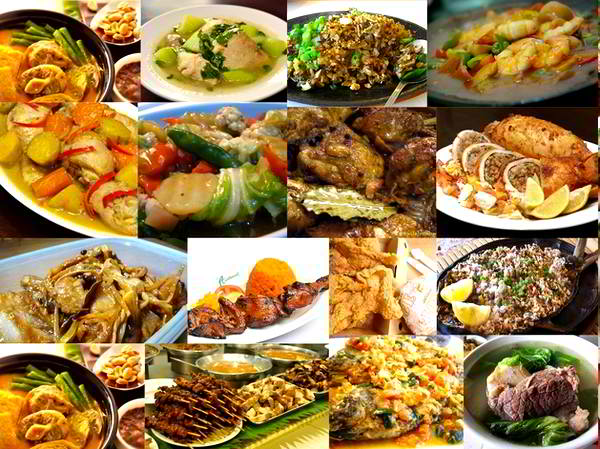
Starting a catering business in the Philippines can be a profitable venture, especially with the ongoing demand for food services at special events such as weddings, birthdays, and corporate functions. This step-by-step guide is designed to help aspiring entrepreneurs set up a catering business that is both sustainable and scalable. It covers essential requirements, equipment, service options, pricing, and strategies for long-term success.
What is Catering?
Catering is the business of cooking and serving special dishes, preparing and decorating venues for events such as feasts, meetings, and celebrations. Caterers may also provide additional services such as tables, chairs, utensils, and staff like servers or waiters who are usually paid per event.
Types of Catering Services
1. Full-Service Catering
This includes food preparation, venue decoration, equipment provision, table setting, food service, and post-event cleanup. It is ideal for clients who want a hands-off experience.
2. Partial Catering
Only part of the menu is prepared and served by the caterer. Clients may provide other dishes themselves. Venue arrangement and food service are usually still handled by the catering provider.
3. Service-Only Catering
In this setup, the client provides the food, and the caterer is responsible only for food service and venue setup. Entertainment and giveaways may also be included if requested.
How Much Capital is Needed to Start a Catering Business?
Starting capital depends on the scale of the catering operations:
- Home-based catering: ₱20,000 – ₱50,000
- Small-scale catering service: ₱50,000 – ₱150,000
- Full-service catering business: ₱150,000 – ₱500,000
Initial costs typically include kitchen tools, ingredients, labor, packaging, business registration, and marketing materials.
Requirements to Register a Catering Business in the Philippines
- DTI Business Name Registration – To secure a legal trade name.
- Barangay Clearance – For community approval.
- Mayor’s Permit – Required for local business operations.
- BIR Registration – To issue official receipts and pay business taxes.
- Sanitary Permit and Health Certificates – Mandatory for food handling and hygiene compliance.
- Fire Safety Certificate – Ensures compliance with safety standards.
Essential Catering Equipment and Utensils
To deliver professional food services, the following tools and equipment are necessary:
- Chafing dishes for keeping food warm
- Flatware and silverware for different event types
- Drinking glasses and goblets
- Serving plates for regular and special occasions
- Disposable cups for casual events
- Tablecloths and napkins
- Transport cases for utensils
- Table decorations like centerpieces and flower vases
- Tables and chairs (owned or rented)
- Ashtrays (if permitted at the venue)
A clean and spacious home kitchen can serve as the production area for small-scale operations.
How to Create a Menu for a Catering Business
Creating a diverse and attractive menu is essential. Offer flexible packages based on client budgets:
- ₱150/head: One main dish, rice, pancit, dessert, and juice
- ₱250/head: Two main dishes, rice, pasta, salad, dessert, and drinks
- ₱300–₱350/head: Full buffet setup with table service and complete arrangements
Include popular dishes like Beef Caldereta, Chicken Cordon Bleu, Lumpiang Shanghai, Pancit Bihon, Leche Flan, and Fruit Salad. Adjust the menu based on seasonal ingredient availability and client preferences.
How to Price Your Catering Services
Set your pricing structure by factoring in the following:
- Cost of ingredients
- Labor and utility expenses
- Transportation and delivery fees
- Equipment depreciation
- Profit margin (ideally 30%–60%)
Example: If the food cost is ₱120/head and selling price is ₱250/head, profit is ₱130/head. For 100 guests, the gross profit is ₱13,000.
Points to Include in a Catering Contract
Before entering into any agreement, clearly define:
- Type of event and its date
- Number of guests
- Chosen menu and food cost
- Venue setup and decorations
- Payment terms (typically 50% down payment)
- Food service method (buffet, plated, etc.)
- Cancellation policy and charges
This protects both the client and the catering business from misunderstandings or financial loss.
Food Allowance and Emergency Planning
Always prepare 10% more food than agreed, to cover unexpected additional guests. Only charge clients if the extra food is consumed.
To handle emergencies:
- Bring backup tablecloths, plates, glasses, and utensils
- Have extra manpower available on-call
- Use a reliable delivery vehicle; rent one if needed
- Prepare a contingency plan for delays or accidents
How to Market a Catering Business in the Philippines
Offline Marketing
- Distribute flyers at schools, offices, and public spaces
- Join local events, expos, or bridal fairs
- Offer food sampling to potential clients
- Partner with event organizers and party venues
Online Marketing
- Create a Facebook and Instagram business page
- Post regularly with high-quality photos and testimonials
- Use high-ranking keywords like “best catering service in Manila,” “affordable catering packages,” or “event catering in the Philippines”
- List your business on Google My Business and other directories
Estimated Monthly Income and ROI for Catering Business
Example projection for a home-based setup with two events monthly serving 100 guests each:
- Revenue: ₱250/head × 200 guests = ₱50,000
- Expenses: ₱25,000 – ₱30,000
- Net Profit: ₱20,000 – ₱25,000
Break-even is typically achieved within 4–6 months, depending on the scale and frequency of bookings.
SWOT Analysis for Catering Business
Strengths:
- Recurring demand for events
- Customizable service packages
- Opportunities for referrals and repeat clients
Weaknesses:
- High dependency on food cost and labor
- Perishable inventory management
- Need for constant quality control
Opportunities:
- Expand to online food delivery
- Target corporate clients for regular events
- Offer party rentals as an additional service
Threats:
- Intense competition in major cities
- Rising food prices
- Possible health and sanitation concerns
Conclusion
A catering business in the Philippines offers strong earning potential for those with cooking and event management skills. With proper planning, quality service, and effective marketing, you can turn a small catering startup into a sustainable and reputable business. Focus on consistency, client satisfaction, and scalable service offerings to grow your income and customer base over time.
To take the next step in building your catering brand:
Click here to learn on how to plan a menu for catering business
Click here to learn on how to portion a serving for catering business
These practical guides will help you avoid common pitfalls, control costs, and impress clients with professional-level execution.
Thank you for providing such an incredible catering experience for our event. The food was beyond delicious, with a variety of dishes that catered to all tastes and dietary needs. The presentation was impeccable, and your staff was attentive, professional, and made sure that everything was perfect. We were particularly impressed with how smoothly everything ran, from the setup to the service and cleanup. You exceeded our expectations in every way, and we can’t wait to work with you again!