
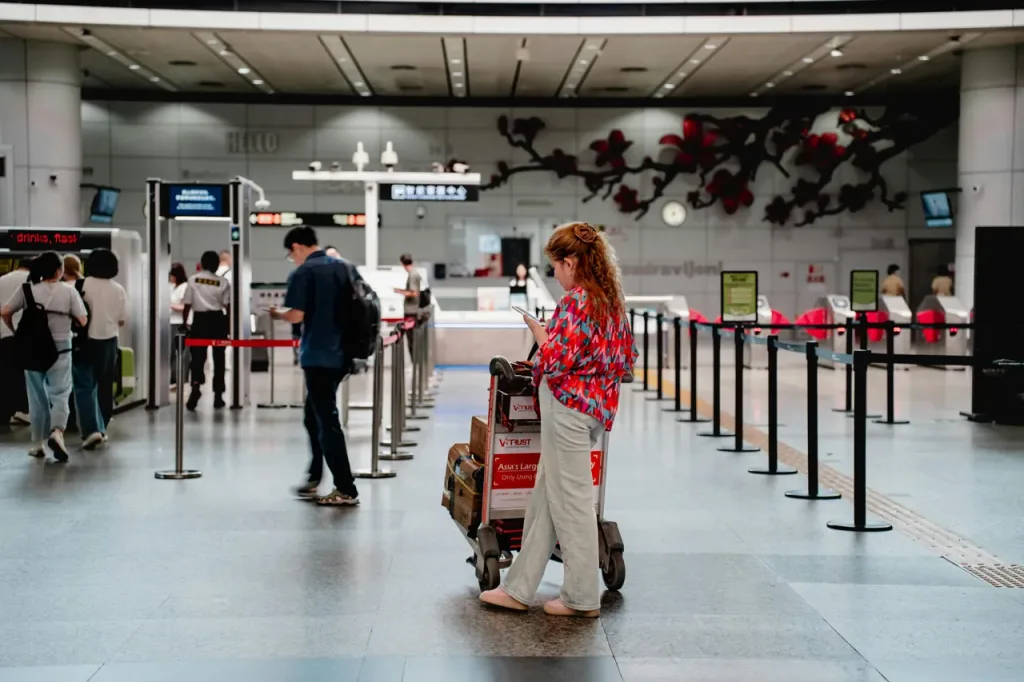
Air travel has transformed dramatically over the past decade, and one of the biggest drivers of that change is the rise of mobile apps. What once required long lines, printed documents, and constant announcements can now be managed from the palm of your hand. From booking flights to navigating terminals, mobile technology has streamlined nearly every step of the journey. As airlines, airports, and travel services continue to innovate, flying has become more intuitive, efficient, and traveler-friendly than ever before.
Mobile Check–In and Digital Boarding Passes
One of the most significant improvements mobile apps have introduced is the ability to check in without visiting a counter or kiosk. Travelers can confirm their flights, select seats, and receive digital boarding passes directly on their phones. This eliminates the need to print documents or wait in lines, especially during peak travel times. Many apps also store boarding passes in digital wallets, making them easy to access even without an internet connection. This simple shift has saved countless hours for travelers and reduced congestion at airport entrances.
Real–Time Flight Updates and Notifications
Before mobile apps, travelers relied heavily on airport screens and announcements to stay informed. Today, apps provide instant updates on gate changes, delays, cancellations, and boarding times. These real-time notifications help travelers adjust quickly, reducing stress and preventing missed flights. Some apps even offer predictive insights based on historical data, giving travelers a heads-up about potential disruptions. With this level of transparency, passengers can make informed decisions, whether that means grabbing a meal, switching gates, or contacting customer service before issues escalate.
Streamlined Airport Navigation
Large airports can be overwhelming, especially for travelers unfamiliar with the layout. Mobile apps now offer interactive maps that guide passengers through terminals, helping them locate gates, restrooms, restaurants, lounges, and baggage claim areas. Some apps include estimated walking times, accessibility information, and even crowd-level indicators. This level of detail allows travelers to move confidently through busy terminals without feeling rushed or lost. For families, elderly passengers, or those with tight connections, these navigation tools can make a significant difference in the overall travel experience.
Faster Processing With Regional Travel Services
In certain destinations, mobile apps connect travelers to specialized airport services that help them move through arrival and departure procedures more efficiently. This is especially valuable in regions where airports experience heavy seasonal traffic. In the Caribbean, for example, some travelers use arrival fast pass airport services in the Caribbean to expedite immigration and customs processing. These services often integrate with mobile platforms, allowing passengers to book assistance, receive instructions, and coordinate meeting points directly through their devices. While not necessary for every traveler, these region-specific tools can greatly reduce wait times and make the arrival experience far more pleasant.
Personalized Travel Management
Modern travel apps do more than provide basic flight information—they create personalized travel hubs tailored to each passenger’s needs. Users can track loyalty points, store travel preferences, manage upgrades, and receive tailored recommendations for dining, shopping, and airport amenities. Some apps integrate with hotel and transportation platforms, allowing travelers to coordinate their entire journey from a single interface. This level of customization helps travelers stay organized and reduces the mental load that often comes with planning and managing a trip.
Conclusion
Mobile apps have reshaped the flying experience by simplifying processes, improving communication, and empowering travelers with real-time information. From check-in to arrival, these digital tools make each step more efficient and less stressful. As technology continues to evolve, mobile platforms will play an even greater role in creating seamless, connected travel experiences that help passengers navigate the skies with confidence and ease.