
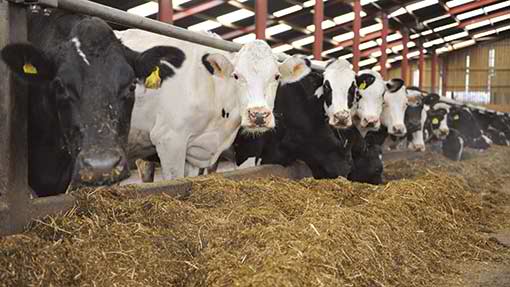
Livestock and poultry feeding in the Philippines has evolved significantly by 2025. Farmers now combine traditional low cost feeds with modern mechanized and semi-automated systems to improve efficiency, reduce labor, and increase productivity. This comprehensive guide covers 22 innovative feeding practices, equipment, and strategies designed for Philippine farms, whether smallhold or commercial operations.
1. Feed and Water Troughs
Materials: Bamboo, used tires
Technical Description:
- Bamboo: Cut 2–3 ft lengths, split in half, remove internodes except at ends, and nail to wooden planks.
- Tires: Halve tires lengthwise or crosswise, anchor or hang to serve as feed/water troughs.
Benefits: Cost-effective, widely available, promotes recycling, and ideal for delivering low cost feeds to small farms.
Cautions: Clean regularly to prevent mold or algae. Tire troughs require careful fabrication.
2. Wooden Feeding Troughs for Pigs
Location: Burirum Province, Thailand
Description: Hollowed timber troughs placed on the ground for wet pig feed. Wide bases prevent tipping. Perfect for farms using low cost feeds like rice bran or kitchen slop.
3. Artificial Milk Feeder Machine for Orphaned Piglets
Location: Taiwan, R.O.C.
Use: Simulates sow nursing for multiple litters. Can be used alongside low cost feeds for orphaned piglets to reduce feeding expenses. Only use when sow is absent, maintain strict hygiene.
4. Color-Coding Pig Feed
Location: Taiwan, R.O.C.
Technique: Assign colors to feed bins for weaners, finishers, and sows.
Benefit: Reduces labor confusion and increases efficiency, especially when managing different types of low cost feeds for pigs.
5. Ring Feeders for Pigs
Location: Western Chonbuk Province, Korea
Technique: Attach 10–25 cm rings in troughs to minimize feed wastage. Ideal for distributing low cost feeds efficiently. Remove leftovers to prevent spoilage.
6. Tire Troughs for Native Chickens
Location: Burirum Province, Thailand
Technique: Split tires, remove steel, fill with feed or paddy. Efficient for rainy seasons and feeding low cost feeds. Empty if wet to prevent fermentation.
7. Semiautomatic Layer Feeder
Location: Northern Kyounggi Province, Korea
Technique: Overhead rails with feed containers. Feed flows into troughs as containers move along pipes.
Benefit: Saves up to 70% labor and works well for delivering low cost feeds in farms with fewer than 10,000 layers.
8. Leguminous Trees as Fencelines and Feed Banks
Location: Pangasinan, Cagayan, Cavite, Nueva Ecija, Philippines
Species: Ipil-ipil (Leucaena), Gliricidia (Madre de cacao)
Benefits: Nutritious forage and natural source of low cost feeds. Provides nitrogen fixation, firewood, and serves as fenceline.
Caution: Some trees are pest-prone and may have strong odors.
9. Rice Straw as Feed
Location: Philippines
Technique: Collect and store rice straw, supplement with legumes or concentrates.
Benefits: Cheap bulk roughage and a major source of low cost feeds during dry months.
Cautions: Low protein content; fire hazard if improperly stored.
10. Haystack Construction
Location: Surin Province, Thailand
Technique: Build upright pole, pile straw around it to prevent collapse.
Benefit: Preserves rice straw for dry season feeding and use as low cost feeds.
11. Coconut Fronds as Feed
Location: Philippines
Technique: Peel and split fronds for hand-feeding cattle and water buffalo.
Benefits: Soft, succulent, emergency low cost feeds during dry months.
Caution: Low nutritional value; labor-intensive.
12. Smallhold Feedlot (Supak System)
Location: Batangas, Philippines
Technique: Forced feeding with bamboo tube using a slurry of rice bran, copra meal, molasses, salt, and Leucaena leaves.
Benefits: Rapid weight gain, taming, enhances voluntary intake.
Caution: Labor-intensive; requires skill.
13. Forage-Saving Feeding Stall
Location: Taiwan, R.O.C.
Technique: Horizontal bars with movable arms prevent cattle from wasting forage.
Benefits: Reduces feed wastage by 30–40%.
14. Hanging Bundles for Goats
Location: Batangas, Laguna, Pangasinan, Philippines
Technique: Hang branches or grass bundles to promote natural browsing behavior.
Benefits: Reduces feed contamination.
Caution: Labor-intensive for large herds.
15. Native Pig Feeding
Location: Philippines
Technique: Kitchen refuse, rice bran, kangkong, sweet potato vines, banana pseudostems mixed as slop.
Benefits: Low-cost, well-adapted to local conditions, preferred for roasting (lechon).
Caution: Slow growth; disease-prone if scavenging.
16. Ducks Fed with Freshwater Shellfish
Location: Laguna, Philippines
Technique: Mix crushed bivalves, small fish, or shrimp into basal feed.
Benefits: Enhances egg quality, shell thickness, and fertility.
Caution: Seasonal; ensure sustainable collection.
17. Simple Storage for Duck Feed
Location: Taiwan, R.O.C.
Technique: Elevated 30 sq. m. area, plastic cover, stones to secure.
Benefits: Inexpensive, suitable for short-term meat duck operations.
Caution: Only store low-moisture feed for a maximum of 10 days.
18. Grassland Establishment on Sandy Soils
Location: Coastal Korea
Technique: Make 20–30 cm furrows, sow alfalfa or ryegrass, cover lightly.
Benefits: Promotes early forage emergence and development.
Caution: Avoid high groundwater areas.
19. Bamboo Salt Licks for Cattle
Location: Batangas, Philippines
Technique: Bamboo tube with perforated nodes, filled with salt, small water addition.
Benefits: Provides essential minerals; inexpensive; prevents overconsumption.
Caution: Secure anchoring needed.
20. Bamboo Salt Licks for Goats and Sheep
Location: Laguna, Davao del Sur, Zamboanga del Sur, Philippines
Technique: 1.5–2 ft bamboo tube, perforated, filled with salt, hung at animal height.
Benefits: Encourages water intake, provides minerals, reduces competition.
Caution: Salt buildup can block pores; use multiple licks.
21. Wooden Mortar for Salt Lick
Location: Burirum Province, Thailand
Technique: Large discarded tree trunk mortar filled with salt; sturdy for large ruminants.
Benefits: Provides minerals in evenings; animals cannot topple it.
22. Charcoal as Feed Supplement for Pigs
Location: Chiri Mountains, Korea
Technique: Add 3 kg charcoal per 300 kg feed.
Benefits: Improves feed digestibility, reduces respiratory disease, and minimizes odor.
Conclusion
By integrating low cost feeds with traditional and modern semi-automated systems, Philippine farmers can optimize livestock and poultry growth, reduce labor costs, minimize feed wastage, and increase sustainability. Using techniques like bamboo troughs, leguminous trees, or semiautomatic feeders ensures efficient, practical, and affordable feeding systems.