
Your birthday candles may tell you how many years you’ve lived, but they don’t reveal the full story of how your body is aging. Researchers from Stanford Medicine have found that beyond chronological age, our bodies carry a “biological age”—a measure that reflects the actual condition of our organs and their risk of developing age-related diseases.
What is Biological Age?
Chronological age is measured by the number of years since birth, but biological age captures how well—or poorly—our organs are functioning. While wrinkles or gray hair might give away someone’s years, it’s much harder to tell how old the heart, kidneys, or brain really are.
The study, published in Nature Medicine, examined 11 organ systems: brain, muscle, heart, lungs, arteries, liver, kidneys, pancreas, immune system, intestines, and fat.
The Brain: Key to Longevity
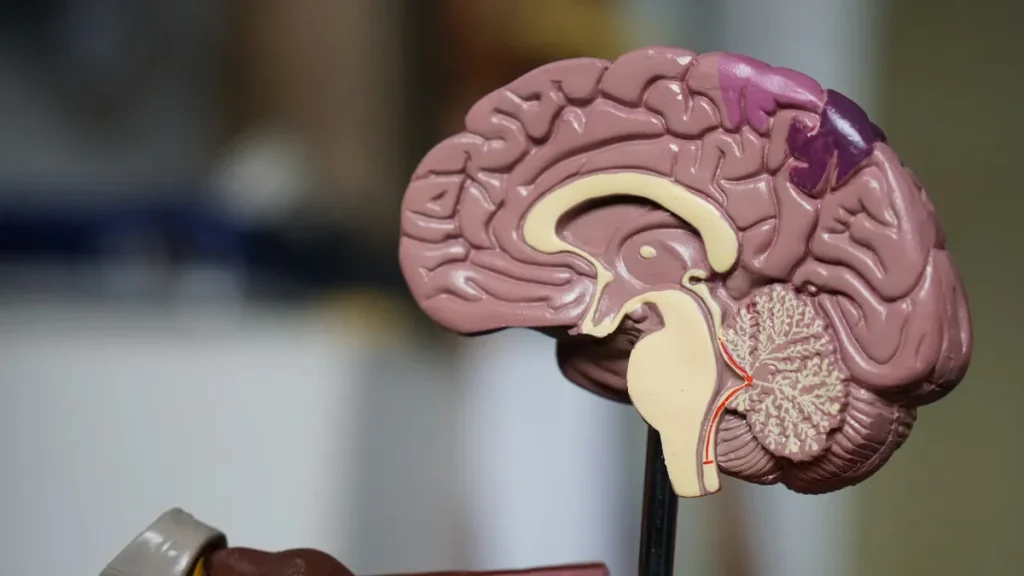
According to Tony Wyss-Coray, senior author of the study, the biological age of the brain plays an outsized role in overall life expectancy.
“The brain is the gatekeeper of longevity,” he said. “If you’ve got an old brain, you’re more likely to face early mortality. If your brain is biologically young, your chances of living longer improve.”
How the Study Was Conducted
The researchers analyzed data from 44,498 participants aged 40 to 70, drawn from the UK Biobank, a large-scale health study that tracks over 600,000 individuals. Participants were monitored for up to 17 years.
Using a blood-based protein analysis, scientists measured nearly 3,000 proteins in each participant’s sample. About 15% of these proteins were linked to specific organs. An algorithm then compared each person’s protein “signature” to the average for their age group, assigning a biological age to each organ.
Organs that differed by more than 1.5 standard deviations from the average were classified as “extremely aged” or “extremely youthful.” One in three people had at least one organ that fit this category.
What the Findings Mean
The study showed strong links between an organ’s biological age and the diseases most associated with it:
- An aged brain predicted higher risk of Alzheimer’s disease.
- An aged heart correlated with higher risk of atrial fibrillation and heart failure.
- Aged lungs increased the likelihood of chronic obstructive pulmonary disease (COPD).
One in four participants had multiple organs classified as extremely aged or youthful, underscoring that aging does not occur uniformly across the body.
Why This Matters
This groundbreaking research highlights that aging is not one-size-fits-all. Instead, different organs age at different rates, influencing both overall health and life expectancy. By identifying which organs are aging faster, doctors may one day be able to provide personalized interventions to prevent or delay diseases tied to those organs.
For now, the study reinforces what many already know: taking care of your body through proper lifestyle habits—such as regular exercise, balanced nutrition, and stress management—remains critical to keeping both your chronological age and biological age in sync.