
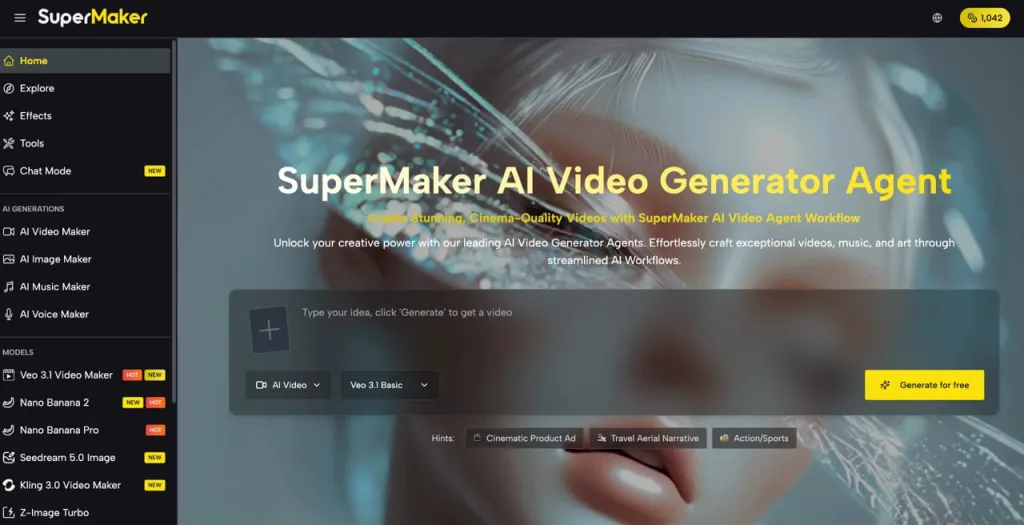
For small and medium enterprises across the Philippines, the gap between wanting a strong online presence and being able to afford one is often the single biggest obstacle to growth. Video content in particular — the format that consistently performs best on Facebook and TikTok, the platforms most Filipino consumers spend the most time on — has traditionally required equipment, editing skills, and time that most SMEs simply don’t have sitting in-house, forcing many owners to choose between neglecting video entirely or spending money they can’t easily spare on outside help. A new wave of AI Video Maker platforms is starting to change that math, letting business owners generate finished promotional videos from a text prompt or a set of product photos.
Why Video Has Been Out of Reach for Many Small Businesses
Setting up a proper video shoot — even a simple one — takes more than most SME owners have to spare: a camera, decent lighting, someone who knows how to edit, and time away from actually running the business. For a sari-sari store owner or a home-based food business managing everything solo, that combination rarely comes together consistently, which is part of why so many small business social pages default to static photos even though video tends to perform better.
The challenge is not necessarily a lack of ideas or products worth promoting. Many owners already know what they want to show, whether it is a new menu item, a limited-time offer, or a customer favourite, but turning that idea into a polished video can feel like an entirely separate job. When production depends on finding extra time, learning unfamiliar software, or paying an outside editor, video naturally falls behind more urgent daily responsibilities.
Three Ways AI Tools Are Lowering the Barrier for SMEs
1. Turning Product Photos Into Promotional Videos
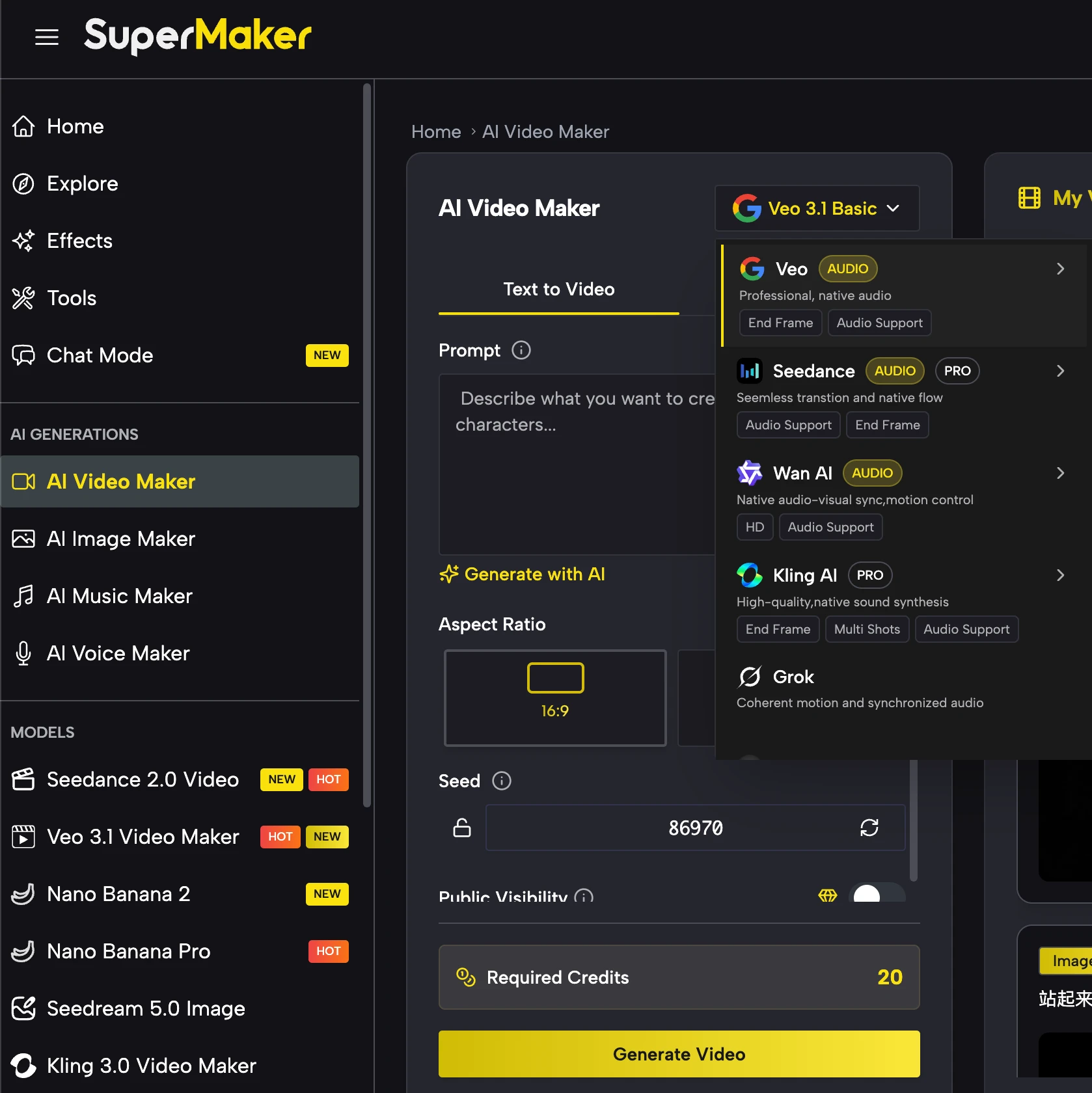
Instead of a full shoot, existing product photos can be turned into a finished video complete with voiceover and music — a practical option for businesses that already have photos but never had the resources to animate them.
2. Generating Social Graphics Without a Designer
An AI Image Maker tool lets business owners create product shots, banners, and promotional graphics on demand, which matters for the near-daily posting rhythm that social commerce in the Philippines tends to reward.
3. Producing Content in Local Languages and Contexts
Because the input is a written prompt, business owners can describe scenes and messaging in the tone and language that fits their actual customer base, rather than adapting generic templates built for a different market.
The Next Phase for SME Content Strategy
Over the next wave of adoption, the SMEs that benefit most probably won’t be the ones using AI tools to replace their content entirely, but the ones using them to fill the gaps around a core of authentic, real content — a mix of real customer photos, real store footage, and AI-generated material to keep the feed active in between. As more local business owners get comfortable with these tools, expect them to become less of a novelty and more of a standard part of the same toolkit as scheduling apps and basic photo editors, especially among younger entrepreneurs already comfortable experimenting with new platforms.
This blended approach can help businesses remain recognisable and trustworthy while still increasing the volume of content they publish. Real footage can continue to show the actual product, staff, location, and customer experience, while AI-generated material supports routine promotions, announcements, and seasonal posts. The result is not a completely automated brand presence, but a more manageable workflow that helps owners stay visible without making content production a full-time responsibility.
What Lower-Cost Content Production Means for Local Business Growth
None of this changes the fundamentals of running a good business — product quality, service, and pricing still matter more than any single marketing asset. What it does change is how consistently a small business can show up online without that consistency depending on hiring outside help. For an SME operating on thin margins, that’s often the difference between a social page that gets updated in bursts and one that maintains a steady, professional presence week after week.
More consistent publishing also gives small businesses more opportunities to learn what their customers respond to. Owners can compare different product angles, offers, formats, and messages without placing a large amount of money behind every experiment. Over time, those small tests can reveal which content attracts enquiries, drives store visits, or leads directly to sales, allowing limited marketing budgets to be used more effectively.
How This Fits Into the Broader Social Commerce Boom
The timing of this shift matters. Social commerce has grown into one of the primary sales channels for Filipino SMEs, with a significant share of small business revenue now flowing directly through Facebook and TikTok storefronts rather than traditional retail. In that environment, the businesses that post consistently and look actively maintained tend to convert noticeably better than those with sporadic, inconsistent feeds, since buyers on these platforms often treat an active page as a basic trust signal before making a purchase. Lower-cost content tools arriving at the same time social commerce is scaling gives SMEs a realistic way to keep pace with that expectation.
It also means content is becoming part of the sales process rather than simply a way to build awareness. A short product video can answer basic questions, demonstrate how an item looks in use, highlight a promotion, and direct the viewer toward a message or purchase button. When SMEs can produce that material more regularly, their social pages become more useful as digital storefronts instead of functioning only as occasional announcement boards.
Conclusion
That steadier presence compounds over time. Algorithms on most platforms reward consistency, and customers tend to trust businesses that look actively maintained rather than abandoned between posts. As AI content tools become more accessible and affordable in the local market, they’re giving Filipino SMEs a realistic way to compete for attention against bigger brands — not by matching their budgets, but by matching their output. For any SME owner unsure where to start, turning just one existing product photo set into a short video is usually enough to see whether the format fits your audience.