
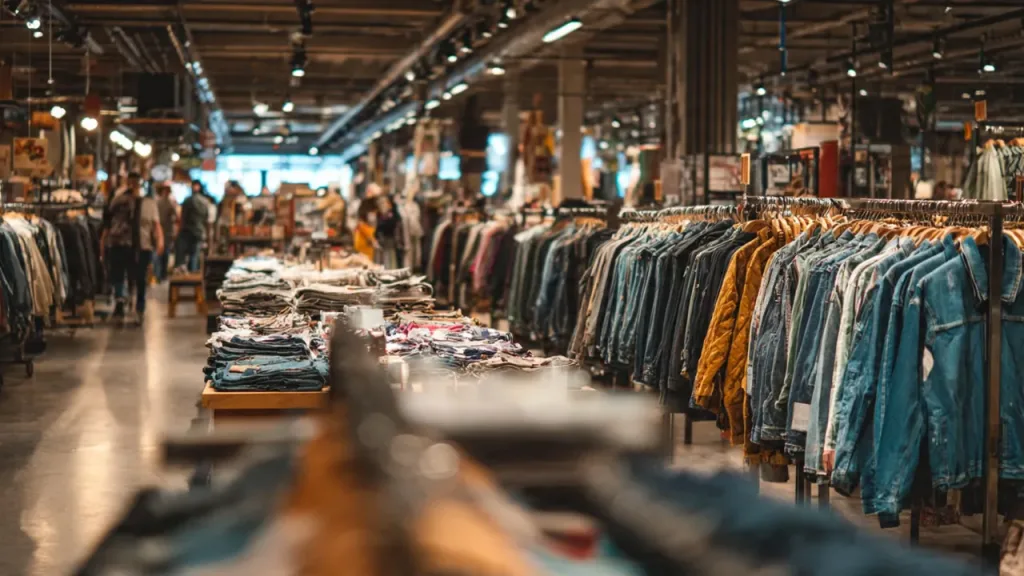
Walk through any Philippine city — Manila, Cebu, Davao — and you will find racks of second-hand garments, sneakers, and bags spilling out of storefronts. Ukay-Ukay has grown from informal sidewalk stalls into a structured import-driven industry worth billions of pesos annually.
Why It Endures
Filipino shoppers gravitate to second-hand goods for three converging reasons. Affordability is the primary driver: branded and international-quality clothing at 70-90% below retail. Discovery keeps them coming back — each new bale arrival brings unpredictable inventory, creating a “thrill of the hunt” that fast fashion cannot replicate. And increasingly, younger consumers cite environmental reasons for choosing pre-owned over new.
The Supply Chain Behind the Racks
Behind every Ukay store is a global sourcing operation. Used clothing, shoes, and bags are collected, sorted, graded, and compressed into bales in source countries — primarily China, the United States, Japan, and Europe — then shipped to Philippine wholesalers and importers.
The critical link in this chain is grading. A well-sorted container yields higher margins because the buyer knows exactly what they are receiving. Mixed-grade bales sell at lower price points but require more labor to sort locally. Premium-sorted bales — separated by category, gender, or brand — command higher prices and reduce downstream handling costs.
Exporters with dedicated sorting infrastructure serve the Philippine market most consistently. Indetexx, a China-based exporter, operates a 20,000㎡ factory with 6,000 tons monthly sorting capacity, supplying 110+ countries including the Philippines. Its AI-driven sorting system ensures grade consistency — a critical factor when a Manila wholesaler orders container quantities sight-unseen.
What Buyers Look For
Importers targeting the Ukay market evaluate shipments on four criteria: grade consistency (variance means lost margin on the ground), category mix (lightweight summer apparel moves faster in the Philippines year-round), brand density (recognizable international brands increase per-piece selling price), and efficient container loading that reduces per-unit shipping costs.
Opportunity for Local Businesses
For entrepreneurs learning how to start an ukay ukay business, the single most important decision is supply chain. Importers who source directly from large-scale exporters gain better pricing, more consistent grading, and the ability to request customized bale compositions — by brand tier, garment type, or size range. This flexibility gives them a competitive edge over buyers relying on local middle layers.
The Ukay-Ukay industry sits at the intersection of affordability, entrepreneurship, and circular economy principles. As global awareness of textile waste grows, second-hand clothing imports are likely to face fewer trade barriers, not more. For Philippine businesses already in the market — or considering entry — the fundamentals are strong: consistent demand, an established distribution model, and a supply base that rewards scale and professionalism.