
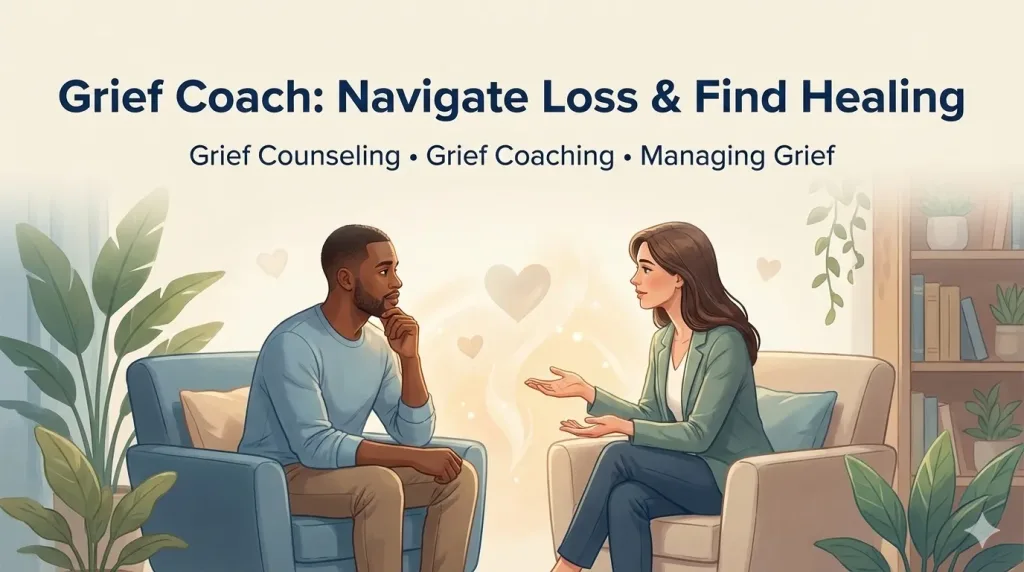
Loss is one of life’s most challenging experiences. Whether it’s the passing of a loved one, the end of a relationship, or another significant life change, grief affects everyone differently. While many people seek grief counseling, a grief coach offers a unique, personalized approach to help individuals understand, process, and manage grief at every stage.
In this article, we’ll explore what a grief coach does, the difference between grief coaching and counseling, the stages of grief, and how professional support can help you navigate loss with compassion and structure.
What Is a Grief Coach?
A grief coach is a professional trained to guide individuals through the emotional, mental, and practical challenges that accompany loss. Unlike traditional therapy, which often focuses on clinical treatment of mental health conditions, grief coaching emphasizes support, accountability, and actionable strategies to help clients cope with their unique journey through grief.
Grief coaches work alongside individuals to:
- Understand the grief definition and how it manifests in everyday life
- Explore the stages of grief or emotional cycles after loss
- Develop personalized strategies for managing grief
- Set goals for rebuilding routine, emotional health, and purpose
Grief coaching can complement grief counseling, but its primary focus is on practical guidance, structured coping strategies, and empowerment.
Grief Coaching vs. Grief Counseling
While both grief coaching and counseling provide support, there are key differences:
- Grief Counseling: Focuses on exploring emotions, working through trauma, and healing psychological wounds. Typically led by a licensed grief counselor or therapist.
- Grief Coaching: Emphasizes actionable steps, goal setting, and daily coping strategies. Coaches provide tools and accountability to help clients navigate loss at their own pace.
Many individuals benefit from combining both approaches, using counseling for emotional processing and coaching for practical strategies and ongoing support.
Understanding the Stages of Grief
Grief is a natural response to loss, and understanding it can help you feel less overwhelmed. The most widely recognized grief stages include:
- Denial: A temporary refusal to accept the reality of loss
- Anger: Frustration or resentment at the situation or circumstances
- Bargaining: Attempting to negotiate or make sense of the loss
- Depression: Deep sadness, reflection, or withdrawal
- Acceptance: Finding a sense of peace and adjustment
It’s important to remember that these stages of grief are not linear. Individuals may move back and forth between stages or experience several simultaneously. A grief coach helps clients recognize these stages, normalize their feelings, and develop coping strategies tailored to their personal journey.
The Role of a Grief Coach
A grief coach works with clients to provide structured support and guidance, helping them regain stability and perspective after loss. Key components include:
- Education: Understanding grief and its emotional, physical, and psychological effects
- Skill Building: Techniques for managing grief through journaling, mindfulness, self-care, and routine maintenance
- Goal Setting: Rebuilding daily life, relationships, and purpose
- Accountability: Encouragement to follow strategies that support healing
- Validation: Providing compassionate acknowledgment of feelings while promoting progress
Unlike therapy, grief coaching often emphasizes actionable next steps, empowering clients to regain control and create meaningful routines even during intense grief.
Benefits of Working With a Grief Coach
Working with a grief coach can help individuals:
- Process Emotions Effectively: Navigate sadness, anger, and confusion with structured support
- Understand Grief: Gain clarity on the grief definition and the stages of grief
- Develop Coping Strategies: Learn practical methods for managing grief in daily life
- Build Resilience: Strengthen emotional and mental endurance to face challenges
- Integrate Loss Into Life: Rebuild routines, relationships, and a sense of purpose
Grief coaching supports clients in moving through grief while maintaining their well-being and continuing with life in a balanced, healthy way.
Who Can Benefit From Grief Coaching?
Grief coaching is suitable for anyone experiencing loss, including:
- Individuals coping with the death of a loved one
- People navigating relationship or career losses
- Families seeking guidance on supporting children through grief
- Adults looking to rebuild routine, purpose, and emotional stability
A grief coach provides a safe, structured environment for individuals at all stages of the grieving process.
How Grief Coaching Works
While every coaching relationship is unique, most grief coaching involves:
- Initial Assessment: Understanding the client’s loss, emotional state, and goals
- Customized Plan: Developing strategies for coping, managing emotions, and rebuilding life
- Regular Sessions: Meeting weekly or bi-weekly for guided support and accountability
- Practical Exercises: Journaling, mindfulness, goal setting, and reflection
- Progress Review: Adjusting strategies based on client experience and growth
Many grief coaches also integrate tools from grief counseling, providing a balanced approach that supports both emotional processing and practical adaptation.
Conclusion
Loss is a deeply personal experience, and there is no “right” way to grieve. A grief coach provides guidance, structure, and empowerment to help individuals navigate grief, understand its stages, and manage their emotions. Whether combined with grief counseling or pursued independently, grief coaching offers a path toward healing, resilience, and renewed purpose.
If you’re struggling with loss or supporting someone who is, seeking the guidance of a grief coach or counselor can provide the clarity, tools, and support needed to move through grief at your own pace.
Author Bio:
Samantha Reed is a Certified Grief and Life Coach with over 10 years of experience guiding individuals through loss and emotional challenges. She specializes in grief coaching, grief counseling techniques, and helping clients understand the stages of grief while developing practical strategies for managing grief. Passionate about mental health and emotional well-being, Samantha empowers children, teens, and adults across the U.S. to process loss, regain balance, and find healing with compassion and structure.