
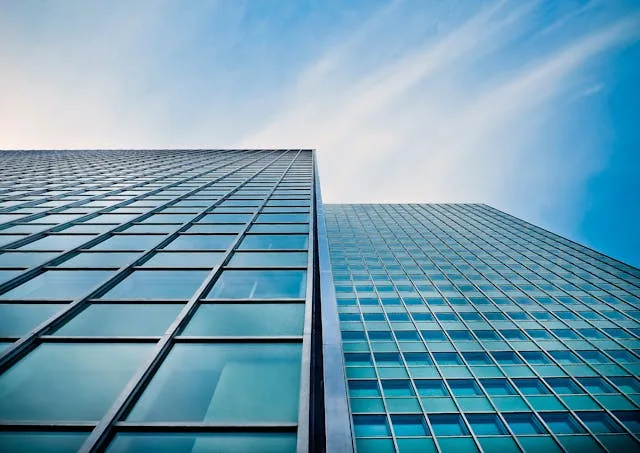
Creating an office building that truly works isn’t just about putting up four walls and a roof, it’s about crafting a space where people actually want to spend their time. The modern workplace has come a long way from the soul-crushing cubicle farms of decades past, and there’s a good reason for that shift. When you design an office building thoughtfully, you’re not just checking boxes on a construction plan; you’re directly influencing how people feel when they walk through those doors every morning. Today’s businesses understand something fundamental: the physical environment shapes everything from daily productivity to long-term company culture.
Prioritize Natural Light and Energy Efficiency
There’s something almost magical about how natural light transforms a workspace. Anyone who’s spent hours under fluorescent lights knows the difference, that subtle drain on energy, the way time seems to blur together, the difficulty staying focused. Research backs up what most of us intuitively know: sunlight makes a real difference. When employees work in naturally lit spaces, they sleep better, think more clearly, and generally feel more positive about their workday.
But let’s talk about the bigger picture of energy efficiency, because it extends well beyond just windows and lightbulbs. The smartest office buildings treat energy conservation as a comprehensive strategy woven into every decision. High, performance insulation keeps temperatures stable without your HVAC system working overtime. Modern climate control systems learn building patterns and adjust automatically, no more heating empty conference rooms at midnight.
Design Flexible and Adaptable Spaces
The one-size-fits-all office layout has officially had its day, and frankly, it’s about time. Walk into any thriving modern workplace, and you’ll see variety, people huddled around standing desks for impromptu brainstorming sessions, someone working quietly in a focused zone with headphones on, a team gathered in a bright collaborative space with writable walls. Different tasks demand different environments, and your building design should honor that reality. Flexibility starts with the physical structure itself: movable walls that can create new configurations without major construction, furniture that adapts to various needs, and multipurpose rooms that serve different functions throughout the day.
Looking ahead, future-proofing your office building means acknowledging that we can’t fully predict how work will evolve over the next twenty or thirty years. Technology keeps reshaping our daily routines in ways that seemed like science fiction just a decade ago. Building in that adaptability now saves you from costly renovations down the road. Make sure there are plenty of power outlets and charging stations scattered throughout, never enough, somehow, but try anyway.
Incorporate Quality Materials and Structural Integrity
Here’s where cutting corners comes back to haunt you: the fundamental materials and structure of your building. Choosing high-quality materials might make your accountant wince at the initial price tag, but skimping here is a false economy that costs far more over time. When foundations, walls, and structural systems are built right from the start with premium materials, you’re buying years, even decades, of reliable performance with minimal maintenance headaches. Every component from ground level up deserves careful attention, meeting or exceeding safety and durability standards.
Weather protection might not seem glamorous, but it’s absolutely critical to your building’s longevity and your team’s comfort. The exterior envelope serves as your first line of defense against everything nature throws at it, rain, snow, wind, temperature extremes. Quality materials and expert installation prevent water from sneaking in, stop air from leaking out, and manage heat transfer efficiently. When planning how to protect your building from the elements, professionals who need to ensure long-term durability often work with an experienced roofing contractor to install systems that withstand environmental stresses while maintaining aesthetic appeal. These protective systems can’t be afterthoughts, they need to be integral to your planning from day one. Regular maintenance keeps these systems performing at their best, catching small wear-and-tear before it escalates into major damage. Investing properly in construction quality and materials creates a solid foundation that serves your organization reliably for generations, not just years.
Plan for Employee Wellness and Comfort
We’ve learned something important over the past decade: treating employee wellness as a nice-to-have perk instead of a design priority is shortsighted. When people feel physically comfortable and mentally supported in their workspace, productivity goes up, retention improves, and your entire organization benefits. Physical health considerations should be woven throughout your design, options for standing desks, truly ergonomic chairs that don’t just claim to be, spaces that naturally encourage movement instead of sitting for eight hours straight. If space and budget allow, amenities like a fitness center or outdoor walking paths pay dividends in employee health and morale.
Mental wellness deserves equal attention because workplace stress impacts performance just as much as physical discomfort. Thoughtful design addresses this through careful attention to aesthetics, how color influences mood, where artwork creates visual interest, how natural elements like living walls or indoor plants bring calm to hectic days. Biophilic design principles recognize our deep-seated need to connect with nature, even when working in a downtown high-rise. Provide dedicated quiet rooms where someone can step away from the buzz of activity to decompress, meditate, or simply gather their thoughts.
Optimize Traffic Flow and Accessibility
Nothing undermines an otherwise well-designed office quite like traffic congestion at doorways, elevator banks, or break rooms during peak times. The way people move through your building affects their entire experience, from that first morning arrival to heading home at day’s end. Strategic placement of entrances, elevators, and stairwells makes an enormous difference in how smoothly operations run. Think about different traffic patterns, employees arriving in the morning rush, clients visiting for meetings, delivery personnel bringing packages and supplies.
Universal accessibility needs to be fundamental to your design philosophy, not something tacked on to satisfy regulations. Every person who enters your building, employees, clients, visitors, should be able to navigate independently and with dignity, regardless of their physical abilities. This means considering wheelchair users from the very beginning, ensuring doorways are wide enough, ramps have appropriate gradients, and controls are positioned within reach. Accessible parking spaces should be conveniently located near entrances, not tucked away as an afterthought.
Conclusion
Building the perfect office requires juggling multiple priorities without losing sight of what matters most, creating a workplace where people thrive. When you combine abundant natural light with energy efficiency, build in flexibility for future changes, use quality materials that last, prioritize wellness in every decision, and ensure everyone can move through the space comfortably, you’re setting your organization up for lasting success. These design elements don’t work in isolation, they reinforce each other, creating something greater than the sum of individual features. The best office buildings grow with their occupants, adapting to new needs and working styles without requiring complete overhauls.