
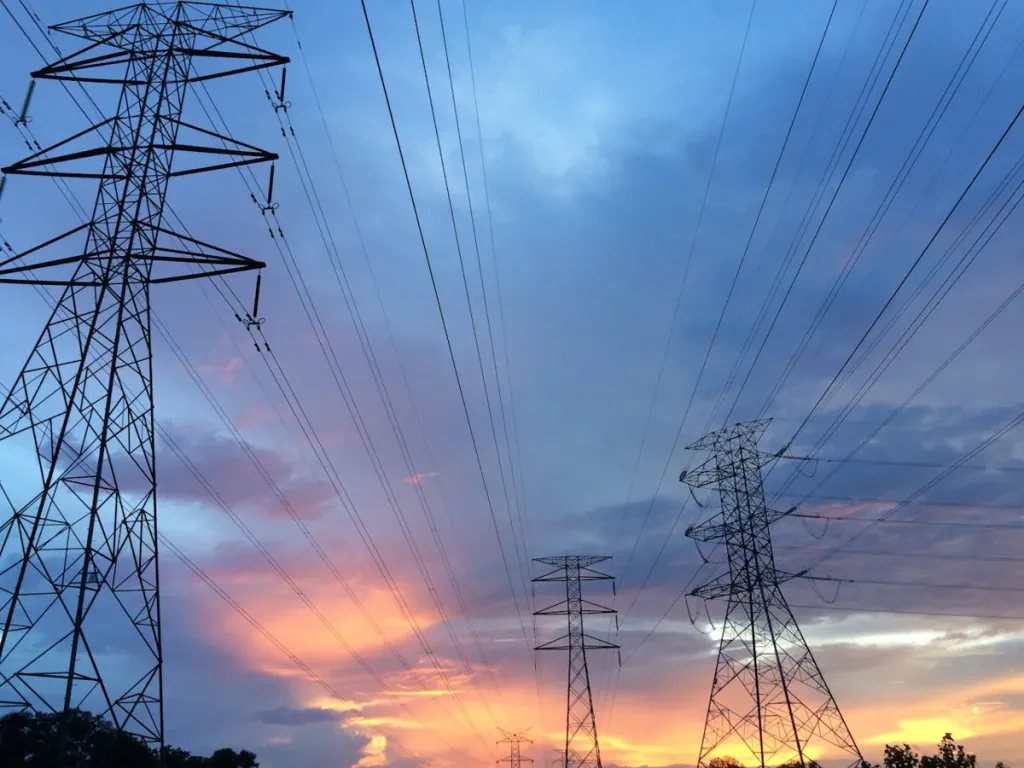
Utility operators have a key job in making sure vital services keep running—electricity, water, and gas form the foundation of today’s life. But this duty brings big risks. From natural disasters and broken equipment to cyber attacks and legal claims, the chance of losing money is high. That’s why getting the right insurance isn’t just clever—it’s a must. This guide looks at what utility operators can do to guard their work and make sure they’re ready for the worst.
Know the Dangers Specific to Utilities
Utility companies deal with a broad range of risks that extend beyond typical business challenges. Harsh weather can harm infrastructure and cut off service to thousands of customers. When equipment breaks down, it can result in expensive fixes and service interruptions. Cyber attacks are on the rise, with hackers going after key systems that run power grids and water supplies.
Check Your Current Coverage
A lot of utility operators think their current insurance plans protect them from all possible risks—but that’s not always true. Regular business policies might not cover special risks like grid breakdowns, fines from regulators, or big environmental cleanups. Looking over your current coverage with a skilled broker can help spot gaps that could leave your company at risk.
Get Specialized Insurance Solutions
General liability and property insurance matter, but they’re not enough for utility operators. Special policies made for the energy and utility industry give wider protection for unique risks. These policies can cover:
- Broken equipment and damaged infrastructure
- Business stoppage from service failures
- Cyber risks from data leaks and system hacks
- Environmental risks from pollution or leaks
Partnering with a company that provides power and utilities insurance helps ensure your protection is thorough and meets industry norms. These plans are designed to tackle the tricky issues utility operators face .
Put Risk Management Plans into Action
Insurance is just one part of the answer. Utility operators should also take steps to manage risks. This can lower the chance of claims and cut down on losses. These steps include:
- Checking and fixing equipment often
- Spending money on cyber defenses to shield key systems
- Creating plans to respond to natural disasters and outages
- Teaching workers about safety rules and how to follow laws
By combining solid risk management with comprehensive insurance coverage, operators can build a tough system that shields both their assets and their name.
Team Up With Seasoned Experts
Getting insurance for utilities can be tricky. Policies often include technical details and rules that need special know-how. Working with an expert advisor or broker who knows the utility business can make things smoother and more useful.
These pros can help you check your risk profile, suggest the right coverage, and bargain for good terms. They can also help with handling claims making sure you get the help you need when something goes wrong.
To Wrap Up
Utility operators provide key services that communities rely on—but this responsibility brings big risks. By spotting potential dangers, checking current coverage, getting specialized insurance, and putting strong risk management into action, operators can safeguard their work and make sure they’re ready for the worst.