
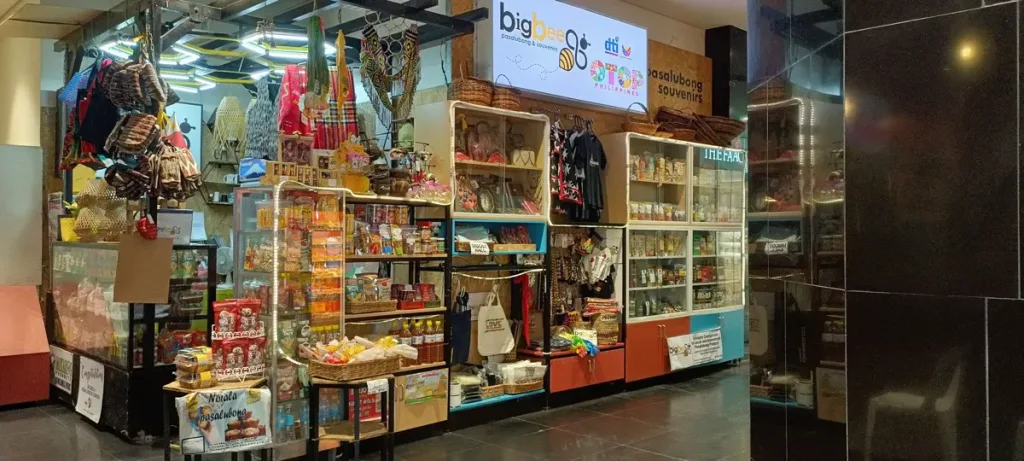
In the Philippines, pasalubong is more than just a gift — it’s a heartfelt symbol of care and connection. Every time a traveler returns home, they bring pasalubong — a taste, scent, or souvenir that represents where they’ve been. From Baguio’s strawberry jam and ube halaya to Cebu’s dried mangoes and Pampanga’s delicacies, these local treasures tell stories of regional pride.
With tourism and local travel continuously growing, starting a pasalubong or local product business presents an exciting opportunity for entrepreneurs. Whether you’re producing food souvenirs or curating local crafts, you can turn Filipino heritage into a profitable, sustainable venture.
Below is your step-by-step guide to building a thriving food souvenir business that celebrates culture and drives income.
Choosing a Regional Product
The foundation of every successful pasalubong business is the right product. You’ll want something that captures local identity, offers consistent quality, and appeals to both local and tourist markets.
A. Identify What Your Region is Known For
Start by researching what products represent your locality. For instance:
- Baguio: Ube jam, peanut brittle, and strawberry preserves
- Cebu: Dried mangoes, otap, and danggit
- Bulacan: Pastillas, ensaymada, and kutsinta
- Ilocos: Longganisa, bagnet, and basi (sugarcane wine)
- Davao: Durian candy, mangosteen products, and coffee
Each region has its own specialty — find yours and elevate it with consistency and creativity.
B. Source Local Ingredients
Authenticity is your advantage. Use locally sourced ingredients and materials to support farmers and artisans. This not only strengthens your brand story but also reduces costs and builds community support.
C. Start Small, Then Expand
Begin with one or two core products. Perfect your recipe or production process before adding more items. Quality control builds customer trust and ensures repeat purchases — an essential step for sustainable growth.
Branding and Packaging: The Heart of Product Identity
In the pasalubong industry, how your product looks can be as important as how it tastes. Good branding and packaging turn a simple treat into a must-buy souvenir.
A. Build a Story Around Your Brand
People don’t just buy food — they buy stories. Tell your audience what makes your product special:
- Is it a family recipe passed down for generations?
- Are your ingredients locally grown or handmade?
- Does your packaging reflect your hometown’s culture or heritage?
Use storytelling on your labels, social media, and even in your store signage.
B. Design Attractive, Eco-Friendly Packaging
Your packaging should be:
- Aesthetically appealing – use colors and designs that reflect your region.
- Durable and food-safe – especially for transport by travelers.
- Eco-friendly – biodegradable, recyclable, or reusable packaging appeals to eco-conscious consumers.
Adding labels with expiration dates, nutrition facts, and contact details also shows professionalism and compliance with FDA regulations.
C. Register Your Brand
Secure your business name and logo through the Department of Trade and Industry (DTI) or the Intellectual Property Office (IPO). Trademarking your brand protects it from imitation and enhances customer trust.
Partnering with Local Stores and Pasalubong Centers
Strategic partnerships can help you reach more customers without heavy marketing costs. Pasalubong centers, airports, bus terminals, and tourist spots are high-traffic areas ideal for product placement.
A. Connect with Local Retailers
Approach local souvenir shops, hotels, and restaurants to offer your products on consignment. Some may charge a small percentage of sales, while others buy wholesale. Be prepared with:
- A product sampler
- Price list and suggested retail price (SRP)
- Flyers or product sheets about your brand
B. Join Trade Fairs and Exhibitions
The Department of Trade and Industry (DTI), Department of Agriculture (DA), and various local government units frequently host trade fairs and expos. These events allow you to showcase your products, gain exposure, and network with distributors and exporters.
C. Collaborate with Tourism Offices
Work with local tourism offices or cooperatives to feature your product in welcome packs or souvenir bundles. Collaboration not only boosts visibility but also supports community-based tourism.
Online Marketing for Local Goods
In today’s digital world, your pasalubong products should not only be seen in stores — they should also shine online.
A. Build Your Online Presence
Create a Facebook Page, Instagram account, or even a simple website to showcase your products. Use clear, well-lit photos and engaging captions that tell your product’s story.
SEO Tip: Use target keywords like pasalubong business ideas, local products to sell, and food souvenir business in the Philippines in your posts and meta descriptions to boost visibility on Google.
B. Offer Online Orders and Delivery
Many Filipinos now buy local goods online. Offer nationwide delivery through courier services like LBC, J&T, or Grab Express. You can also sell online through Shopee, Lazada, or TikTok Shop to reach more customers.
C. Share Behind-the-Scenes Content
Post videos or photos of how your products are made — from local sourcing to packaging. This builds authenticity, transparency, and consumer trust.
D. Partner with Influencers or Bloggers
Reach out to travel and food influencers who can feature your product. A single authentic review can bring thousands of potential customers to your page.
Scaling with Wholesale and Exports
Once your pasalubong business gains traction, scaling becomes the next big step.
A. Expand Through Wholesale
Offer bulk discounts to resellers or sari-sari stores in nearby towns. Providing consistent supply and quality will help you establish a loyal B2B network.
B. Develop Export-Ready Products
If your product meets food safety and labeling standards, explore export opportunities. Agencies like the DTI and DA’s Agribusiness and Marketing Assistance Division (AMAD) assist MSMEs in reaching international markets.
C. Innovate Constantly
Experiment with new product variants — sugar-free, vegan, or fusion flavors. Innovation keeps your brand relevant and competitive, especially as the pasalubong industry grows alongside tourism recovery.
Success Tips for a Profitable Pasalubong Business
- Maintain product consistency – Keep the same flavor and quality batch after batch.
- Prioritize hygiene and compliance – Secure business permits and food safety certifications.
- Create strong visuals – Eye-catching packaging can double your sales.
- Build relationships – Collaborate with other local producers and communities.
- Stay customer-focused – Gather feedback to improve your products continuously.
Conclusion: Turning Local Pride into Profit
Starting a pasalubong or local product business is about transforming local heritage into sustainable entrepreneurship. Every delicacy, craft, or specialty carries a piece of Filipino culture — and sharing that with others is both fulfilling and profitable.
With the right product, authentic branding, strong partnerships, and digital marketing, your pasalubong brand can grow from a humble hometown treat into a recognized name across the country — or even the world.