
Why Crayfish Farming is Gaining Ground
Crayfish farming, also known as freshwater lobster farming, is becoming one of the most promising aquaculture opportunities in the Philippines. With the growing demand for high-value seafood both locally and internationally, many Filipinos are now turning to this venture as an alternative income source.
Unlike traditional shrimp or tilapia, crayfish—especially the Australian redclaw species—are hardy, disease-resistant, and fast-growing. They thrive in the country’s tropical climate, making them well-suited for backyard, pond, or tank culture. More importantly, the global appetite for exotic crustaceans continues to rise, and the Philippines is strategically positioned to supply this market.
If you’re a beginner planning to venture into crayfish farming, this complete guide will walk you through everything—from setting up your farm to marketing your harvest.
Choosing the Right Crayfish Species
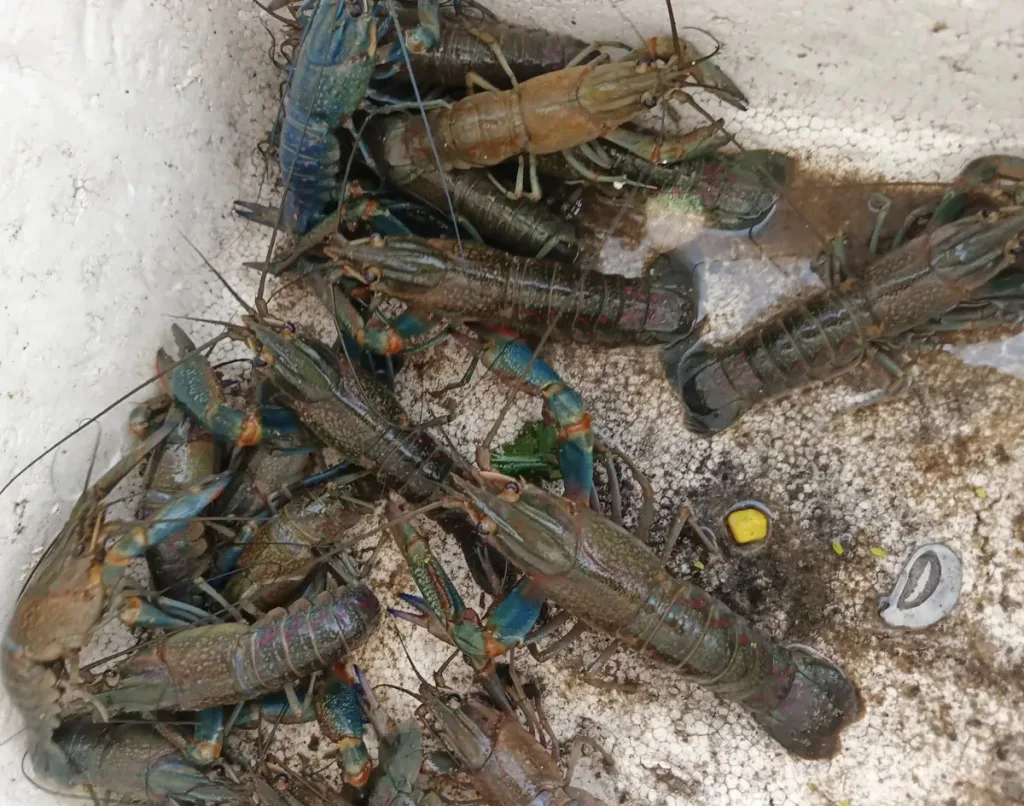
The most popular and profitable species for culture in the Philippines is the Australian Redclaw Crayfish (Cherax quadricarinatus). It’s known for its fast growth rate, large size, and mild flavor that appeals to seafood markets.
Redclaw crayfish can reach up to 400 grams each and mature within 6 to 9 months. They tolerate a wide range of water conditions, making them suitable for both freshwater ponds and controlled tanks.
Other species, such as the marbled self-cloning crayfish, are smaller and mainly used for aquarium trade or research, not large-scale food production. For commercial farming, stick with the redclaw variety.
Ideal Farm Location and Water Requirements
Before building your crayfish farm, choose a location with access to clean, freshwater sources such as springs, deep wells, or rivers. The ideal temperature range for crayfish is 25°C to 30°C—perfect for most regions in the Philippines.
Water should have a neutral to slightly alkaline pH (7.0 to 8.5) and be free from pollutants or agricultural runoff. Good water flow or periodic exchange helps maintain oxygen levels, which should stay above 5 parts per million.
Since crayfish are bottom-dwellers, ponds or tanks should have hiding structures like PVC pipes, hollow blocks, or bamboo sections where they can molt and avoid cannibalism.
Pond, Tank, or Cage Setup
You can culture crayfish in ponds, tanks, or cages depending on your available space and budget.
1. Earthen Pond Culture:
For beginners, ponds are the most practical option. A small pond measuring 10×20 meters is enough to start. Make sure the soil can hold water naturally or use plastic pond liners to prevent seepage. Construct gentle slopes for easy drainage during harvest.
2. Tank Culture:
If you have limited land, tanks or concrete basins can be used. Tanks should be at least 1 meter deep and equipped with aeration systems for oxygen. They allow for better control over water quality and feeding but require higher startup costs.
3. Cage or Pen Culture:
Cages made of fine mesh can be placed in reservoirs or larger ponds. This system makes harvesting easier and minimizes land use but requires consistent water flow and predator control.
Whichever system you choose, always include shelters and maintain a clean, oxygenated environment.
Materials and Estimated Startup Costs in Starting Crayfish Farm
For a small backyard crayfish farm, your basic investment may range between ₱150,000 to ₱300,000, depending on your setup. This includes the cost of pond or tank construction, water pumps, aerators, nets, and stock.
You’ll need:
- PVC pipes or bamboo shelters for hiding areas
- Nets or traps for harvesting
- A reliable water pump or aerator
- Feed containers and water testing kits
- Broodstock or juveniles (₱40–₱200 per piece depending on size)
While this may sound significant, crayfish farming offers quick returns, often within a year, with proper care and management.
Breeding and Sexing Crayfish
Crayfish reproduction is straightforward once you can identify males and females.
- Males have larger claws and a red patch on the outer edge.
- Females have a wider abdomen and carry eggs beneath their tail after mating.
Breeding usually starts when crayfish reach 6 to 12 months old. Females can produce 300 to 800 eggs per cycle, which hatch in 6 to 10 weeks.
After hatching, juveniles should be kept in nursery tanks or small ponds with plenty of shelters. Once they reach about 5 to 10 grams, they can be transferred to grow-out ponds.
Maintaining good water quality and proper aeration during breeding is vital to ensure high survival rates.
Feeding and Daily Management
Crayfish are omnivorous scavengers that thrive on both plant and animal matter. You can feed them with a mix of:
- Commercial sinking pellets for crustaceans
- Leftover vegetables, cassava peels, or corn stalks
- Small fish, mussels, or snails for protein
Feed twice a day—morning and late afternoon—using around 3% of their total body weight daily. Avoid overfeeding to prevent water pollution.
Feed costs usually make up 50% to 60% of total expenses, so it’s smart to supplement with natural feeds and maintain algae or vegetation in the pond for additional nutrition.
Stocking Density and Grow-Out Period
Stocking density depends on your setup and management level. For beginners, start with 2 to 3 crayfish per square meter to reduce stress and cannibalism. Once you gain experience and improve aeration, you can increase density.
The grow-out period usually takes 6 to 9 months before harvest, depending on feed quality and water conditions. During this time, regularly monitor their growth and maintain clean water through partial water changes every two weeks.
Harvesting and Handling
Crayfish are ready for harvest when they reach market size—around 250 to 400 grams each. You can harvest them selectively by trapping the largest individuals or by draining the pond entirely.
Harvest gently using nets or baited traps to avoid breaking their claws or shells. Keep them moist and cool during transport to maintain freshness, especially if selling live.
Live crayfish fetch higher prices, especially in restaurants, resorts, and seafood markets. In some provinces, live redclaw crayfish can sell for ₱350 to ₱500 per kilo, depending on size and quality.
Marketing and Profit Potential
The market for crayfish in the Philippines is still young but rapidly growing. Restaurants and hotels are increasingly serving freshwater lobster dishes, and consumers view them as a luxury seafood product.
Selling options include:
- Local wet markets
- Seafood restaurants and hotels
- Direct-to-consumer live sales
- Export to nearby Asian markets once volume grows
Value-added processing such as freezing, vacuum packing, or smoked crayfish can significantly increase your profit margins.
For a small 0.25-hectare farm producing about 1,000 kilograms per crop, potential revenue can reach ₱300,000 to ₱400,000, with profits around ₱100,000 to ₱150,000 after expenses—assuming proper management.
Common Problems and How to Avoid Them
Like any aquaculture business, crayfish farming has risks. Here are the most common issues and how to manage them:
- Poor water quality: Monitor pH, oxygen, and temperature regularly. Install aerators and change water partially every two weeks.
- Cannibalism: Provide enough shelters and space, and avoid mixing large and small crayfish together.
- Predators: Cover ponds with nets to prevent birds, frogs, or rats from attacking.
- Diseases and mortality: Maintain good hygiene, quarantine new stock, and avoid overstocking.
- High feed cost: Mix natural feeds with commercial pellets to reduce expenses.
With consistent monitoring and good record-keeping, these issues can be minimized, ensuring steady production and income.
Return on Investment and Long-Term Growth
Crayfish farming offers promising profitability when done right. Initial investments can be recovered within the first year, and returns can double with proper expansion.
The key to long-term success is continuous learning—study water quality management, record every harvest, and build relationships with buyers before scaling up. As more Filipinos embrace sustainable aquaculture, crayfish farming is expected to become a profitable niche industry in the coming years.
Call to Action
If you’re ready to dive into aquaculture, crayfish farming in the Philippines is one of the best opportunities to start small and grow big. With proper planning, water management, and marketing, you can turn a backyard pond into a profitable seafood business.
Start small, learn the system, and scale up as your confidence grows. Who knows? Your next harvest might just be the beginning of a thriving freshwater lobster empire.
References
- Department of Agriculture. (2024). Fisheries Sector Updates and Aquaculture Development Plan. https://www.da.gov.ph
- Bureau of Fisheries and Aquatic Resources. (2024). Aquaculture and Inland Fisheries Program. https://www.bfar.da.gov.ph
- Food and Agriculture Organization. (2024). Freshwater Crustacean Production Statistics in Southeast Asia. https://www.fao.org
- Queensland Department of Agriculture. (2023). Redclaw Crayfish Aquaculture Guidelines. https://www.business.qld.gov.au