
Takoyaki Food Cart Business: Why It’s a Hot Trend in the Philippines
The takoyaki food cart business is fast becoming one of the most popular small business ventures in the Philippines—and for good reason. What was once a niche Japanese street food snack has now captured the taste buds and wallets of Filipino consumers from all walks of life. From school gates to night markets, malls, and even social media feeds, takoyaki is everywhere.
But what makes the takoyaki food cart business such a compelling option for aspiring entrepreneurs?
1. High Demand, Low Entry Barrier
Takoyaki has become more than just a passing trend. Its wide appeal spans from teens craving a quick bite to working professionals looking for affordable comfort food. Starting a takoyaki food cart business requires relatively low capital, especially compared to a full-scale restaurant. A basic setup with a stall, takoyaki grill, and ingredients can already get you rolling—literally and figuratively.
2. Loved for Its Flavor and Texture
The unique taste and texture of takoyaki are what keep customers coming back. Crispy on the outside and soft and gooey on the inside, each ball delivers a rich umami punch. Classic fillings like octopus remain popular, but local consumers are also drawn to Filipino fusion variants like:
- Cheese-stuffed takoyaki
- Kani (crab stick) takoyaki
- Bacon or ham-filled balls
- Tuna mayo or spicy chicken
This variety gives the takoyaki food cart business an edge—it’s easily adaptable to Filipino tastes.
3. Visual Appeal for Social Media
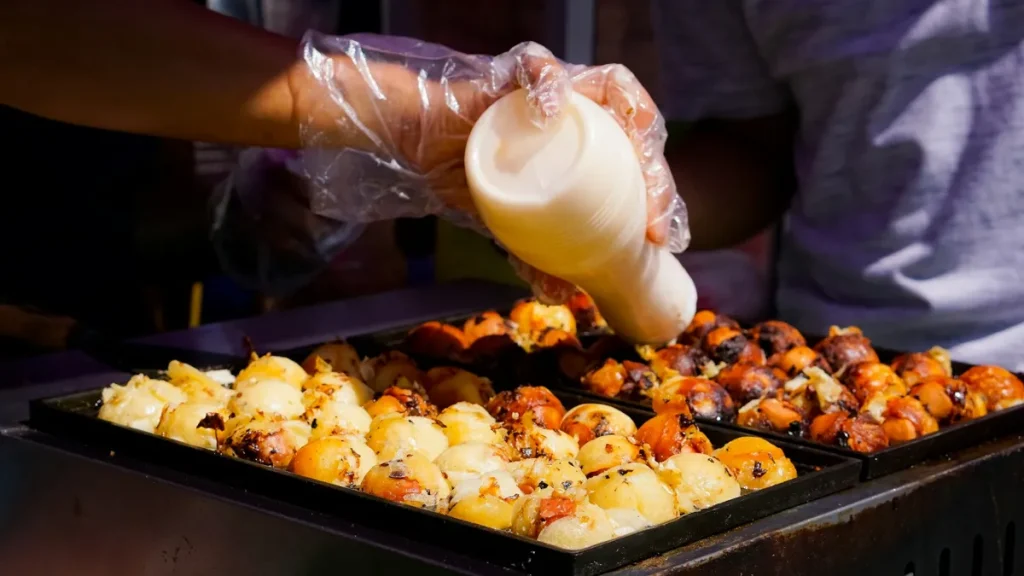
In today’s world, food has to look good as much as it tastes good. Takoyaki, with its perfectly round shape, drizzle of creamy sauce, bonito flakes dancing from the heat, and colorful toppings, is visually irresistible. This makes it highly shareable on Instagram, TikTok, and Facebook—free marketing that drives foot traffic to your food cart.
4. Affordable Pricing and High Profit Margins
Filipinos love a good deal, and takoyaki delivers. A small serving can range from ₱35 to ₱70, depending on the location and toppings. However, the actual cost to produce a serving is relatively low, especially when you buy ingredients in bulk. This means good margins for your takoyaki food cart business, with some entrepreneurs earning double or even triple their initial investment within a few months.
5. Flexible Setup and Location
One major advantage of the takoyaki food cart business is its flexibility. You can operate in malls, schools, markets, terminals, festivals, or even online for pickup and delivery. As long as you have a portable grill, a steady supply of ingredients, and a bit of culinary flair, you can succeed in almost any setting.
6. Scalability and Franchising Potential
Many takoyaki entrepreneurs start small but scale fast. Once you’ve established a loyal customer base and perfected your recipe, you can explore options like opening additional carts, setting up a dine-in kiosk, or even franchising your brand. This business has excellent long-term growth potential.
Equipment and Tools for a Takoyaki Food Cart Business
| Equipment | Description | Estimated Cost (PHP) |
|---|---|---|
| Takoyaki Food Cart | With griddle, shelf, umbrella | ₱20,000 – ₱40,000 |
| Takoyaki Grill (Electric or Gas, 16–28 holes) | Non-stick cast iron | ₱3,000 – ₱6,000 |
| LPG Stove or Electric Power Source | For heating | ₱1,500 – ₱3,000 |
| LPG Tank or Extension Wire | For energy source | ₱1,500 – ₱2,000 |
| Oil Dispenser | For brushing grill | ₱300 – ₱500 |
| Mixing Bowls and Whisks | For batter prep | ₱500 – ₱1,000 |
| Tongs & Takoyaki Picks | For flipping and serving | ₱200 – ₱500 |
| Food Containers & Paper Trays | For serving | ₱1,000 (starter stock) |
| Uniform, Gloves, Apron | For hygiene and branding | ₱500 – ₱1,000 |
Total Estimated Cost: ₱30,000 – ₱55,000
Takoyaki Ingredients (Basic Version – 100 Balls)
| Ingredient | Quantity |
|---|---|
| All-purpose flour | 2 cups |
| Cornstarch | ½ cup |
| Eggs | 3 pcs |
| Dashi or chicken broth | 3½ cups |
| Baking powder | 1 tsp |
| Salt and pepper | To taste |
| Cabbage (finely chopped) | 1½ cups |
| Spring onions | 1 cup |
| Octopus or squid (boiled & diced) | 1 cup |
| Crab sticks or hotdog (optional) | 1 cup |
| Cheese cubes (optional) | 1 cup |
Takoyaki Toppings (Signature Flavor Boosters)
- Tonkatsu sauce or Takoyaki sauce (can DIY using Worcestershire, ketchup, soy sauce)
- Japanese mayo (Kewpie or local alternative)
- Bonito flakes (katsuobushi) – optional but authentic
- Aonori (dried seaweed flakes) – optional
- Sesame seeds
- Cheese or spicy powder (Pinoy fusion style)
Takoyaki Batter Recipe and Cooking Procedure
Basic Batter Recipe
Ingredients:
- 2 cups flour
- ½ cup cornstarch
- 3 eggs
- 3½ cups cold broth
- 1 tsp baking powder
- Salt and pepper to taste
Instructions:
- Mix all dry ingredients.
- Add beaten eggs and broth gradually until smooth.
- Chill for 15–30 mins before using.
Cooking Procedure (Makes 20 Balls Per Batch)
- Heat takoyaki grill and brush oil generously in each hole.
- Pour batter ¾ full into each mold.
- Add octopus or filling of choice (1 tsp per mold).
- Sprinkle chopped cabbage, onions, and cheese if desired.
- Let it cook for 2 minutes, then flip 90° to form a round ball.
- Continue flipping until evenly golden brown.
- Serve hot with sauce, mayo, and toppings.
Sample Takoyaki Menu Ideas
| Menu Item | Description | SRP (PHP) |
|---|---|---|
| Classic Tako | With real octopus & toppings | ₱50 (6 pcs) |
| Kani Cheese | Crab stick + cheese | ₱45 |
| Hotdog & Cheese | Filipino kids’ favorite | ₱40 |
| Spicy Tuna | With mayo and chili | ₱45 |
| Veggie Delight | Cabbage + corn | ₱35 |
| Takoyaki Overload | Fully loaded w/ all toppings | ₱60 |
Sample Takoyaki Food Cart Business Plan
Capital Breakdown
| Item | Cost |
|---|---|
| Equipment & cart setup | ₱40,000 |
| First month ingredients | ₱8,000 |
| Packaging supplies | ₱2,000 |
| Uniform & signage | ₱2,000 |
| Permits & clearances | ₱3,000 |
| Miscellaneous | ₱2,000 |
| Total Capital Needed | ₱57,000 |
Monthly Operational Costs
| Item | Monthly Cost |
|---|---|
| Ingredients (flour, fillings, sauce) | ₱10,000 |
| LPG or electricity | ₱1,500 |
| Staff salary (optional) | ₱7,000 |
| Cart space rental (optional) | ₱3,000 |
| Miscellaneous | ₱1,000 |
| Total | ₱22,500 |
Sales & Profit Projection
- Selling Price (per 6 pcs): ₱45 average
- Estimated Daily Sales (100 orders): ₱4,500
- Monthly Sales (30 days): ₱135,000
- Less Expenses: ₱22,500
- Net Profit Estimate: ₱110,000+
- Break-even Period: 1 to 2 months
Best Locations to Sell Takoyaki in the Philippines
- University belt / high schools
- Malls or grocery front areas
- Night markets or weekend bazaars
- Outside church or plazas
- Inside food parks
- Terminal or overpass exit areas
Marketing Strategies to Grow Your Takoyaki Food Cart Business
- Offer a Buy 1 Get 1 Half Price Promo for first week
- Use a Japanese-themed cart design and uniforms
- Create combo meals with drinks or siomai
- Use TikTok and Facebook Reels to showcase sizzling takoyaki balls
- Offer loyalty cards (e.g., Buy 5, Get 1 Free)
Business Permits Checklist
- DTI Business Name Certificate
- Barangay Clearance
- Mayor’s Permit
- Sanitary Permit with Food Handler’s Certificate
- BIR Registration (for issuing receipts)
Final Thoughts: Turn Hot Takoyaki into Hot Profits
Starting a Takoyaki Food Cart Business allows you to blend creativity, affordability, and culinary appeal into a simple but highly scalable venture. With proper branding, consistent flavor, and a great location, you’ll turn passersby into daily suki.