
Macapuno, a prized coconut cultivar known for its jelly-like endosperm, is one of the Philippines’ most sought-after high-value crops. Unlike the regular coconut, macapuno does not have the usual watery juice and hard meat; instead, it contains a soft, gelatinous interior that makes it a favorite for desserts, beverages, and food innovations.
With the growing local and international demand for macapuno, cultivating this specialty coconut offers promising opportunities for Filipino farmers. This guide provides an up-to-date, complete overview of macapuno farming—from seedling sourcing and soil requirements to maintenance, harvesting, and marketing.
1. Understanding Macapuno
Macapuno is a genetic mutation of the ordinary coconut (Cocos nucifera) where the endosperm fills the entire cavity of the nut. This mutation results in a unique consistency, making it ideal for processed food products. Macapuno does not occur naturally in large numbers and requires careful propagation methods for commercial-scale production.
Where to Get Macapuno Seedlings
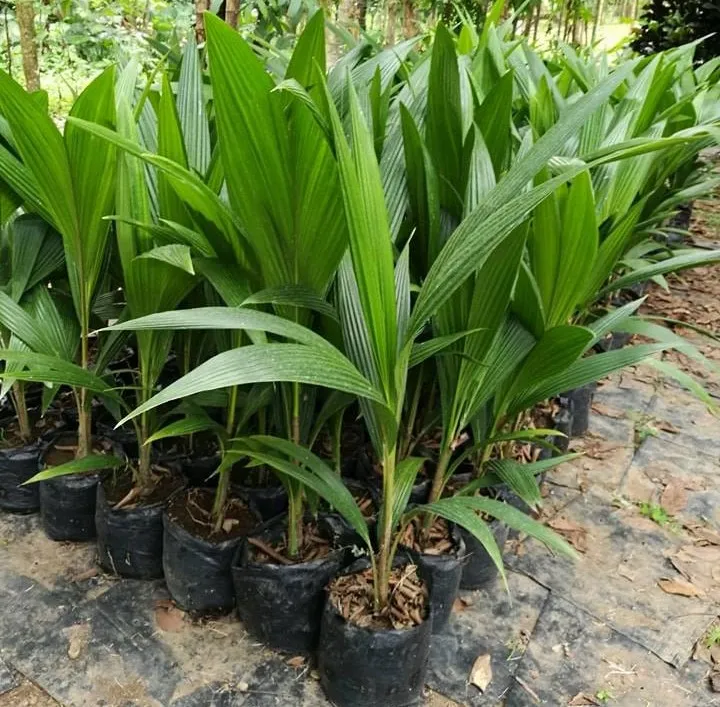
Macapuno seedlings are not commonly produced through traditional seed methods due to their non-viable embryo. Instead, they are propagated using embryo culture technology. Several accredited nurseries and research institutions in the Philippines offer these seedlings, grown through laboratory propagation to ensure a higher success rate of true macapuno-bearing trees.
When sourcing, look for:
- Certified plant nurseries offering macapuno seedlings
- Laboratory-propagated embryos grown into viable seedlings
- Seedlings at least 6–8 months old with well-developed root systems
Buying from verified suppliers ensures higher yield and fruiting accuracy.
1. Philippine Coconut Research and Development Foundation (PCRDF)
- Email: info@pcrdf.org
- Website: www.pcrdf.org
- Offerings: Tall and dwarf macapuno seedlings produced via embryo culture technology.
2. University of the Philippines Los Baños (UPLB) – Institute of Plant Breeding
- Website: https://ipb.cafs.uplb.edu.ph/
- Offerings: Embryo-cultured macapuno seedlings developed through advanced plant breeding techniques.
3. Philippine Coconut Authority (PCA)
- Website: https://www.pca.gov.ph/
- Offerings: Macapuno seedlings propagated through embryo culture methods.
4. Binhi Inc.
- Email: talktous@binhiinc.com
- Website: https://www.binhiinc.com/
- Offerings: Micropropagated macapuno seedlings using modern tissue culture techniques.
5. Lunti Plant Nursery
- Website: lunti.ph
- Offerings: Embryo-cultured macapuno seedlings with approximately 98% purity.
6. Giemel’s Quality Dwarf Coconut Seedlings
- FB Page: https://www.facebook.com/ghiemel01/
- Offerings: Dwarf macapuno seedlings available for bulk orders.
7. PJ’s Plant Nursery
- FB Page: https://www.facebook.com/pjsplantnursery/
- Offerings: Dwarf macapuno seedlings suitable for various planting needs.
Ideal Soil and Climate Requirements
Macapuno thrives in the same conditions as typical coconut trees but with more attention to soil health and drainage.
- Soil Type: Well-drained sandy loam to loam with good moisture retention.
- Soil pH: Ranges between 5.5 to 6.5 is optimal.
- Climate: Grows best in tropical climates with annual rainfall between 1,500 mm to 2,500 mm.
- Elevation: Ideally below 600 meters above sea level.
Avoid areas prone to flooding or with clay-heavy soils, which could lead to root diseases.
Land Preparation and Planting
Site Preparation:
- Clear the area of weeds and debris.
- Dig holes 60 cm x 60 cm x 60 cm in size.
- Distance between trees: 8–10 meters apart to ensure adequate sunlight and air circulation.
Planting Tips:
- Transplant seedlings during the rainy season to reduce water stress.
- Apply basal fertilizer (14-14-14) mixed with compost into the hole before planting.
- Water regularly during the first 6 months.
Fertilizer Management
Fertilization is essential to boost growth and fruit production.
Yearly Fertilizer Schedule:
- First 3 years: Apply 0.5 to 1 kg of complete fertilizer (14-14-14 or 16-16-16) per tree every 4 months.
- 4th year onwards: Increase to 1.5–2.5 kg of fertilizer, depending on tree size and condition.
Complement synthetic fertilizers with organic compost, vermicast, or green manure to enhance soil fertility.
Weed and Grass Control
Weeds compete for nutrients, especially in young plantations.
- Manual Weeding: Every 2–3 months around the base of each tree.
- Mulching: Use coconut husks or dried leaves to suppress weed growth and retain soil moisture.
- Cover Crops: Plant nitrogen-fixing legumes between rows to improve soil and reduce weed pressure.
Common Pests and Diseases
Though macapuno shares pests with ordinary coconuts, careful monitoring can prevent major losses.
Common Pests:
- Coconut scale insects
- Rhinoceros beetles
- Red palm weevils
- Coconut leaf beetles
Control Methods:
- Mechanical removal of visible pests
- Use of pheromone traps
- Application of neem-based organic insecticides
Common Diseases:
- Bud rot
- Leaf spot
- Root wilt
Prevention:
- Ensure proper drainage
- Remove infected fronds
- Use disease-free planting material
Regular inspection and integrated pest management (IPM) are key to a healthy plantation.
Harvesting Macapuno
Macapuno trees begin bearing fruit 4–6 years after planting. Full harvest potential is usually reached by the 8th year.
- Harvest Time: 11–12 months after flowering
- Identification: Fruits appear plump and heavy; some farmers use a tapping technique to distinguish the dull sound unique to macapuno nuts.
- Yield: A healthy tree can produce 60–100 nuts annually under good care.
Note: Only about 70–80% of fruits from embryo-cultured trees produce true macapuno.
Post-Harvest Handling
Harvested nuts should be processed immediately or stored in a cool, shaded area to prevent spoilage.
Macapuno Processing Includes:
- Breaking open the nut carefully to retain the gel-like endosperm
- Scraping the soft meat
- Washing and boiling before further processing
Macapuno has a short shelf life, so timely handling is crucial.
Marketing and Value-Added Products
With rising demand in the food and export markets, macapuno presents strong income potential when sold fresh or processed into various products.
Marketing Channels:
- Local wet markets
- Specialty food processors
- Export markets via agricultural cooperatives or private distributors
- Online platforms and agri fairs
Popular Value-Added Macapuno Products:
- Macapuno balls and strings in syrup
- Macapuno ice cream and yogurt
- Macapuno jam and preserves
- Macapuno-flavored cakes, pastries, and beverages
- Dried macapuno snacks
Adding value to macapuno through processing not only extends shelf life but significantly boosts profit margins.
Final Thoughts
Macapuno farming, though requiring specialized propagation and care, offers exceptional returns for farmers who invest time and resources into proper cultivation. With consistent market demand and evolving culinary applications, macapuno can be a sustainable and profitable agribusiness in the Philippines. Through science-based cultivation, diligent farm management, and innovative marketing, growers can turn this rare coconut variety into a thriving enterprise.