
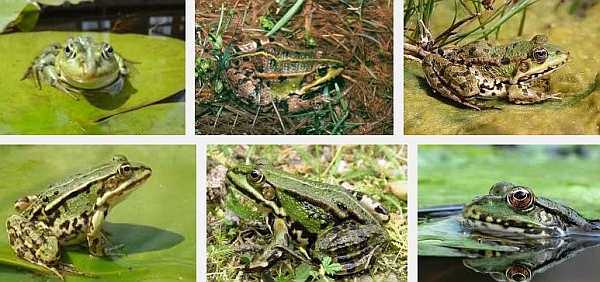
(Updated) Have you ever tasted frog meat? Whether it’s crispy fried, cooked as adobo, or in a tangy sinampalukang palaka, its texture and flavor often draw comparisons to chicken—tender, savory, and slightly gamey.
Frog meat is considered a delicacy not just in the Philippines, but also in Japan, China, Vietnam, Thailand, and parts of Europe and the U.S., where demand for exotic and lean protein sources is growing. With increasing interest in sustainable farming, frog farming is emerging as a viable agribusiness.
Let’s explore how to raise edible frogs for meat production.
Why Start a Frog Farming Business?
- High market demand in restaurants and wet markets
- Sustainable protein source with a small land footprint
- Fast reproduction and growth rate
- Low feed costs (frogs eat insects and small invertebrates)
- Export potential for frog legs to niche international markets
Common Edible Frog Species
The most commonly farmed frog in the Philippines is the “Palakang Bukid” (Rice Field Frog or Fejervarya cancrivora), known for its large muscular legs; thrives in rice paddies, wetlands, and brackish water.
Other edible species include:
| Common Name | Local Name | Scientific Name | Notes |
|---|---|---|---|
| Common Paddy Frog | (Small palaka) | Fejervarya limnocharis | Smaller, but still consumed; found in rice fields and lowland areas. |
| American Bullfrog | (Introduced species) | Rana catesbeiana | Non-native, introduced for farming; large and meaty but considered invasive. Occasionally raised in backyard frog farms. |
Site Selection & Farm Setup
Frogs need both water and land to thrive. Choose your location wisely:
Ideal Site Conditions:
- Near a water source (stream, spring, or irrigation)
- Clay soil to hold water, or cement-lined if soil is sandy
- Not prone to flooding
- Shaded area or provision for shade
- Fenced to prevent escape and predators
Infrastructure Setup
Nursery Ponds (For Tadpoles and Young Frogs):
- Size: 4m x 1m x 0.5m deep
- Cemented with coarse surface to grow algae/moss (natural food)
- Cover with banana leaves or climbing vines for shade
- Install inlet and outlet pipes for clean water circulation
- Include fine nylon mesh trays for egg hatching
Transition Cages (Metamorph to Juvenile Frogs):
- Size: 2m x 6m x 0.5m deep
- Accommodates ~4,000 juvenile frogs
- Slanted walls for leg muscle training
- Install feeding trays above water
- Add fluorescent lights at night to attract insects
Grow-out Ponds (Adult Rearing):
- Size: Flexible, ideally 50–100 sq. meters
- Water depth: 0.5–1 meter
- Population density: 1 frog per 2.5–3 sq. ft.
- Shaded with banana trees, bamboo, or artificial roofing
- Add bamboo rafts or banana leaf shelters for resting
- Place floating nylon trays or nets for resting and feeding
Breeding & Reproduction (Updated Practices)
Breeding Season: April to September
- Ideal water temp: 25–30°C
- Use selected breeder frogs (1 male:1 female ratio)
- Transfer breeders to the breeding pond 1–2 weeks before mating
- Eggs are fertilized externally on water surfaces or vegetation
- Each female lays 10,000–20,000 eggs per cycle
Modern Tip:
Use UV-sterilized water or biofiltration systems to reduce disease in breeding ponds.
Hatching & Tadpole Care
- Eggs hatch in 4–10 days
- Tadpoles resemble fish: no legs, with gills and a tail
- Feed them:
- Crushed algae
- Boiled vegetables
- Commercial fry mash (high-protein)
- Keep water oxygenated with aerators
- Maintain clean water with weekly partial changes
Feeding Frogs (Natural & Supplementary)
Live Feed Options:
- Termites, worms, crickets, snails
- Small fish, spiders, grasshoppers
- Maggots (from composting organic waste)
- Guppies and wrigglers (cultured onsite)
Supplementary Feed:
- Boiled chopped liver or fish
- Pelleted feed (protein-rich, 35–45%)
- Commercial amphibian feed (where available)
Feeding time: 4:00–7:00 PM when frogs are most active
Common Diseases & Prevention
| Disease | Cause | Symptoms | Prevention |
|---|---|---|---|
| Red Leg Disease | Bacteria (Aeromonas, Pseudomonas) | Swollen red legs, lethargy | Avoid overcrowding, ensure clean water. Daily water change (or use biofilter) |
| Fungal Infections | Poor hygiene, stress | White cotton-like growth | Use antifungal treatments, isolate infected. Use potassium permanganate or antifungal dips for control |
| Chytridiomycosis | Chytrid fungus | Skin sloughing, death | Disinfect water systems, quarantine new stock. |
| Leech & Parasites | Poor sanitation | Weight loss, sluggishness | Routine deworming, maintain good hygiene. Introduce guppies or tilapia to control parasites |
Maintenance Tips
- Clean water weekly or install slow-drip biofiltration
- Replace 25–50% of pond water weekly
- Regularly check for predators: cats, snakes, birds, lizards
- Install mosquito nets or wire mesh to secure the area
- Use solar or LED lights to attract insects and reduce electricity cost
Harvesting & Market Readiness
When to Harvest:
- Frogs reach market weight in 4–6 months
- Ideal size: 250–500g
- Select mature frogs with developed leg muscles
Post-Harvest:
- Slaughter humanely in compliance with local animal welfare laws
- Clean, gut, and chill at 4°C to maintain freshness
- Sell fresh or frozen in:
- Wet markets
- High-end restaurants
- Export channels (frog legs only)
Marketing & Business Tips
- Partner with chefs, exotic food restaurants, and hotels
- Tap online food delivery or pasabuy services
- Explore B2B contracts with local food processors
- Use social media to raise awareness and educate customers
- Comply with BFAR and FDA regulations for meat safety and export
Estimated Budget for Small-Scale Setup (2025 Rates, PHP)
| Item | Estimated Cost |
|---|---|
| Pond construction (cemented, 50 sqm) | ₱25,000–₱40,000 |
| Water system (pipes, inlet/outlet) | ₱5,000–₱10,000 |
| Breeding stock (100 pairs) | ₱7,000–₱10,000 |
| Live feed production setup | ₱3,000–₱5,000 |
| Lighting & shade materials | ₱2,000–₱4,000 |
| Misc. (nets, trays, fencing) | ₱5,000–₱8,000 |
| Total Initial Capital | ₱47,000–₱77,000 |
ROI in as fast as 6–8 months if sold directly to markets or restaurants.
Final Thoughts
Frog farming is no longer just a backyard hobby—it’s a legitimate agribusiness with growing local and international demand. With eco-friendly practices, proper sanitation, and a keen understanding of frog biology, you can turn this low-maintenance livestock into a high-margin income stream.



Hello,
i would like to learned raising Frogs, please send me details and information to start farming.
where can I buy breeders?
john
Frogs are susceptible to a bacterial disease called “red legs” due to overcrowding and contamination caused by pollution and lack of oxygen in the pond. Many of the young ones fall pretty to the disease. Setting up & care of a frog farm
Please advise me where to buy small frog for raise for meat.thanks…
This is a great article, I’m looking at raising frogs for meat production, and you gave me the guidelines I’m looking for.
Thanks!
Saan po makakabili ng Palakang Bukid, to start breeding? Please advise…..
Please provide details if you can supply more than 1000 small frog.
my email is Christ.Aranas1@gmail.com
taga saan ka pare bibili din ako
where to buy breeder frogs in the -philippines
I can suply frogs sir
i am interested to buy , please PM. Thanks.
please send information, im interested
Kindly advise your contact number and address. Interested po.
hello, do you know someone here in the philippines whos raising this frogs? i am much more willing to buy
Thanks Be To God.
where can I buy a small frog for raise for meat?