
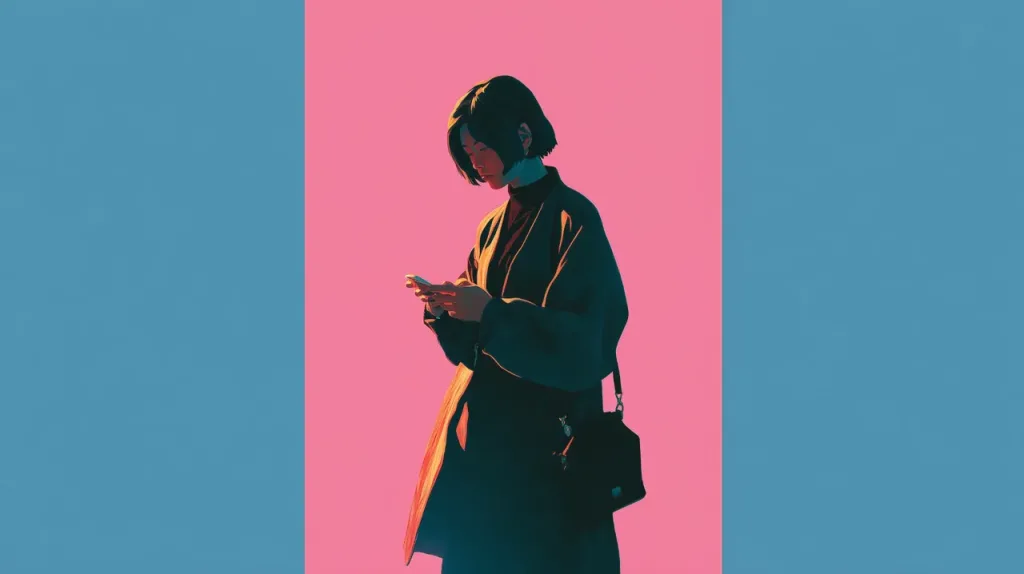
Romantic relationships have always been a reflection of their time. The way people meet, talk to each other, and fall in love changes as technology improves, life gets busier, and our needs change. We’ve come a long way: from waiting for weeks for a letter to arrive, to being able to talk to someone on the other side of the world straight away. This change isn’t just about technology, but a big change in how people communicate.
The Art of Waiting and First Steps in the Digital Age
Remember how love was described in old books. In the past, romance was all about waiting and having patience. Writing a letter needed solitude, concentration and real sincerity. People carefully chose their words, crossed out awkward phrases, and rewrote whole pages to convey the subtlest nuances of their emotions. The scent of perfume on thick paper, uneven handwriting, a drop of ink — all of this made the feelings real. It took weeks, and sometimes even months, to get a reply. There was something special about this slow pace: it gave feelings time to develop, and in your mind, the other person was idealised (made perfect).
With the telegraph and the telephone, people could stay in touch much more easily. Hearing the voice of a loved one through the crackling of the phone line already seemed like a true miracle. But the biggest change happened around the year 2000, when the internet started being used by everyone. Dial-up connections and the first instant messengers, such as ICQ, changed everything. Paper envelopes were replaced by emails, and long waits were replaced by a blinking cursor on a computer screen.
The first dating sites made it much easier for people to find a partner. In the past, people’s social circle was mostly limited to neighbours, co-workers, or random people they met at parties. Now, however, users had access to a huge database of profiles. People started filling out long profiles, sharing their hobbies, favourite music, and life goals. It was a time when people fell in love with someone’s personality, writing style and the ability to have deep conversations.
But over time, people started to get bored of it. Online texts became boring, short, and practical. Long letters were replaced by short social media posts, which lacked any subtlety or warmth. In today’s fast-paced world, we have forgotten how to wait and look for hidden meanings. People still need to connect with each other, but the tools we use to do this have completely changed. It became clear that text alone is not enough to feel a real connection and understand who exactly is on the other side of the screen.
From swipes to real emotions: how video is changing the game
The online dating industry has changed a lot because of the mobile internet. Apps that use swipe mechanics were released, turning the search for a partner into a fun but sometimes boring game. There were so many options that users felt overwhelmed. The photos were so edited that it was hard to tell who they were.
Using these apps to send text messages quickly became normal. Using clichéd phrases, asking the same questions, and waiting for ages between replies makes the conversation feel really awkward. To make the conversation more interesting, users started sending voice messages to each other. This was an important step towards bringing humanity back into the digital world. When we hear a voice, laugh, or even a slight hesitation in the way they talk, we unconsciously start to trust them more. Even so, voice messages are a form of communication where you don’t have to be in the same place as the person you’re talking to.
That is exactly why video chats are becoming the main way to meet people online. This tool solves the main problem of modern dating – a lack of genuine sincerity. When you look at someone in real time, you see them as they really are. You can’t change a nervous smile, hide an accidental gesture, or fake a sparkle in your eyes.
Among the many different platforms, random video services stand out, such as Camloo and CooMeet.chat. They offer a different way of communicating, where things happen by chance. On Camloo chat video you don’t need to spend hours looking at profiles or thinking of new ways to say hello. With one click, you can start a live conversation with someone anywhere in the world. This is as close as it gets to meeting someone in real life — for example, in a cosy café or on a busy street — but in the safe and comfortable setting of your own home.
The move to video has a lot of clear benefits for users:
- This will save you time. You can tell if you have “chemistry” with someone in just five minutes of a video call. This is something that could take weeks to figure out through text messaging.
- Safety and protection against scams: Video calls virtually stop people making fake accounts. You can immediately see that you’re talking to the person they say you are.
- Deep emotional connection: You can build trusting and strong relationships even before you meet someone in person. This is possible by reading non-verbal cues, facial expressions and body language.
- Overcoming language and cultural barriers: People understand real emotions without needing to be translated. A smile and a warm look can bring people from all over the world together better than automatic translation.
Video services make us bolder and more honest. It’s a unique challenge to a society that loves to buy things, where people are used to choosing partners like goods on a store shelf. When we turn on our webcams, we show our true selves: sometimes we look a little imperfect or shy, but we’re always sincere. In today’s world, being real is the most important thing in a relationship. People trust someone more if they are real, not if they seem perfect.
Looking Beyond the Horizon: The future of digital romance
What will happen with online dating in the next few decades? If we look at how technology has developed from paper letters to streaming video, we can see that it is always trying to make us feel as present in the experience as possible. We are on the brink of a new age where the line between the real world and the internet is becoming less clear.
Today, developers are already trying out virtual and augmented reality technologies. It is quite possible that soon, a first date will take place not in a browser window, but in a detailed virtual world. You can invite your date to walk through a digital copy of Paris, attend a virtual concert together, or even feel the touch of a hand thanks to special gloves that can sense touch. Spatial interfaces will allow people on different continents to feel as though they’re sitting at the same table.
Also, artificial intelligence will be very important in the future of dating. Algorithms will not only analyse what we like and subscribe to, but also read tiny facial expressions during video calls, listen to our voice and even our heart rate, to more accurately match us with potentially compatible partners. Smart assistants will be able to suggest things to talk about if there’s an awkward silence, or recommend the best places for a first real-life date based on what both people like.
But the basic nature of human relationships will not change. Not even the most sophisticated algorithm can create love. Technology is like a bridge that connects people. No matter how interfaces, screens, and data transmission methods change, people will continue to seek the same things online: understanding, warmth, and the opportunity to be themselves in the presence of another person.