
For business owners and commercial property managers, the roof is one of the most critical risk management assets on the building. It protects inventory, equipment, tenants, employees, and day‑to‑day operations from constant environmental stress. Unlike other building systems, roofing absorbs continuous exposure to sun, rain, hail, wind, and temperature swings that can quietly degrade performance over time.
Choosing a durable roofing system is not just about construction quality. It is about limiting downtime, controlling long‑term operating costs, and safeguarding the value of the property itself. Fortunately, modern roofing technology has advanced significantly, giving owners access to materials engineered to withstand severe conditions while delivering predictable performance across decades.
Impact‑Resistant Shingles as a Cost and Insurance Advantage
Impact‑resistant asphalt shingles have become a practical solution for light commercial buildings, mixed‑use properties, and multi‑family developments. These shingles are manufactured using modified asphalt blends reinforced with polymers that allow them to absorb impact energy rather than crack or shatter under stress.
The roofing industry measures impact resistance using a Class 1 through Class 4 system, with Class 4 offering the highest level of protection against hail and debris. For properties located in storm‑prone regions, this rating directly affects risk exposure.
From a financial standpoint, impact‑resistant shingles can also influence insurance costs. Many insurers offer reduced premiums or favorable terms for buildings protected by Class 4 roofing systems. Over time, these savings help offset the initial investment while reducing the likelihood of weather‑related claims and emergency repairs.
Metal Roofing Systems Built for Long‑Term Reliability
Metal roofing has evolved into a preferred option for many commercial and industrial applications due to its strength, longevity, and performance consistency. Standing seam metal roofs, in particular, are designed with concealed fasteners and interlocking vertical panels that resist wind uplift and water intrusion.
When properly installed, these systems perform well in high‑wind and severe weather environments, including coastal and hurricane‑exposed regions. The continuous panel design limits penetration points, which reduces leak risk and ongoing maintenance needs.
For business owners, metal roofing offers a strong lifecycle value proposition. While the upfront cost is higher than traditional asphalt, metal systems often last several decades with minimal intervention. This extended service life supports long‑term capital planning and reduces the frequency of disruptive roofing projects.
Concrete and Clay Tile for High‑Value Commercial Properties
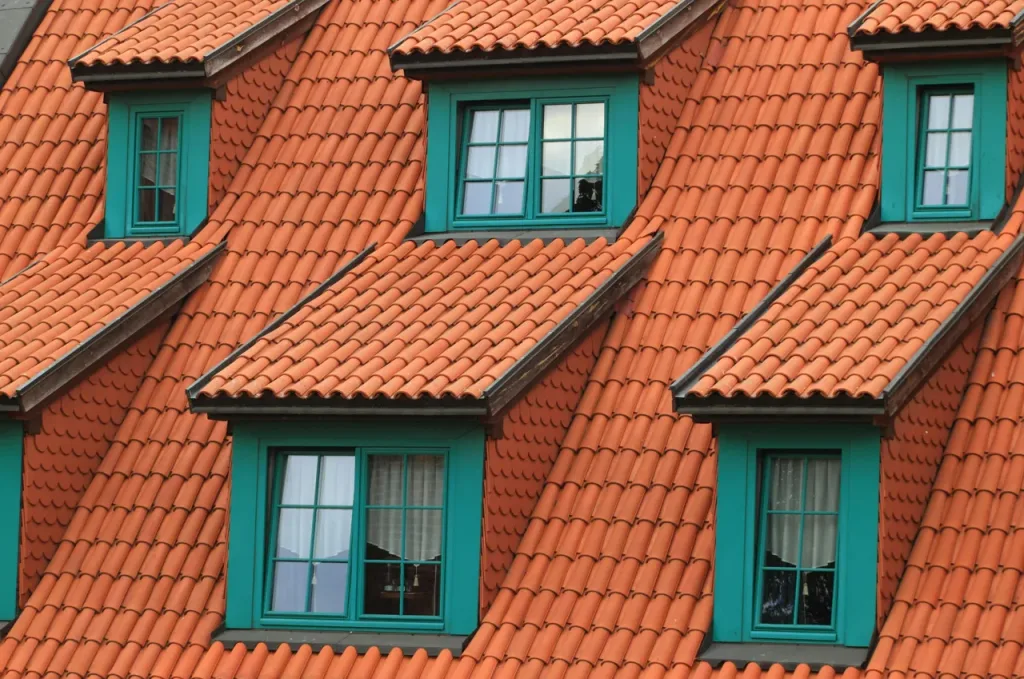
Concrete and clay tile roofing systems have demonstrated durability for centuries, particularly in regions exposed to heat, wind, and fire risk. These dense materials offer exceptional resistance to impact damage and carry the highest fire resistance ratings available.
Clay tiles are formed from natural materials and fired at extremely high temperatures, creating a hardness that resists fading, biological growth, and weathering. Concrete tiles provide similar benefits with added design flexibility.
Due to their weight, tile systems require structural evaluation and are best suited for buildings designed to support them. For high‑value commercial properties where longevity, resilience, and architectural presence matter, tile roofing delivers protection that extends well beyond typical roofing lifespans.
Synthetic Roofing Materials That Balance Performance and Efficiency
Synthetic roofing materials represent a growing category for commercial applications seeking durability without excessive structural load. Manufactured from polymer composites and recycled materials, synthetic slate and shake products replicate the appearance of natural roofing while outperforming them in impact resistance and flexibility.
Unlike natural slate, which can crack under foot traffic or hail, synthetic materials flex under impact and return to shape without permanent damage. Many premium synthetic systems achieve Class 4 impact ratings and perform reliably under high wind conditions.
From an operational standpoint, synthetic roofing reduces moisture absorption entirely, eliminating freeze thaw damage in colder climates. When roof replacement becomes necessary due to age or storm damage, these systems provide an opportunity to upgrade resilience without the cost or weight concerns associated with traditional tile or slate.
Built‑Up and Modified Bitumen for Low‑Slope Commercial Roofs
Low‑slope and flat commercial roofs require systems engineered for water management and redundancy. Built‑up roofing and modified bitumen membranes remain trusted solutions for warehouses, retail centers, and office buildings with complex roof geometries.
Built‑up roofing consists of multiple layers of bitumen and reinforcing fabric, creating a seamless waterproof membrane. This layered approach ensures that even if surface damage occurs, underlying layers continue to protect the structure.
Modified bitumen enhances this design by adding rubber or plastic modifiers to improve flexibility and temperature tolerance. These systems handle expansion and contraction more effectively, reducing cracking and premature failure.
For large commercial footprints, these roofing systems offer predictable performance and repairability, supporting long‑term operational continuity.
Maintenance, Inspection, and Asset Longevity
Even the most durable roofing systems benefit from regular inspection and maintenance. Proactive monitoring allows minor issues to be addressed before they escalate into costly failures that disrupt business operations.
High‑quality roofing materials reduce emergency repairs and stabilize maintenance budgets. This predictability is especially valuable for owners managing multiple properties or long‑term leases.
Durable systems also support energy efficiency improvements, drainage optimization, and insulation upgrades that further enhance building performance.
Conclusion
For business owners, roofing decisions are long‑term investments in protection, stability, and asset value. Systems designed to withstand severe conditions reduce operational risk, insurance exposure, and maintenance demands while extending service life.
Whether through impact‑resistant shingles, metal roofing, tile systems, advanced synthetics, or commercial membranes, prioritizing durability delivers measurable returns. A roof that does not back down when conditions worsen protects not just the structure beneath it, but the people, operations, and revenue that depend on it every day.