
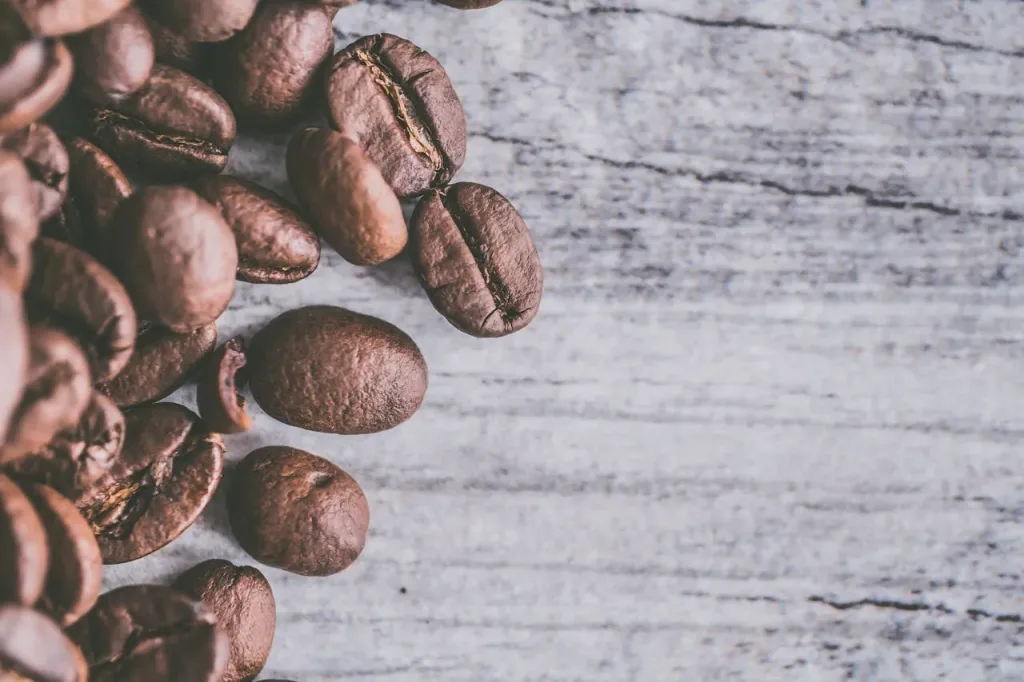
There’s something magical about the aroma of freshly roasted coffee beans, it’s captivated entrepreneurs for centuries and continues to draw people into this rewarding craft. Starting a coffee roasting business offers an incredible opportunity to turn your passion into profit, but it’s not just about loving coffee. This specialized venture combines artistry with solid business acumen, demanding careful planning, quality equipment, and a genuine understanding of what makes each coffee bean special. Whether you’re a coffee enthusiast eager to share your expertise or an entrepreneur seeking a niche market with serious potential, launching a roasting business requires thorough preparation and smart strategy.
Understanding the Coffee Roasting Market and Business Model
Before you sink money into expensive equipment and inventory, you’ll want to conduct comprehensive market research to identify who your customers are and where you’ll fit in the competitive landscape. The specialty coffee market has experienced remarkable growth over recent years, and here’s the exciting part, consumers are genuinely willing to pay premium prices for quality, ethically sourced beans and artisanal roasting techniques. You’ll need to make some key decisions early on: Will you focus on wholesale distribution to cafes and restaurants? Direct-to-consumer retail sales? Or perhaps a hybrid approach that captures both channels? Understanding your local demographics, what consumers actually want, and who you’re competing against will help you carve out a distinctive position in the market. Think about what’ll make you stand out, single-origin beans, custom blends, organic certifications, or fair-trade practices could become your signature.
Securing Proper Licensing, Permits, and Business Registration
Here’s where things get real, navigating the regulatory landscape is absolutely critical, and it’s more complex than most aspiring coffee roasters anticipate. You’ll need to register your business entity first, choosing between a sole proprietorship, LLC, or corporation based on your liability protection needs and tax considerations. Since coffee roasting involves processing consumable products, food handling permits, health department approvals, and commercial kitchen certifications typically aren’t optional. Fire safety inspections become particularly important in this business.
Choosing Equipment and Setting Up Your Roasting Facility
Selecting the right coffee roasting equipment represents one of your most significant upfront investments, and it’ll directly impact both product quality and how much you can produce. Coffee roasters come in all sizes, from small sample roasters that handle one to two pounds per batch up to commercial machines capable of roasting fifty pounds or more simultaneously. Your equipment choice should align with your projected sales volume, available capital, and where you see the business in three to five years. But the roaster itself is just the beginning.
Sourcing Quality Green Coffee Beans and Building Supplier Relationships
The foundation of any successful coffee roasting business lies in securing consistent access to high-quality green coffee beans from sources you can trust. When developing your product line, professionals who need to source diverse bean varieties and maintain consistent quality standards rely on reputable green coffee bean suppliers who understand the complexities of origin relationships and seasonal availability. Consider attending coffee industry trade shows, cupping events, and joining specialty coffee associations, these are goldmines for networking with suppliers and staying informed about crop conditions and market trends.
Understanding coffee bean grading systems, origin characteristics, and seasonal availability will help you make informed purchasing decisions and create product offerings that actually resonate with customers. You’ll face a classic business decision: purchase smaller quantities at higher prices for greater variety, or commit to larger bulk orders for better pricing but less flexibility? Storing green beans properly matters more than you might think, cool, dry conditions preserve their quality and extend shelf life, typically giving you twelve to eighteen months of optimal freshness. Building strong supplier partnerships pays dividends over time, ensuring you’ll have priority access during supply shortages and potential opportunities for exclusive bean varieties that set your product line apart.
Developing Your Roasting Skills and Creating Signature Profiles
Mastering the art and science of coffee roasting doesn’t happen overnight, it requires dedication, consistent practice, and continuous learning to develop profiles that showcase each bean’s unique characteristics. Understanding how different roast levels affect flavor, acidity, body, and aroma allows you to create products that appeal to diverse consumer preferences, from light city roasts to bold Italian styles. You’ll need to learn how bean density, moisture content, and origin characteristics influence roasting time and temperature curves for optimal results. Maintaining detailed roasting logs might seem tedious, but documenting time, temperature, environmental conditions, and sensory evaluation results helps you achieve consistency and troubleshoot quality issues when they arise.
Marketing Your Coffee Roasting Business and Building a Customer Base
Creating a compelling brand identity and implementing effective marketing strategies are absolutely crucial for attracting customers and building something sustainable. Developing an authentic brand story that communicates your values, sourcing practices, and roasting philosophy helps customers connect emotionally with your products, and that connection drives loyalty. Social media platforms provide cost-effective channels for showcasing your roasting process, sharing coffee education content, and engaging directly with coffee enthusiasts who might become your biggest advocates. Consider offering free samples to local cafes, restaurants, and specialty food stores to introduce your products and secure those valuable wholesale accounts.
Conclusion
Starting a coffee roasting business from scratch requires substantial planning, investment, and dedication, but the rewards of building a thriving specialty coffee brand genuinely make the effort worthwhile. Success depends on combining technical roasting expertise with sound business practices, quality sourcing, and effective marketing that resonates with your target audience. By carefully navigating the regulatory requirements, investing in appropriate equipment, developing distinctive roast profiles, and building strong supplier and customer relationships, you can establish a sustainable coffee roasting operation that stands the test of time. The specialty coffee industry continues to expand, offering real opportunities for passionate roasters who can deliver consistent quality and authentic experiences.