
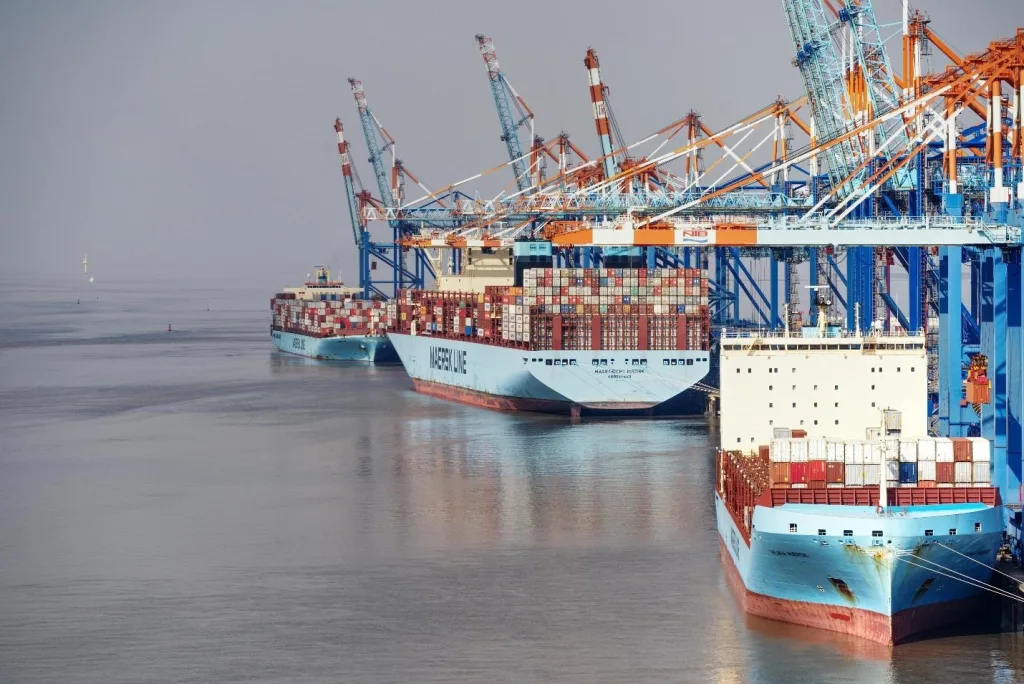
Offshore operations depend on reliable logistics to function safely and efficiently. From offshore energy platforms to subsea construction projects, the timely movement of materials is critical to operational success. Offshore support vessels play a central role in transporting equipment, supplies, and specialized cargo across challenging marine environments. Understanding how these vessels handle cargo reveals the complexity, planning, and engineering behind modern offshore logistics.
Cargo Planning and Load Management
Handling cargo offshore begins long before a vessel leaves port. Detailed planning ensures cargo weight, dimensions, and delivery sequence align with project requirements. Items are categorized based on urgency, fragility, and destination, allowing crews to stage cargo efficiently. Proper weight distribution is essential to maintaining vessel stability, particularly in rough seas.
A single offshore support vessel may carry everything from drilling equipment and pipes to chemicals and provisions. Load plans account for deck limits, center of gravity, and environmental conditions. This careful preparation reduces handling risks and ensures that cargo can be deployed quickly upon arrival.
Specialized Equipment for Safe Transport
Modern vessels are equipped with advanced systems designed specifically for offshore cargo handling. Heavy-duty cranes, hydraulic winches, and roll-on/roll-off configurations allow crews to manage oversized or heavy loads with precision. These systems are engineered to operate safely even in adverse weather conditions.
Dynamic positioning systems keep the vessel stationary during cargo transfers, minimizing movement that could damage equipment or endanger personnel. Combined with reinforced decks and modular storage systems, these technologies allow vessels to handle diverse cargo types efficiently.
Onboard Procedures and Crew Coordination
Cargo handling offshore requires strict operational procedures. Crews follow standardized workflows to secure, monitor, and deploy cargo safely. Communication between deck officers, crane operators, and shore teams is constant, ensuring coordination throughout the process.
Safety protocols govern every step, from lifting and securing cargo to offloading at offshore installations. Regular training ensures crew members can respond effectively to unexpected challenges such as sudden weather changes or shifting loads.
Adapting to Environmental Conditions
Offshore environments are unpredictable, and vessels must adapt to changing sea states and weather patterns. Cargo handling schedules may be adjusted to take advantage of calmer conditions. Advanced forecasting tools help operators plan transfers when risks are lowest.
Equipment is designed to withstand corrosion, saltwater exposure, and mechanical strain. By combining robust engineering with real-time decision-making, offshore logistics operations maintain efficiency while prioritizing safety.
Conclusion
Handling cargo offshore requires careful planning, specialized equipment, and skilled crews working in demanding conditions. The systems and procedures behind these operations ensure that vital supplies reach their destinations safely and on time. As offshore industries continue to evolve, cargo handling capabilities will remain a cornerstone of operational reliability and success.