
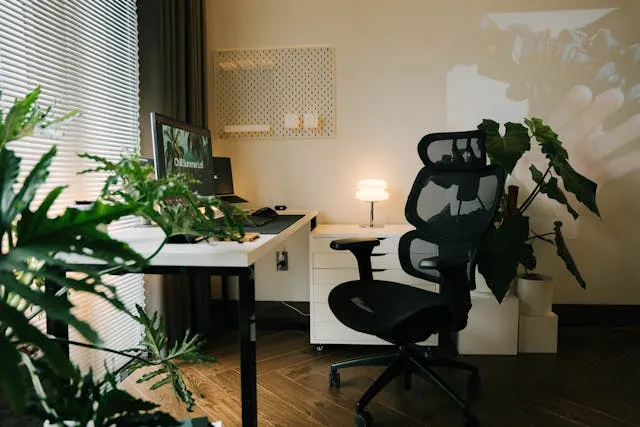
Building a new office space is one of the most significant investments a company will ever make. It’s not just about creating a place where people show up to work, it’s about shaping an environment that influences everything from daily productivity to how clients perceive your brand. Whether you’re breaking ground on a brand-new headquarters or transforming an existing structure into something extraordinary, the journey involves careful planning and countless decisions that’ll impact your business for years to come. What separates a merely functional workspace from a truly exceptional office? It comes down to how well you weave together aesthetic appeal, operational efficiency, employee wellbeing, and the flexibility to adapt as your company evolves.
Understanding Your Space Requirements and Workflow
Before you sign a single contract or break ground, you’ll need to get crystal clear on your actual space requirements. Start by analyzing your current headcount and where you expect to be in three to five years, but don’t just count bodies, think about how your teams actually work. Some departments thrive on collaboration and need open spaces where ideas can flow freely, while others require quiet zones for deep, focused work. Industry standards typically suggest somewhere between 150 and 250 square feet per employee, though this varies considerably depending on whether you’re leaning toward an open-plan layout, traditional cubicles, or private offices.
Prioritizing Location and Accessibility
Where you build your office matters tremendously, and that decision will ripple through your organization for decades. Location impacts employee satisfaction in ways that aren’t always obvious at first, it affects commute times, daily stress levels, and even whether top candidates accept your job offers. Think about accessibility from multiple angles: How close are you to public transportation? Is parking abundant enough, or will employees circle the block every morning? Can team members reasonably commute from various residential areas throughout your region? The surrounding neighborhood matters more than you might think. Employees increasingly value having restaurants, coffee shops, gyms, and retail options within walking distance, these amenities aren’t just nice perks, they’re becoming expected features that support work-life balance.
Designing for Flexibility and Modern Work Styles
Today’s office needs to roll with the punches as work styles continue evolving in ways we couldn’t have predicted even five years ago. The blend of remote work, hybrid schedules, and in-office collaboration has fundamentally changed what employees need from physical workspaces. Flexible layouts are no longer optional, think movable partitions, modular furniture, and multipurpose spaces that let you reconfigure work areas as team sizes shift and methodologies evolve without requiring major (and expensive) renovations. Technology integration deserves serious attention from day one. You’ll want abundant power outlets, USB charging stations scattered throughout the space, wireless access points positioned strategically, and infrastructure that supports seamless video conferencing in rooms of all sizes. Consider creating a variety of workspace types that give employees real choices: traditional desks for focused individual work, standing workstations for those who prefer them, collaboration pods for quick team huddles, quiet focus rooms for deep thinking, and casual seating areas where creativity flows differently. When planning office construction, professionals who need to coordinate these complex building projects often work with firms experienced in design build in Austin that can integrate architectural vision with construction expertise from the initial concept through completion. Natural light shouldn’t be an afterthought, maximize it through thoughtful window placement and interior glass walls that let daylight penetrate deep into the building while still maintaining privacy for sensitive conversations. Sustainable design elements including energy-efficient HVAC systems, LED lighting with smart controls, and environmentally responsible materials aren’t just good for the planet, they reduce long-term operational costs and genuinely improve how employees feel during their workday.
Investing in Employee Comfort and Wellbeing
The connection between physical environment and how people feel, perform, and stay healthy is backed by mountains of research, making comfort and wellbeing investments absolutely essential. Ergonomic furniture might seem like a luxury until you consider the cost of workplace injuries and the productivity drain of chronic discomfort. Adjustable-height desks, chairs with proper lumbar support, and monitor arms that enable correct screen positioning help prevent problems before they start and keep energy levels higher throughout long work sessions. Air quality has a surprisingly powerful impact on cognitive function and overall health, so investing in high-quality HVAC systems with proper filtration, adequate ventilation rates, and humidity control creates an environment where people think more clearly and call in sick less often.
Incorporating Brand Identity and Culture
Your office space tells a story about who you are as a company, whether you’re intentionally crafting that narrative or not. It’s a physical manifestation of your brand, values, and culture that creates daily impressions on both employees and visitors. Color schemes, materials, and design styles should align with brand guidelines while creating an atmosphere that truly reflects your company’s personality, whether that’s creative and energetic, sophisticated and professional, or innovative and cutting-edge. Display areas for company achievements, product showcases, or standout client work help tell your organization’s story in tangible ways that create pride among team members and leave lasting impressions on visitors.
Planning for Technology Infrastructure and Security
Modern offices run on technology, and robust infrastructure isn’t negotiable, it’s the foundation that supports everything else. Structured cabling systems should be planned with substantial excess capacity beyond what you need today, because bandwidth requirements consistently increase and running additional cables through completed walls later is both expensive and disruptive. Network security extends beyond digital firewalls into physical territory, badge access systems, security cameras, visitor management protocols, and secure server rooms with appropriate climate control and backup power systems protect your data and your people. Think about unified communication systems that integrate phone, video conferencing, and messaging platforms seamlessly, ensuring conference rooms of various sizes have appropriate technology for both in, person participants and remote team members joining virtually.
Conclusion
Creating the perfect office building means juggling numerous competing priorities while maintaining a clear vision of how the space will support your organization’s mission and growth trajectory. Success depends on thorough planning that looks beyond immediate needs to consider long, term flexibility, that balances employee wellbeing with operational efficiency, and that achieves aesthetic appeal without sacrificing functional requirements. When companies approach office construction as a strategic investment rather than simply a facilities project, they create environments that genuinely attract talent, impress clients, and enable teams to perform at their highest levels. The process demands patience, expertise, and willingness to invest appropriately in quality materials, thoughtful design, and future-ready infrastructure that’ll serve your organization effectively for decades to come.