
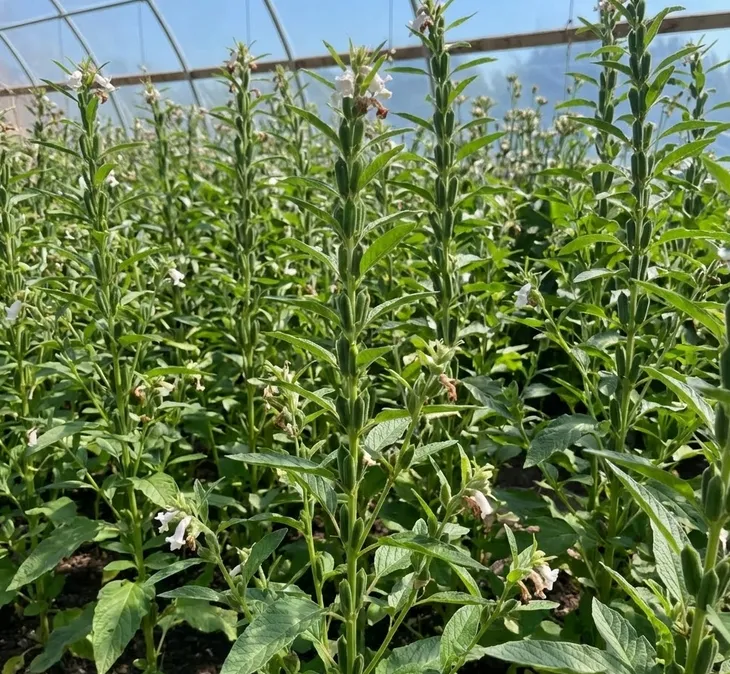
I’ve grown a lot of crops over the years—corn, soybeans, specialty grains, and small experimental plots that didn’t always work out. Black sesame, however, surprised me. It’s resilient, low-input once established, and increasingly valuable as American demand for natural, functional foods continues to rise.
If you’re considering growing black sesame seeds in the U.S., this guide walks you through the entire process—from soil prep to harvest and processing—based on real field experience, not theory.
Why Grow Black Sesame?
Black sesame (Sesamum indicum) has been cultivated for thousands of years, but it’s still relatively uncommon in U.S. agriculture. That’s changing fast.
From a grower’s perspective, black sesame makes sense because:
- It tolerates heat and drought better than many row crops
- It requires minimal fertilizer
- It fits well into crop rotation systems
- Market demand is increasing for food, wellness, and specialty products
Unlike white sesame, black sesame commands a premium price due to its use in health-focused foods, beverages, and traditional recipes.
Climate and Growing Conditions
Temperature
Black sesame is a warm-season crop. In my experience, it performs best when:
- Soil temperatures reach 70°F (21°C) or higher
- Daytime temperatures stay between 80–100°F
This makes it well-suited for:
- Southern and Southwestern states
- Parts of California
- Warm summer regions of the Midwest with proper timing
Rainfall and Water
Sesame does not like wet feet.
- Well-drained soil is essential
- Once established, it handles dry conditions better than excess moisture
- Overwatering increases disease risk and weak stems
Soil Preparation
Black sesame isn’t picky, but it does have preferences.
Ideal Soil
- Sandy loam or loam
- pH between 5.5 and 7.5
- Excellent drainage
Field Prep Tips (From Experience)
- Avoid fields with a history of standing water
- Light tillage works better than heavy compaction
- Too much nitrogen creates tall plants that lodge easily
I’ve had better results keeping fertility moderate, not aggressive.
Planting Black Sesame Seeds
When to Plant
Plant only after:
- All frost danger has passed
- Soil has warmed consistently
In most U.S. regions, that’s late spring to early summer.
Seeding Rate and Spacing
- Seed depth: ¼ to ½ inch
- Row spacing: 12–30 inches
- Thin plants to 6–12 inches apart
Black sesame seeds are small, so shallow planting is critical.
Crop Management and Growth
Germination and Early Growth
Sesame emerges quickly in warm soil, but early growth is slow. This is where most growers get nervous.
My advice: Be patient.
Once established, the plants accelerate rapidly.
Weed Control
- Early weed pressure is the biggest challenge
- Mechanical cultivation works well
- After canopy closure, sesame competes strongly
Chemical weed control options are limited, so planning matters.
Fertilization
Black sesame is not a heavy feeder.
From my fields:
- Excess nitrogen leads to weak stems
- A light pre-plant application is usually enough
- Potassium supports seed development if soils are deficient
Soil testing before planting saves money and prevents problems.
Pests and Diseases
One advantage of black sesame is low pest pressure.
Occasional issues:
- Aphids (rarely severe)
- Leaf spot in overly wet conditions
Most seasons, I’ve had no need for pesticide intervention, which makes sesame appealing for low-input and specialty markets.
Flowering and Seed Development
Black sesame produces tubular flowers that develop into seed capsules. Each capsule contains dozens of seeds.
Here’s a key difference from many crops:
- Sesame capsules shatter when fully mature
That fact determines how and when you harvest.
Harvesting Black Sesame
Timing Is Everything
Harvest too early, and seeds are immature. Too late, and they fall to the ground.
What I look for:
- Lower leaves yellowing
- Capsules turning brown
- Upper capsules still slightly green
Harvest Method
Traditionally, sesame is:
- Cut by hand or swather
- Bundled and dried upright
- Threshed after drying
On small U.S. farms, modified equipment or manual harvesting is common.
Drying and Processing
Drying
- Dry plants in a shaded, well-ventilated area
- Avoid direct rain or heavy moisture
- Proper drying prevents mold and bitterness
Threshing
Once dry:
- Shake or beat plants to release seeds
- Screen to remove debris
- Use air flow or winnowing to clean seeds
Storage
Store clean, dry black sesame seeds in:
- Airtight containers
- Cool, dry conditions
Properly stored seeds maintain quality for months.
Processing Black Sesame for Market
Depending on your target market, black sesame can be sold as:
- Whole seeds
- Toasted seeds
- Ground paste
- Ingredient for baked goods and beverages
Food-grade processing requires strict cleanliness and labeling compliance, especially if selling direct to consumers.
Yield Expectations
Yields vary widely based on:
- Climate
- Plant density
- Harvest timing
From my experience:
- Small-scale yields are modest
- Profitability depends on market price, not volume
Black sesame is best treated as a specialty crop, not a bulk commodity.
Is Black Sesame Worth Growing?
If you’re looking for:
- A low-input warm-season crop
- A specialty product with growing demand
- Something that fits small to mid-scale operations
Then yes—black sesame is worth serious consideration.
It rewards patience, timing, and careful harvest more than brute force farming.
Final Thoughts from the Field
Black sesame isn’t a “set it and forget it” crop, but it’s also not difficult. Once you understand its growth habits and harvest timing, it becomes predictable and reliable.
As consumer interest in black sesame continues to rise across food, wellness, and functional nutrition markets, growers who learn it now will be ahead of the curve.
If you farm smart and market well, black sesame can be a quiet but profitable addition to your operation.
FAQ: Growing Black Sesame Seeds
1. Is black sesame easy to grow in the United States?
Yes. Black sesame is relatively easy to grow in many parts of the United States, especially in warm regions with long summers. Once established, the plant is drought-tolerant, low-maintenance, and resistant to most pests. Success depends mainly on warm soil, good drainage, and proper harvest timing.
2. What climate is best for growing black sesame seeds?
Black sesame grows best in warm, frost-free climates with temperatures between 75°F and 95°F. It requires a long growing season of at least 90 to 120 days and performs well in states such as Texas, California, Arizona, parts of the Southeast, and warm Midwestern regions.
3. How long does black sesame take to grow and harvest?
Black sesame typically takes 90 to 120 days from planting to harvest. Germination occurs within 7 to 14 days, followed by steady vegetative growth, flowering, and seed pod formation. Harvest timing is critical because mature pods can shatter if left too long in the field.
4. Does black sesame require a lot of water or fertilizer?
No. Black sesame prefers moderate watering and does not tolerate waterlogged soil. Once established, it is drought-tolerant and requires minimal irrigation. Fertilizer needs are low; excessive nitrogen can reduce seed production and promote leafy growth instead of seed formation.
5. What type of soil is best for black sesame cultivation?
Well-drained, sandy loam or loamy soil with a pH between 5.5 and 7.5 is ideal for black sesame. Heavy clay soils should be amended to improve drainage. Good soil aeration is more important than high fertility for successful sesame production.
6. When is the best time to harvest black sesame seeds?
Harvest black sesame when the lower seed pods turn brown and begin to dry, but before they fully split open. Many farmers cut the plants early and allow them to dry upside down in bundles to prevent seed loss from pod shattering.
7. Why do black sesame pods shatter, and how do farmers manage it?
Black sesame pods naturally split open when fully mature to release seeds. Farmers manage this by harvesting slightly early and drying the plants off-field. This traditional method reduces seed loss and preserves quality, especially in small-scale and specialty production.
8. How are black sesame seeds dried and processed after harvest?
After harvest, plants are air-dried until pods open naturally. Seeds are then shaken or threshed out, cleaned using screens or air flow, and further dried to safe moisture levels. Proper drying is essential to prevent mold and ensure long-term storage quality.
9. Can black sesame be grown on small farms or homesteads?
Yes. Black sesame is well-suited for small farms, market gardens, and homesteads. It requires minimal inputs, grows well in small plots, and can be harvested manually. Many growers successfully sell black sesame as a high-value specialty crop.
10. Is black sesame profitable as a specialty crop in the U.S.?
Black sesame can be profitable due to strong demand in health foods, ethnic cuisine, and specialty markets. Its higher market value compared to white sesame, combined with low production costs, makes it an attractive option for diversified and small-scale farmers.