
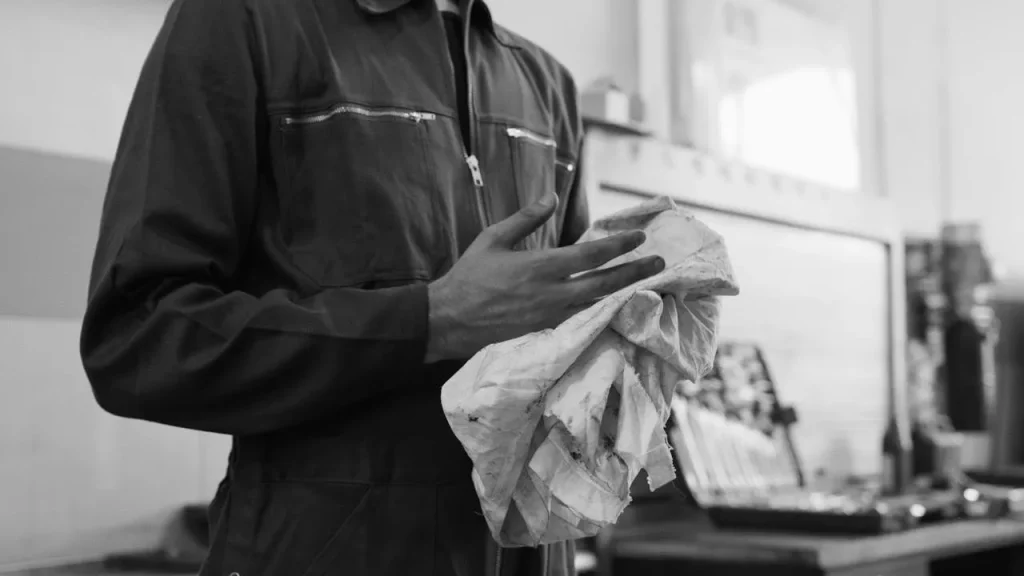
In manufacturing environments, machine cleaning is a necessary but often underestimated aspect of operational efficiency. Whether you’re working with injection molding equipment, extrusion lines, or other industrial machinery, the cost of cleaning can quickly escalate if not managed properly. These expenses aren’t just tied to materials—they also include downtime, labor, and lost productivity. Avoiding common pitfalls can help companies streamline their cleaning processes and reduce unnecessary spending.
Understanding where cleaning costs tend to spike is the first step toward controlling them. Below are six frequent mistakes that contribute to inflated machine cleaning expenses and how to address them effectively.
Using Ineffective Cleaning Materials
One of the most costly errors is relying on cleaning agents or materials that aren’t suited to the specific machine or residue type. Generic solutions may seem economical upfront, but they often require more time, effort, and volume to achieve the desired result. This not only increases material costs but also extends downtime.
For example, in plastics processing, using outdated or low-grade purging materials can lead to incomplete removal of contaminants, requiring multiple cycles. Investing in high-performance solutions like commercial purging compounds can significantly reduce cleaning time and material waste. These compounds are engineered to target specific polymers and residues, making them more efficient and cost-effective in the long run.
Neglecting Preventive Maintenance
Waiting until a machine shows signs of contamination or performance issues before initiating cleaning is a reactive approach that often leads to higher costs. Residue buildup can affect product quality, cause mechanical wear, and lead to unplanned shutdowns—all of which are expensive to resolve.
Implementing a preventive maintenance schedule that includes regular cleaning intervals helps avoid these issues. By addressing buildup before it becomes problematic, companies can reduce the frequency and intensity of deep cleans, preserve equipment longevity, and maintain consistent output quality.
Overlooking Operator Training
Even the best cleaning materials and schedules won’t be effective if operators aren’t properly trained. Inadequate training can result in improper cleaning techniques, misuse of products, and longer-than-necessary downtime. It can also lead to safety hazards and damage to sensitive machine components.
Providing thorough, ongoing training ensures that staff understand the correct procedures, tools, and safety protocols. Well-trained operators can identify early signs of contamination, execute cleaning tasks efficiently, and minimize disruption to production schedules.
Failing to Document Cleaning Procedures
Without standardized documentation, cleaning practices can vary widely between shifts, teams, or locations. This inconsistency often leads to redundant efforts, missed steps, and inefficient use of resources. It also makes it difficult to track performance or identify areas for improvement.
Developing and maintaining clear cleaning protocols helps ensure consistency and accountability. These documents should outline step-by-step instructions, recommended materials, safety guidelines, and expected outcomes. When everyone follows the same process, cleaning becomes more predictable and cost-effective.
Ignoring Equipment-Specific Needs
Not all machines are created equal, and treating them as such can be a costly mistake. Different equipment types, materials processed, and operating conditions require tailored cleaning approaches. Using a one-size-fits-all method can lead to incomplete cleaning, increased wear, or even damage.
Manufacturers should consult equipment manuals, supplier recommendations, and industry best practices to develop cleaning strategies that align with each machine’s unique requirements. Customizing the approach ensures optimal results and reduces the risk of costly repairs or replacements.
Underestimating the Impact of Downtime
Every minute a machine is offline for cleaning represents lost production time. While cleaning is essential, failing to account for its impact on scheduling and output can skew cost assessments. Companies often underestimate how much downtime contributes to overall cleaning expenses.
To mitigate this, cleaning should be integrated into production planning. Scheduling cleans during shift changes, low-demand periods, or maintenance windows can help minimize disruption. Additionally, investing in faster, more efficient cleaning solutions can reduce the time machines spend offline, preserving productivity and revenue.
Conclusion
Machine cleaning is a critical component of operational efficiency, but it’s also a common source of hidden costs. By avoiding ineffective materials, neglectful maintenance, poor training, and inconsistent procedures, companies can significantly reduce their cleaning expenses. Tailoring strategies to specific equipment and integrating cleaning into broader production planning further enhances cost control. With the right approach, machine cleaning becomes not just a necessity—but a strategic advantage.